




Dec . 13, 2025 03:40 Back to list
Temporary Steam Boiler Solutions – Portable, Efficient, Reliable
Why a Temporary Steam Boiler is an Industrial Game-Changer
Having spent more than a decade in the industrial equipment sector, I’ve seen plenty of steam boiler setups—from massive permanent installations that hum steadily day after day, to the more nimble, portable temporary steam boiler units that keep factories and plants running when things get a little unpredictable. Frankly, I find these temporary boilers fascinating because they offer a unique blend of flexibility and power, often overlooked in the rush towards permanent infrastructure.
If you’ve ever faced an unexpected shutdown or needed extra steam for a project phase, you’ll appreciate the value these units bring. The old adage “downtime costs money” couldn’t be truer. Temporary boilers fill the gaps with minimal fuss, getting backpressure where it’s needed without the time and expense of permanent installation. Oddly enough, some of the best designs balance rugged durability with surprisingly quick setup times.
Design and Material Considerations
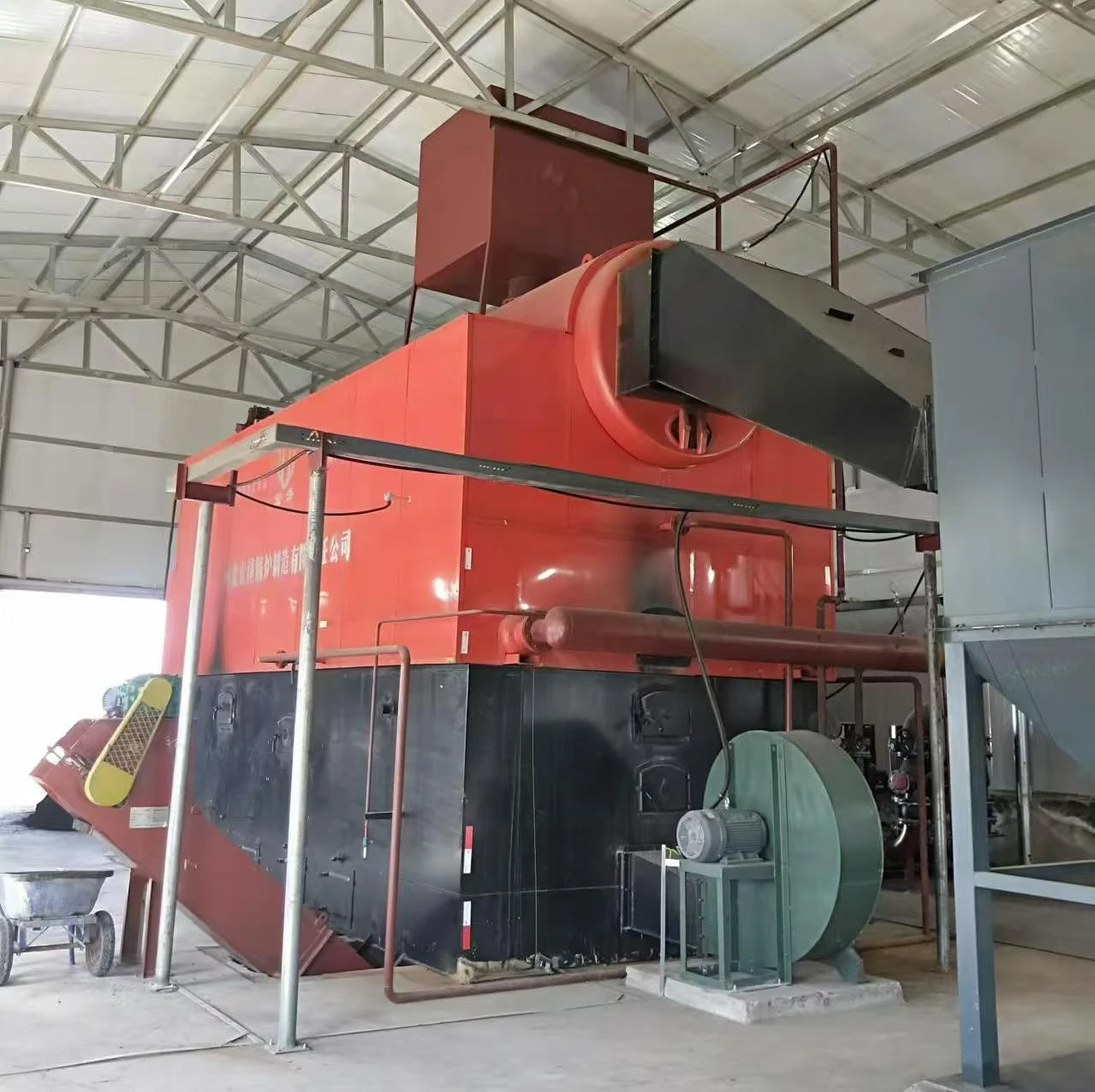
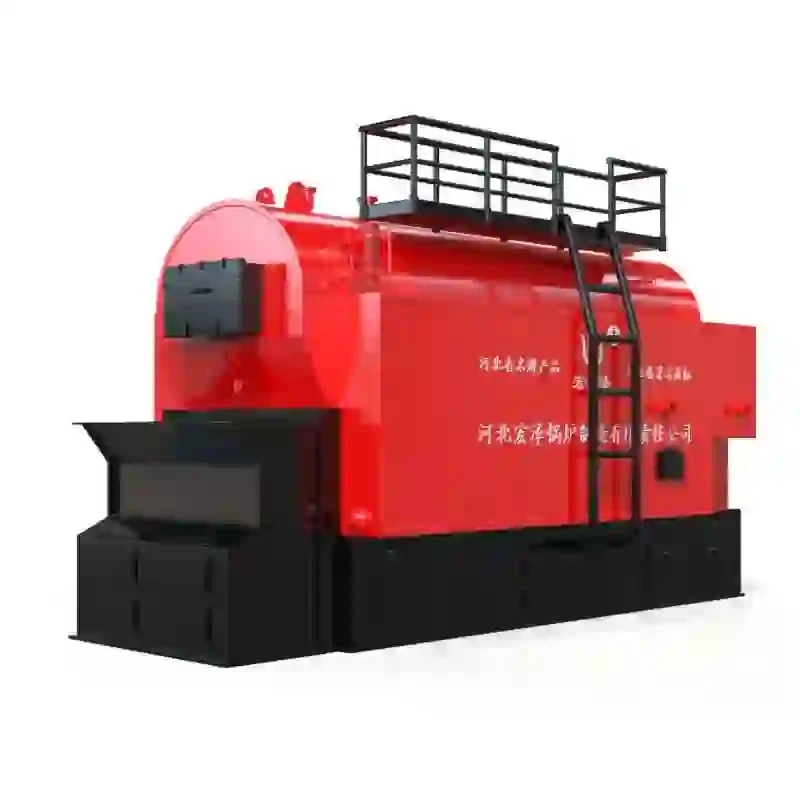
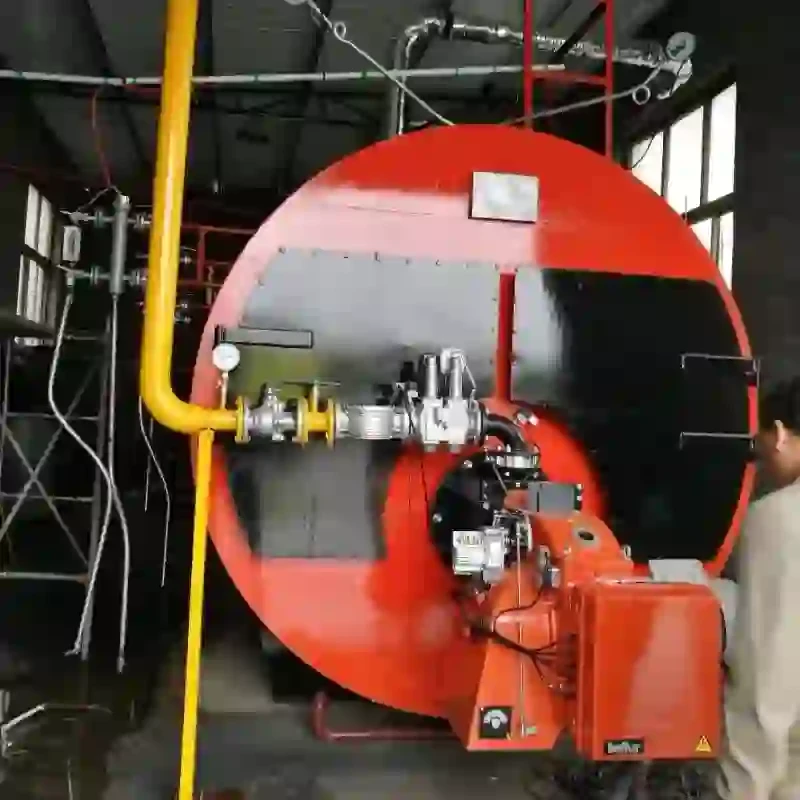
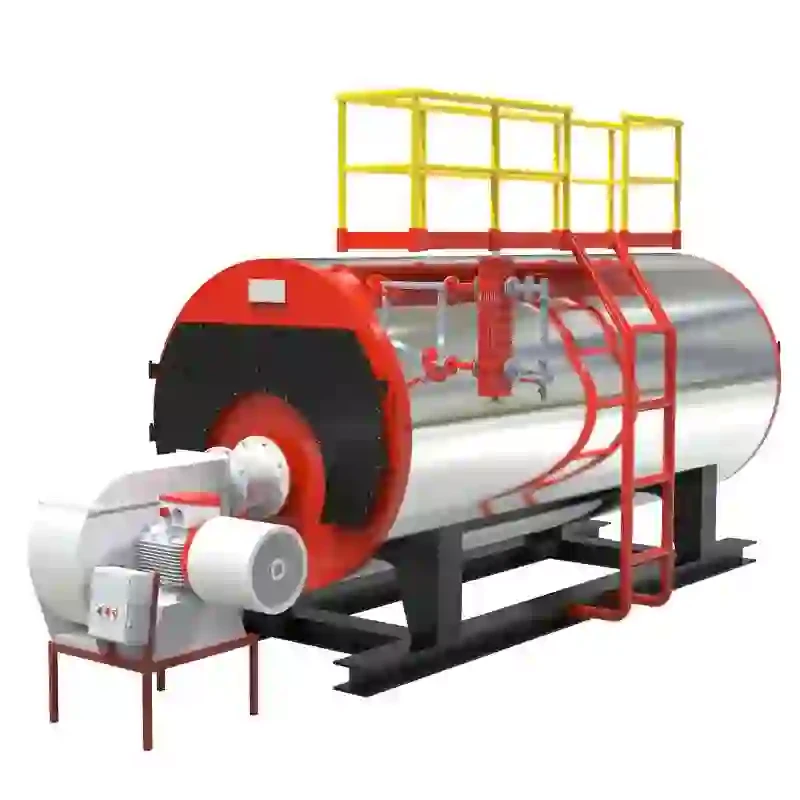
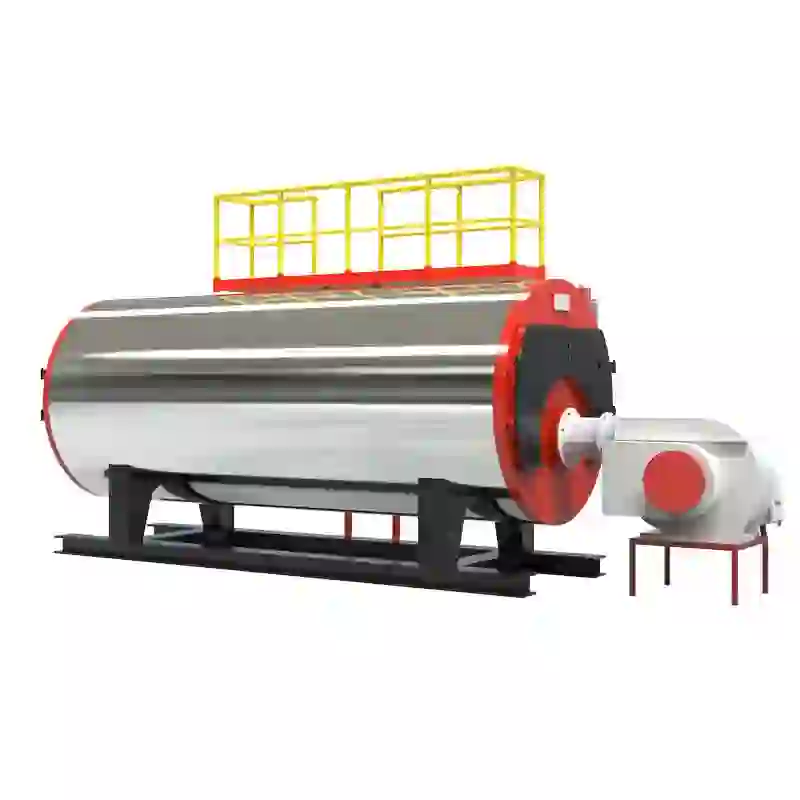
In terms of construction, these boilers usually lean towards a compact water-tube or fire-tube design depending on output requirements. I’ve noticed most contemporary models use alloy steels that tolerate high temperatures and resist corrosion. This is critical since their service might include harsh outdoor sites or even emergency flood-prone areas. Many engineers mention that the heat exchanger’s quality really makes or breaks the unit’s efficiency and longevity.
It’s also worth noting the integrated safety systems. With boilers—temporary or not—safety isn’t just a feature; it’s the foundation. Pressure relief valves, low-water cutoffs, and automated shutdown controls come standard, reducing human error risks, especially on those busy, fast-moving construction or maintenance sites where these boilers often shine.
Typical Specifications of a Temporary Steam Boiler
| Parameter | Typical Value |
|---|---|
| Steam Output Capacity | 1,000 to 10,000 kg/hr |
| Operating Pressure | 7 to 20 bar (gauge) |
| Fuel Type | Diesel, Natural Gas, or LPG |
| Dimensions (Typical Unit) | 4m x 2m x 2.5m (approximate) |
| Weight | 2,200 kg to 5,000 kg |
| Fuel Consumption | 140 to 600 kg/hr (varies by fuel & load) |
Choosing the Right Vendor: A Comparison
From my experience, vendor selection can be as crucial as the equipment itself. You want a partner who understands the nuances—transport logistics, local support, quick turnaround, and after-sales service. Here's a snapshot comparing three popular providers for temporary steam boilers on key criteria:
| Feature | Vendor A | Vendor B | Vendor C |
|---|---|---|---|
| Delivery Time | 2-3 Weeks | 1-2 Weeks | 4-5 Weeks |
| Customization Options | High | Medium | Low |
| After-Sales Support | Global | Regional | Limited |
| Price Range | $$$ | $$ | $ |
Real-World Application: A Quick Anecdote
I recall working with a client whose main boiler unexpectedly went offline during a critical winter period. The factory was tasked with continuing operations without delay, so they leased a temporary steam boiler unit that was delivered within days. The setup team had it running in under 48 hours, minimizing impact on production. The client noted the system's reliability and ease of integration were “better than expected,” especially considering how stressful the situation was. That kind of rapid relief, supported by industry-proven technology, is exactly where these units shine.
In real terms, if you are in industries like food processing, pharmaceuticals, or textiles, having a trusted temporary steam boiler on standby can save you weeks—if not months—of downtime.
Ultimately, when reliability and flexibility are paramount, investing in a temporary steam boiler isn’t just a nice-to-have; it’s a strategic move. Whether for scheduled maintenance, unexpected emergencies, or project surges, these boilers keep steam (and business) flowing without unnecessary delays.
So, if you’re facing the question of temporary steam supplies, do your homework on specs and vendors, and consider how fast, adaptable, and service-ready your equipment needs to be. That approach has served many in my circle quite well.
References:
1. Industrial Boiler Engineering Handbook, 2022 Edition
2. M. González, "Field Testing of Portable Steam Boilers," Journal of Energy Equipment, 2021
3. HZ Steam Boiler Official Website
-
Industrial Natural Gas Steam Boiler High Efficiency System Guide
NewsApr.16,2026
-
Maximize Industrial Productivity with High Efficiency Gas Steam Boiler
NewsApr.09,2026
-
Comprehensive Guide to Industrial Steam Heater Systems and Applications
NewsApr.07,2026
-
Comprehensive Guide to Low Pressure Steam Boilers and Their Applications
NewsApr.04,2026
-
Understanding High Pressure Steam Boiler Technology and Industrial Applications
NewsMar.31,2026
-
Comprehensive Guide to High Efficiency Steam Boiler Systems and Applications
NewsMar.28,2026


 English
  Arabic
  Bengali
  French
  German
  Hindi
Hindi  Indonesian
  Kazakh
  Khmer
Khmer  Korean
  Kyrgyz
  Lao
Lao  Latin
Latin  Mongolian
  Nepali
  Russian
  Turkish
  Turkmen
  Uzbek
Uzbek 


