




Dec . 03, 2025 18:08 Back to list
What Can You Burn in a Biomass Boiler? | Expert Industrial Insights
What Can You Burn in a Biomass Boiler? An Insider’s Perspective
Having spent a good chunk of my career dealing with industrial boilers and heating systems, I thought it’d be worth sharing a practical rundown on what you can actually burn in a biomass boiler. It’s one of those questions that seems simple until you get into the nitty-gritty, and frankly, there’s more nuance than you might expect.
Biomass boilers basically rely on organic material—things that grow, or used to grow. But not all organic matter is created equal, especially when it comes to energy efficiency, emissions, and boiler wear and tear. Early in my days on-site, I watched operators experiment with wood chips that were just a bit too wet, and it was a lesson: the wrong fuel can cause all sorts of operational headaches.
In general, the most common biomass fuels are:
- Wood chips and pellets (from forestry residues, sawmill offcuts, bark)
- Wood briquettes
- Agricultural residues (like straw, husks, or nutshells)
- Energy crops (miscanthus, switchgrass)
- Recovered wood (clean pallets, untreated construction wood)
What you want to avoid, though, are materials with high moisture content or significant contaminants. I remember a case where someone tried burning painted wood — not just a no-go but a costly mistake because it generated toxic emissions and damaged the boiler internals.
Moisture content is a silent killer in biomass combustion. Ideally, you want fuel with less than 20% moisture for optimal combustion. Higher moisture can cause incomplete burning and lower heat output, which obviously defeats the purpose.
| Fuel Type | Moisture Content (%) | Calorific Value (MJ/kg) | Ash Content (%) |
|---|---|---|---|
| Wood Pellets | 8–10 | 16.5 | 0.5–1.0 |
| Wood Chips (dry) | 15–20 | 14–16 | 1.0–3.0 |
| Agricultural Residues | 15–25 | 13–15 | 5–10 |
| Wood Briquettes | 10–15 | 17–18 | 1.0–1.5 |
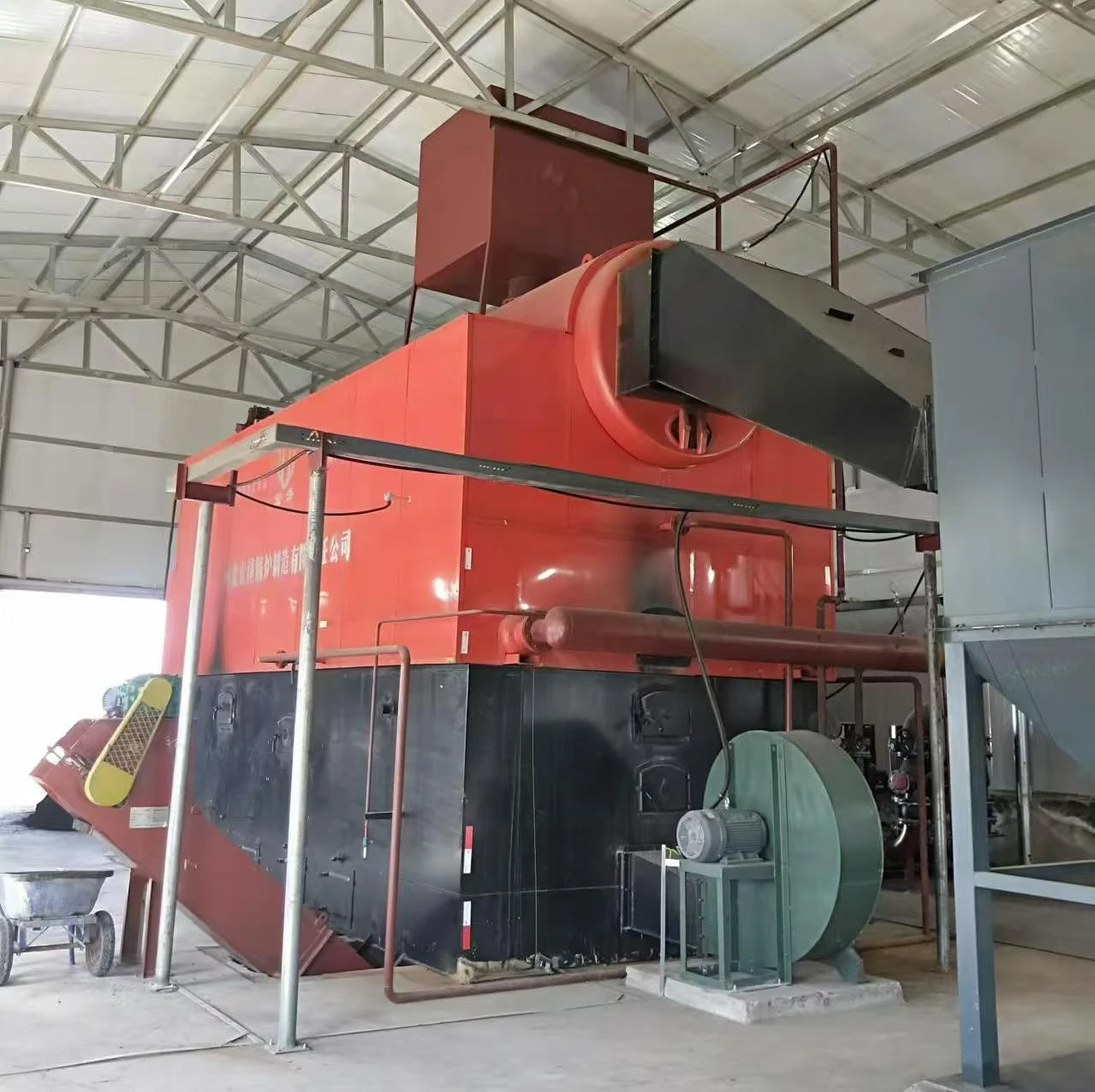
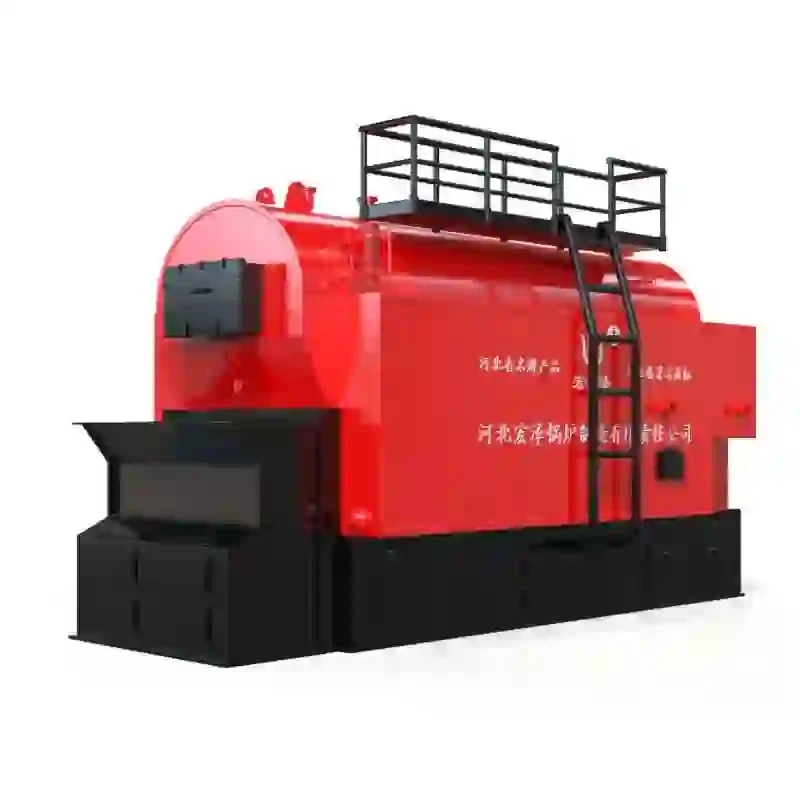
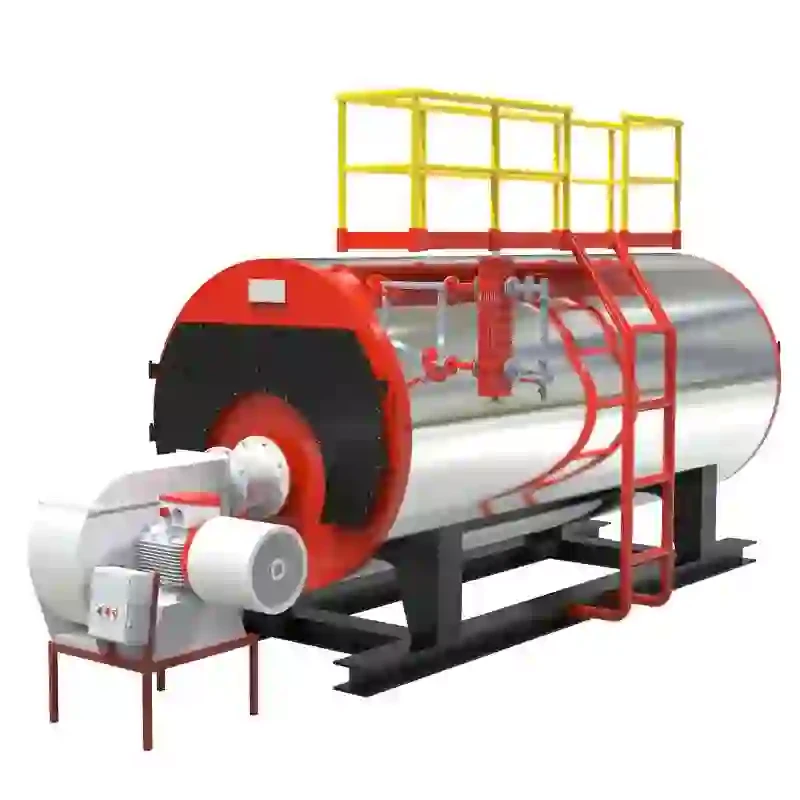
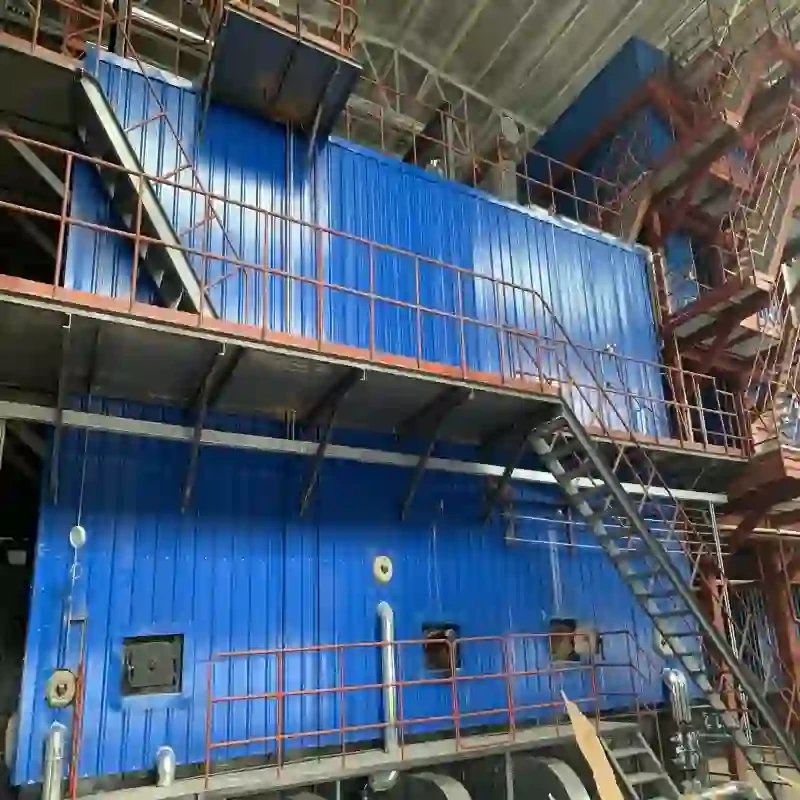
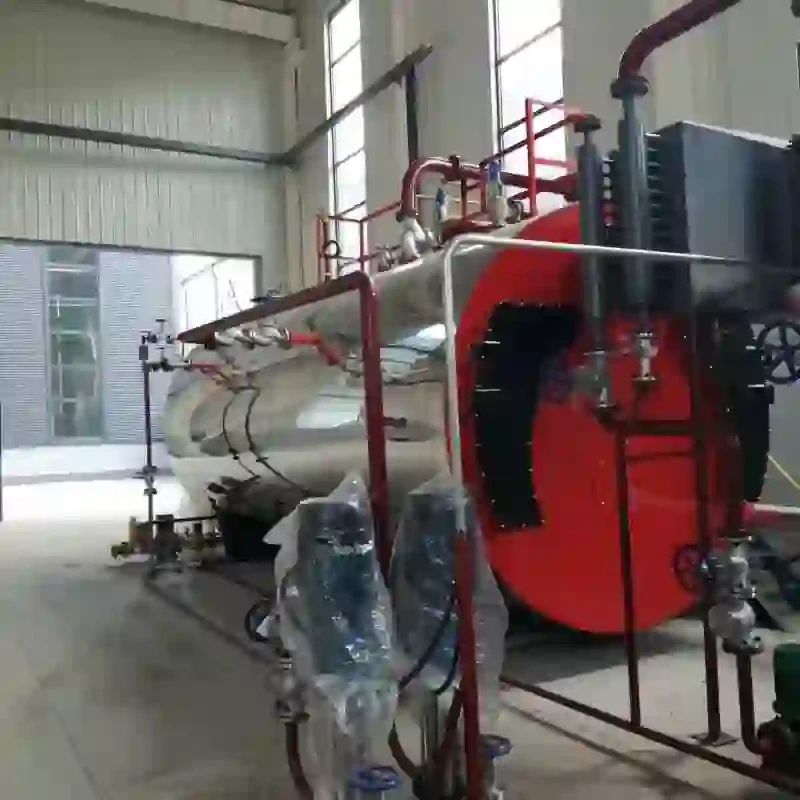
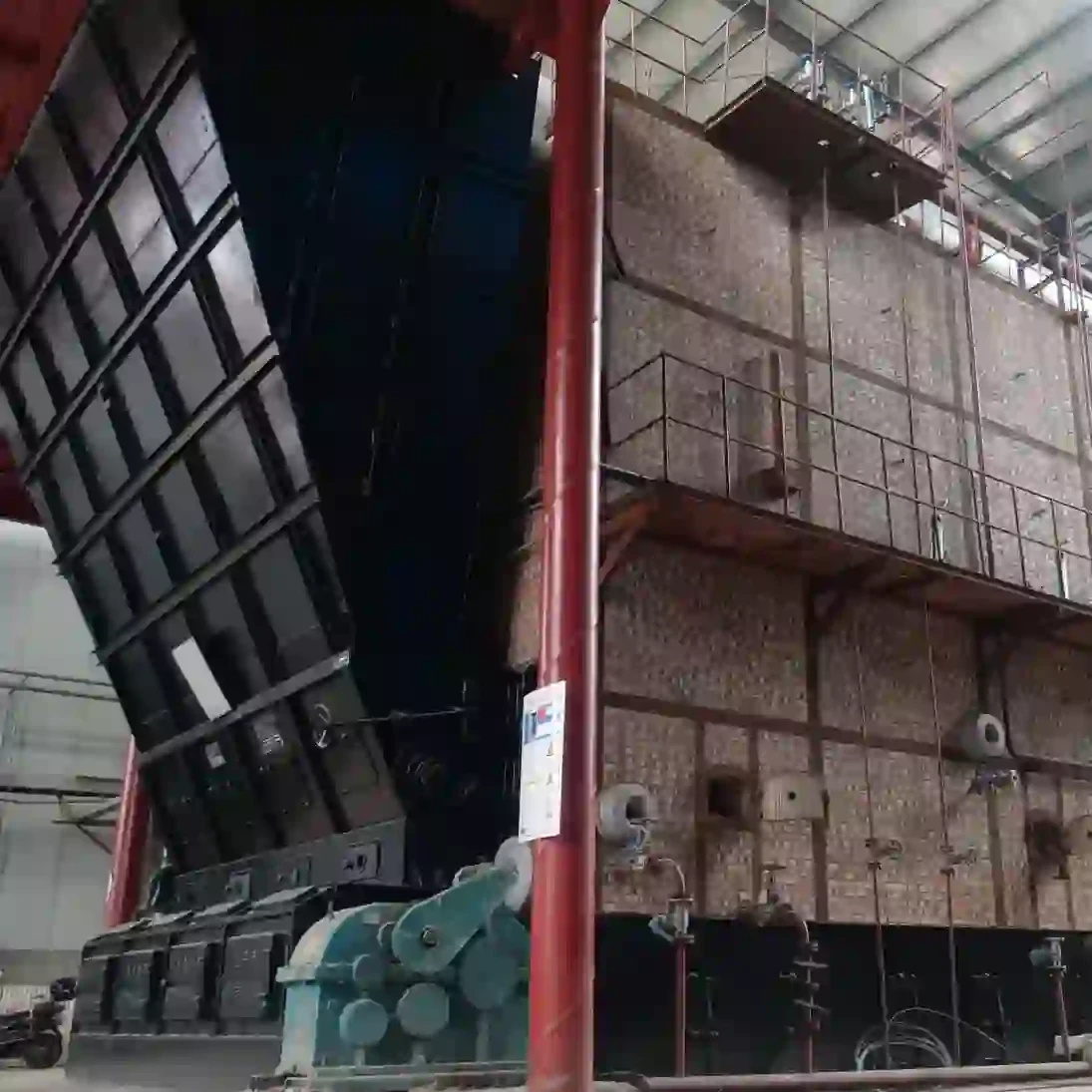
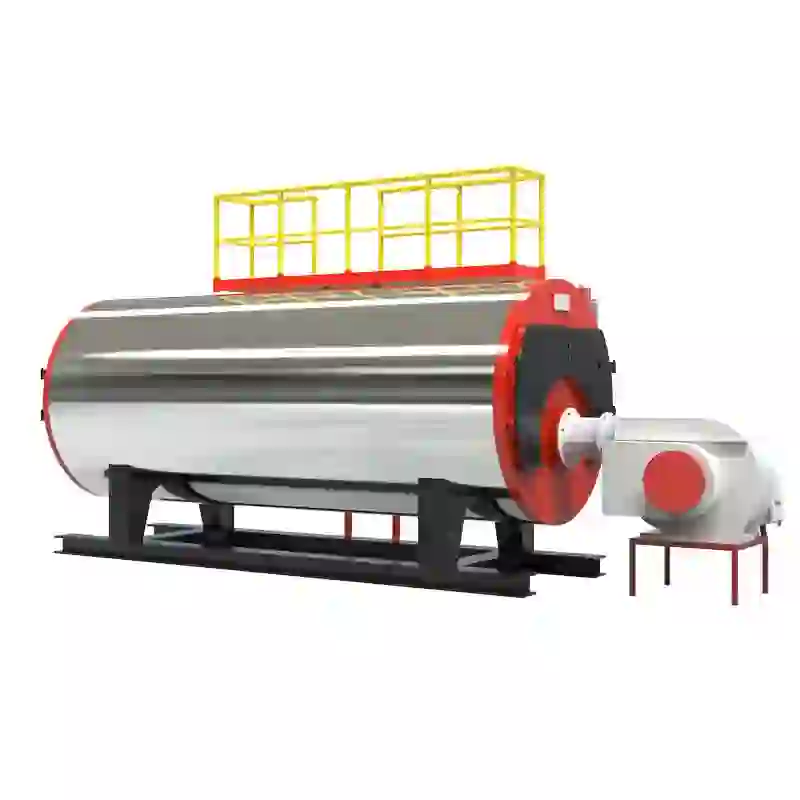
Now, choosing a vendor is as critical as choosing the right fuel. My experience has taught me that the boiler manufacturer’s expertise in fuel handling technology, emissions control, and customizability makes a huge difference. I once worked with a client who needed to run a mix of wood and agricultural residues – a tricky combo, but HZ Steam Boiler’s systems provided the flexibility needed. They feature automated feeding mechanisms that prevent clogging and control combustion efficiently.
| Feature | HZ Steam Boiler | Competitor A | Competitor B |
|---|---|---|---|
| Fuel Flexibility | High (wood, ag residues) | Medium (mostly wood chips) | Low (limited fuel types) |
| Emissions Control | Advanced SCR and cyclone filters | Basic particulate filters | Moderate EPA-standard filters |
| Maintenance Requirements | Low (automated cleaning) | High (manual cleaning) | Medium |
| Customization Options | Extensive | Limited | Moderate |
I suppose the takeaway here is this: while biomass boilers give industries a way to burn cleaner than fossil fuels, the success hinges a lot on your choice of fuel and system design. Never underestimate the role of consistent feedstock quality. One factory I worked with swapped their fuel mid-season and immediately saw efficiency plunge – the boilers just weren’t designed for high-moisture straw.
If you’re in the market, I’d suggest reaching out and talking specifics. Vendors like HZ Steam Boiler have plenty of experience customizing solutions that blend all these factors into a practical system.
Oddly enough, biomass fuel doesn’t just burn fuel — it burns down the barriers to sustainable energy in industry, piece by piece.
References:
- European Biomass Association (AEBIOM) – Biomass Fuel Standards Guide, 2022
- HZ Steam Boiler Technical Datasheets & User Manuals, 2023
- Industrial Boiler Operations Journal, Vol. 48 (2020), Article on biomass feedstock optimization
-
Industrial Natural Gas Steam Boiler High Efficiency System Guide
NewsApr.16,2026
-
Maximize Industrial Productivity with High Efficiency Gas Steam Boiler
NewsApr.09,2026
-
Comprehensive Guide to Industrial Steam Heater Systems and Applications
NewsApr.07,2026
-
Comprehensive Guide to Low Pressure Steam Boilers and Their Applications
NewsApr.04,2026
-
Understanding High Pressure Steam Boiler Technology and Industrial Applications
NewsMar.31,2026
-
Comprehensive Guide to High Efficiency Steam Boiler Systems and Applications
NewsMar.28,2026


 English
  Arabic
  Bengali
  French
  German
  Hindi
Hindi  Indonesian
  Kazakh
  Khmer
Khmer  Korean
  Kyrgyz
  Lao
Lao  Latin
Latin  Mongolian
  Nepali
  Russian
  Turkish
  Turkmen
  Uzbek
Uzbek 


