




Jan . 04, 2026 00:45 Back to list
Steam Boiler Price Explained: Costs, Specs & Vendor Comparison
Understanding steam boiler price: What really goes into the cost?
Having spent a couple of decades around industrial equipment — especially steam boilers — I’ve seen the price tag evolve in ways that aren’t immediately obvious. You glance at a number and think: “Is this fair? Is it expensive?” But frankly, there’s a whole story behind that figure.
So, today, I want to unpack what influences the steam boiler price. It's not just steel and engineering. There's design, materials, safety testing, customization… and the vendor’s reputation, too. Oddly enough, two boilers with near-identical specs can differ by thousands of dollars simply because one vendor has a rock-solid service backup, while another is just on the rise.
Materials and design: Most modern industrial steam boilers are made of high-grade carbon steel or stainless steel, with thickness tailored depending on pressure and temperature requirements. Years ago, I noticed a trend towards economizers and integrated safety features, which obviously push the price up but save money long term.
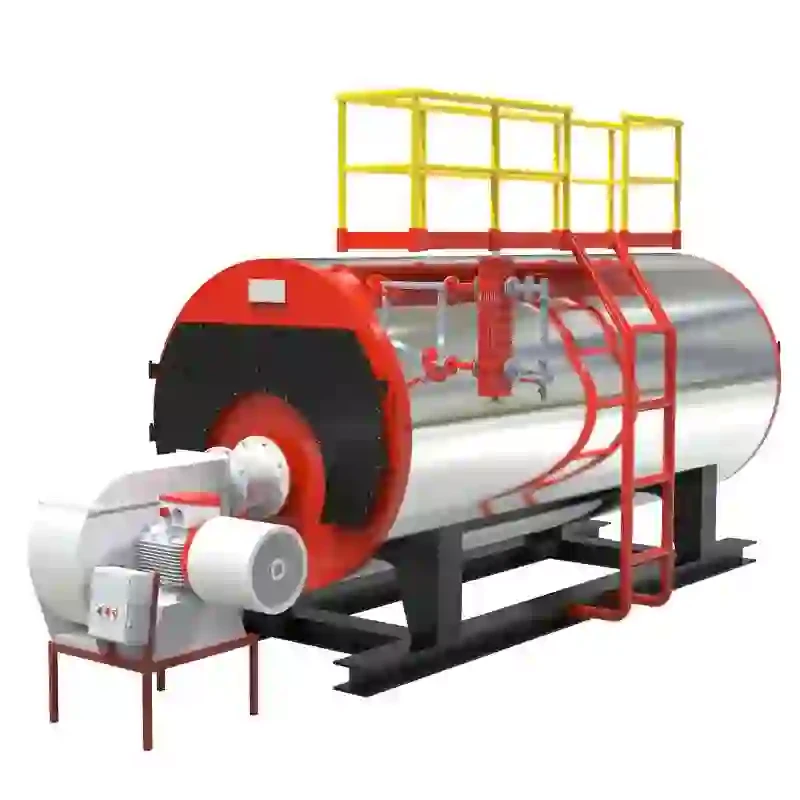
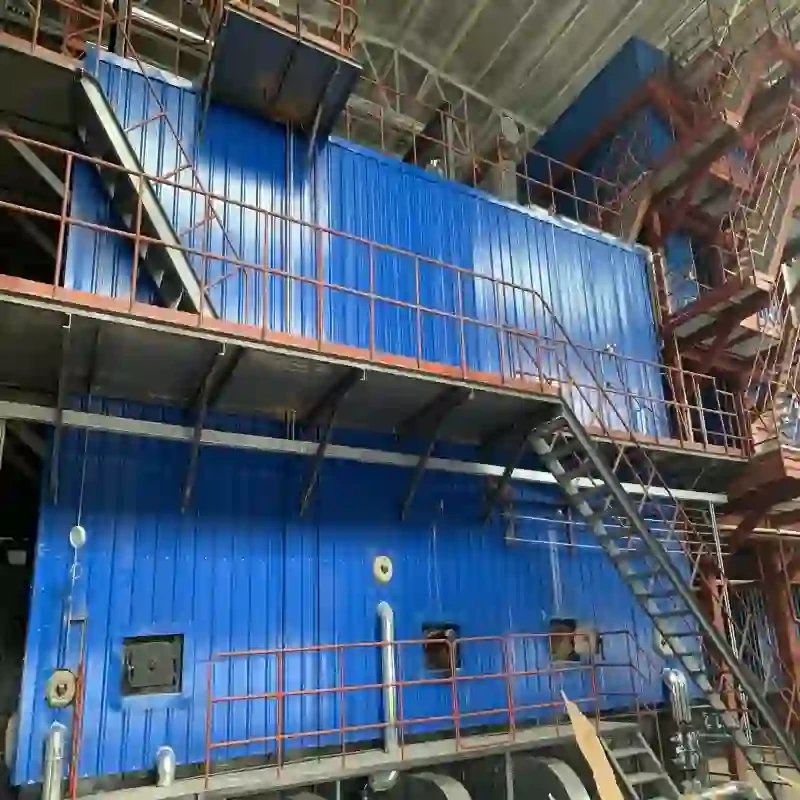
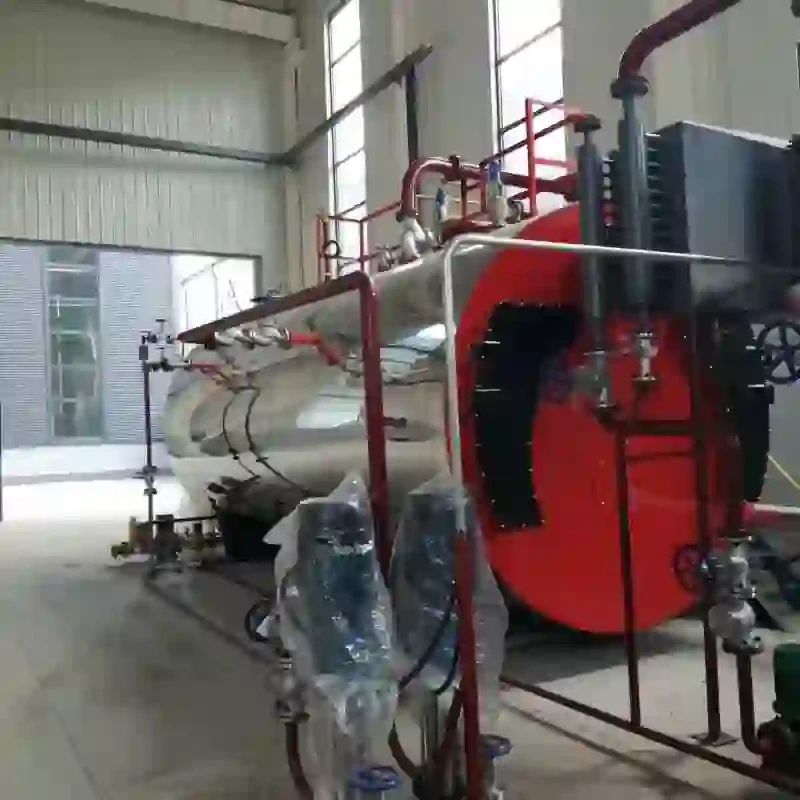
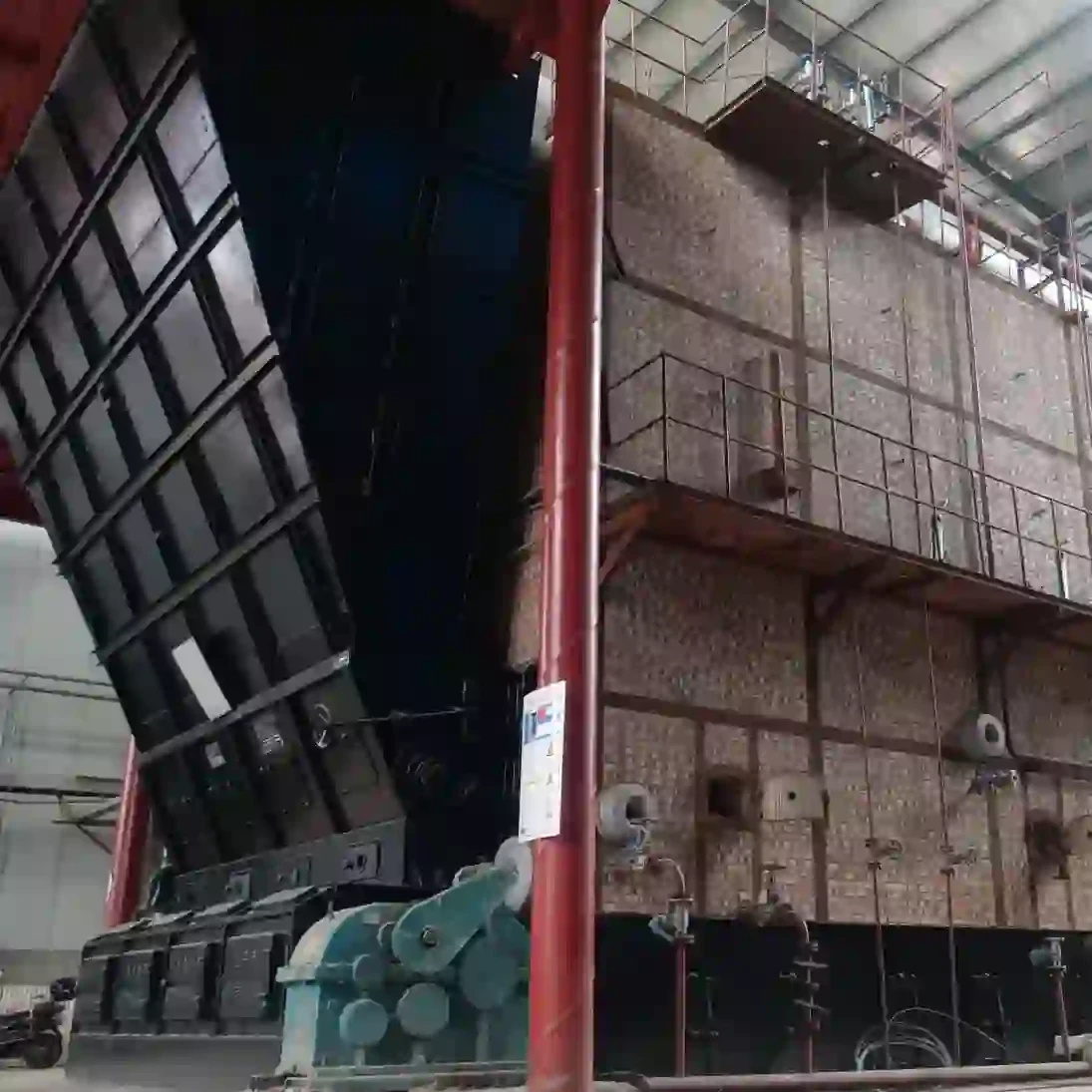
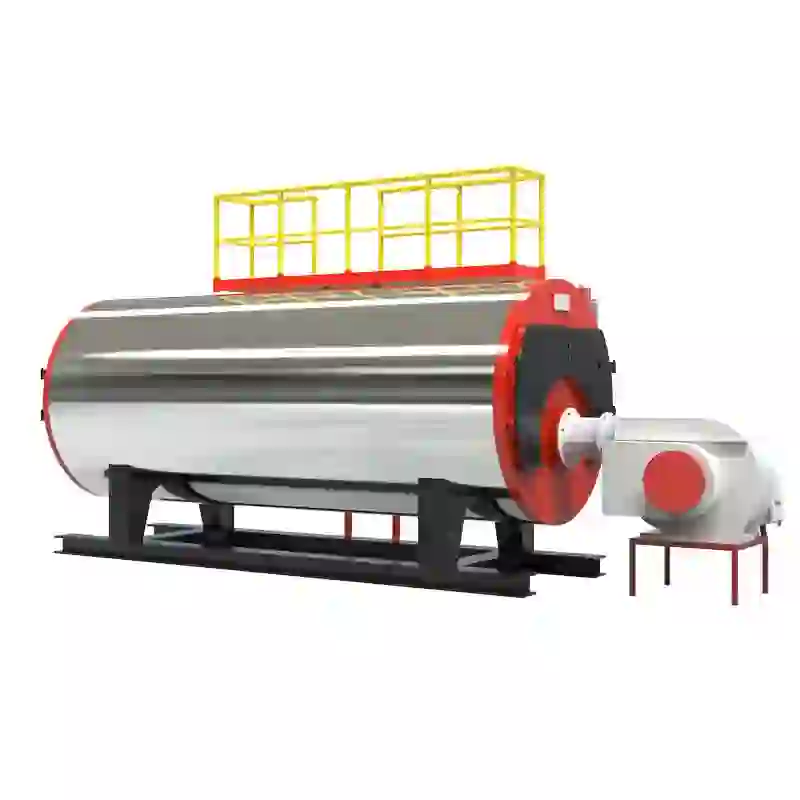
The design complexity varies a lot. A compact fire-tube boiler costs less than a large water-tube one designed for heavy-duty industrial use. By the way, the latter is often what you find in factories needing rapid steam production and high pressure.
Testing and certification: Boiler pressure vessels undergo rigorous hydrostatic and safety tests. That compliance alone accounts for a significant part of the cost. If you buy a cheap boiler without proper certification, you’re essentially buying risk—a gamble no seasoned engineer would take.
You might be wondering about customization. Frankly, many clients assume a boiler is one-size-fits-all, but that’s far from true. Project-specific steam capacity, fuel source adaptability, emissions controls, and automation features all push the price up — but make the unit fit exactly your needs. It’s like ordering a tailored suit instead of grabbing one off the rack.
Let me share a quick anecdote from a project a few years back: A client insisted on the lowest bid boiler and later came back with complaints about inefficient fuel use and breakdowns. After upgrading to a better-quality unit (admittedly pricier), their operational costs dropped noticeably, and downtime virtually disappeared. It feels like investing upfront really pays off.
| Specification | Details |
|---|---|
| Type | Water-tube/Premium fire-tube options |
| Capacity | 1 to 20 tons/hr steam generation |
| Operating Pressure | 6 bar up to 25 bar (customizable) |
| Fuel Type | Coal, gas, oil, or biomass |
| Efficiency | 85% to 92% (depends on model) |
| Automation | Basic to fully PLC-controlled |
| Warranty | 1-3 years standard (extended available) |
Now, about the vendors. Choosing a supplier is almost as crucial as picking the boiler. I’ve worked with three major ones over the years — let’s call them Vendor A, B, and C. Each one had its ups and downs, which show up in the price.
| Feature | Vendor A | Vendor B | Vendor C |
|---|---|---|---|
| Price Range | $30,000 - $70,000 | $25,000 - $55,000 | $40,000 - $80,000 |
| Lead Time | 4-6 weeks | 3-5 weeks | 6-8 weeks |
| Warranty | 2 years | 1 year | 3 years |
| After-Sales Support | Excellent (global service centers) | Good (regional support) | Moderate (limited availability) |
| Customization Options | High | Medium | High |
Looking back, I suppose the key takeaway is: the steam boiler price is more than just numbers on a sheet. It reflects engineering expertise, material quality, testing accuracy, and the vendor’s commitment — all factors you’d rather have ironclad when your production depends on reliable steam.
For those considering stepping into this market, I’d recommend visiting vendors in person if possible or at least requesting detailed breakdowns. You want transparency. And yes, sometimes paying a bit more upfront is just smart business.
Thanks for sticking with me here — it's always nice sharing the kind of insights you only get after years on the shop floor.
References:
- Engineering standards for industrial boilers - ASME Boiler & Pressure Vessel Code
- Industry reports on fuel efficiency and emissions trends (2022-2023)
- Vendor catalogues and warranty documents from top suppliers
-
Industrial Natural Gas Steam Boiler High Efficiency System Guide
NewsApr.16,2026
-
Maximize Industrial Productivity with High Efficiency Gas Steam Boiler
NewsApr.09,2026
-
Comprehensive Guide to Industrial Steam Heater Systems and Applications
NewsApr.07,2026
-
Comprehensive Guide to Low Pressure Steam Boilers and Their Applications
NewsApr.04,2026
-
Understanding High Pressure Steam Boiler Technology and Industrial Applications
NewsMar.31,2026
-
Comprehensive Guide to High Efficiency Steam Boiler Systems and Applications
NewsMar.28,2026


 English
  Arabic
  Bengali
  French
  German
  Hindi
Hindi  Indonesian
  Kazakh
  Khmer
Khmer  Korean
  Kyrgyz
  Lao
Lao  Latin
Latin  Mongolian
  Nepali
  Russian
  Turkish
  Turkmen
  Uzbek
Uzbek 


