




Dec . 03, 2025 17:48 Back to list
What Is Biomass Heating? Insights on Industrial Biomass Boilers
What Is Biomass Heating? Insights from an Industrial Equipment Insider
Having spent a fair share of years in the industrial equipment sector, I’ve witnessed quite a few shifts in heating technologies. Biomass heating stands out these days—not just as an eco-hip buzzword, but as a genuinely practical approach for many manufacturers and facilities. But what exactly is biomass heating? How does it work, and why does it seem to keep popping up in conversations about sustainable energy?
At its core, biomass heating refers to generating heat by burning organic materials—think wood chips, agricultural residues, or specially grown energy crops. The premise sounds simple enough, but, frankly, there’s a bit more nuance when it comes to industrial scale systems.
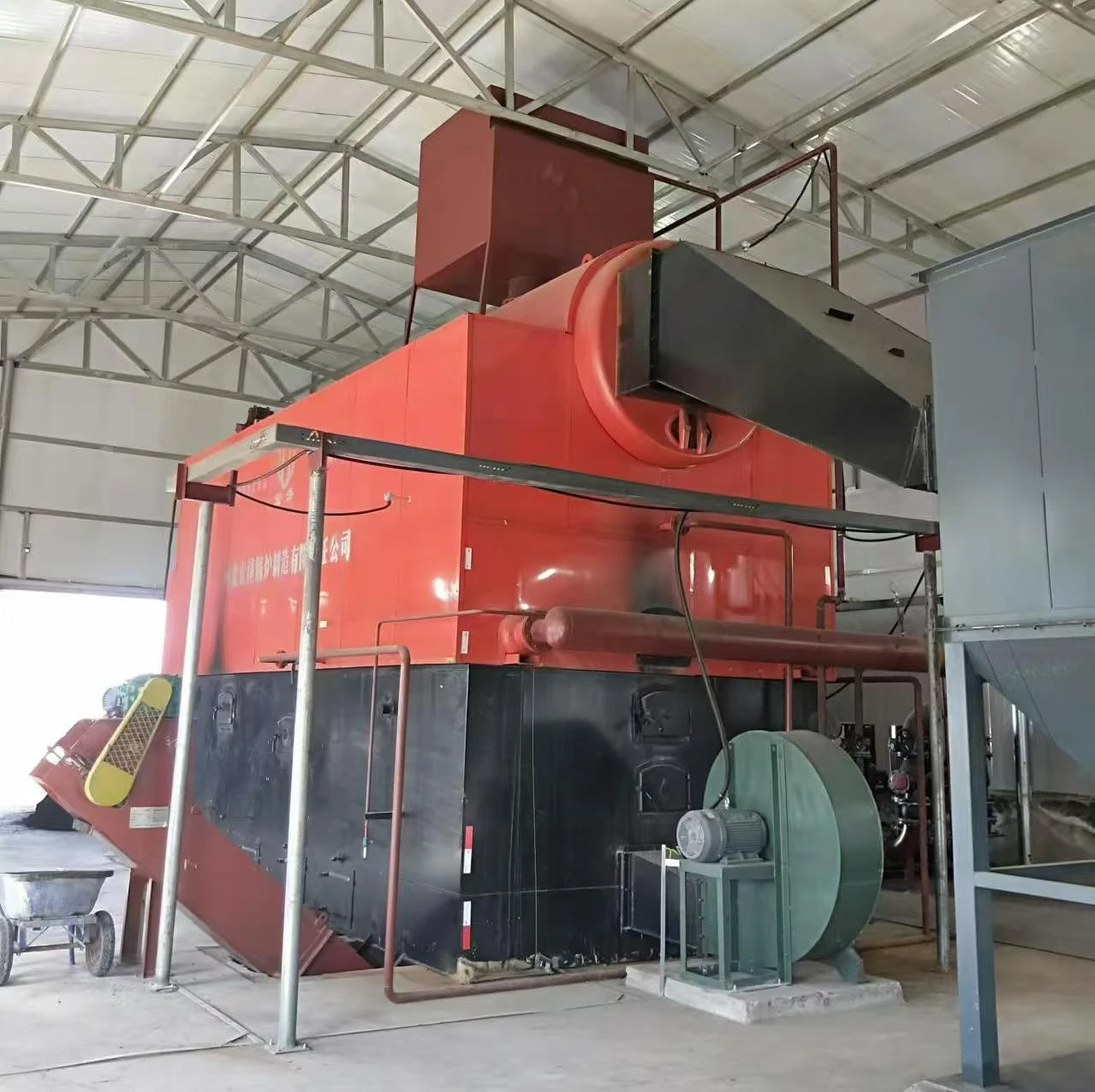
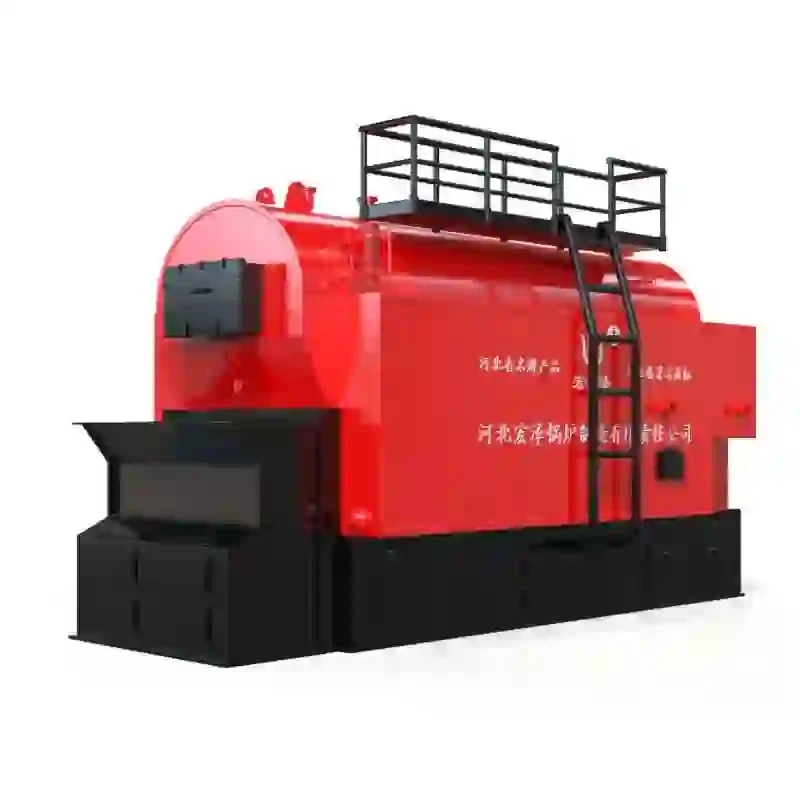
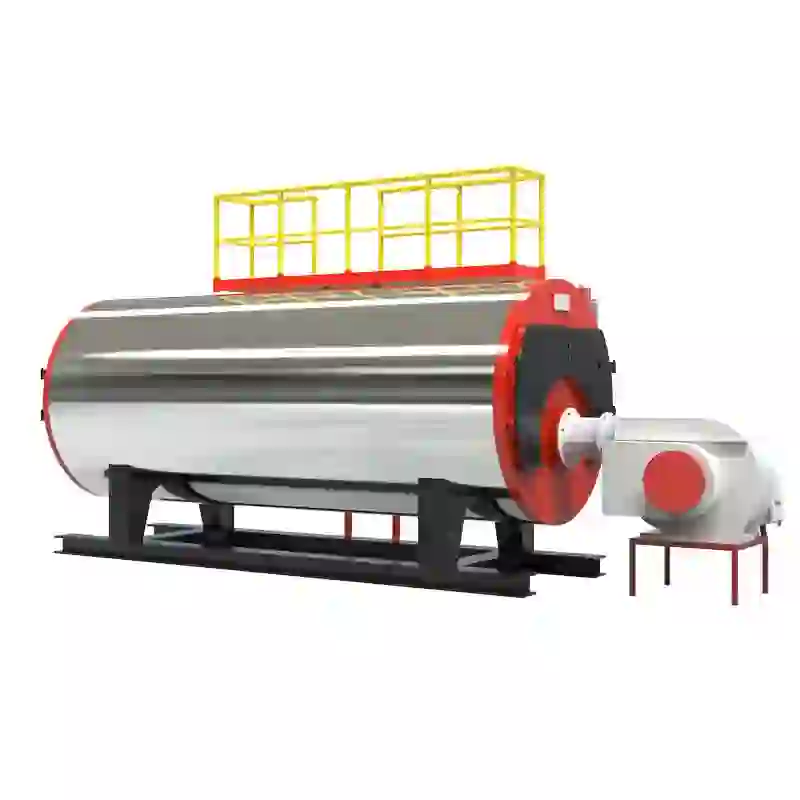
From what I’ve observed, these setups often rely on robust boilers tailored to combust biomass fuel efficiently. Unlike traditional fossil fuels, biomass is considered renewable—because the carbon dioxide released during burning is roughly balanced by the CO2 absorbed during the plants' growth cycle. It’s not 100% carbon neutral, mind you, but in real terms, it’s a move toward reducing net emissions.
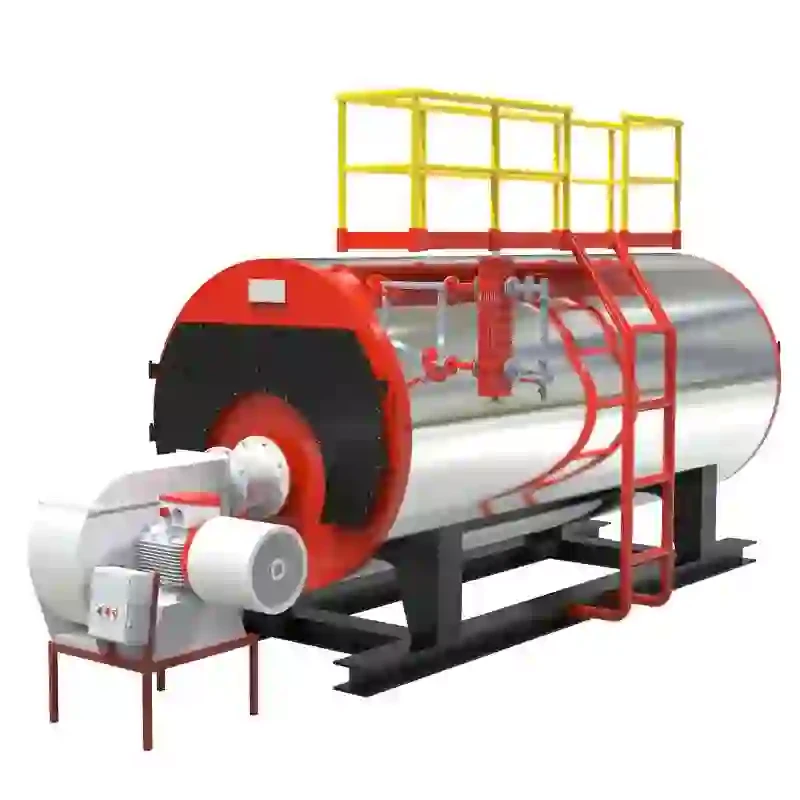
Many engineers I’ve talked to highlight how the design and material choices in biomass boilers differ quite a bit from gas or oil-fired systems. For instance, they feature larger grates or feed mechanisms to handle the variable size and moisture content of biomass fuels. Plus, the combustion chambers need careful tuning to achieve efficient burn without excess smoke or ash.
Here’s a quick snapshot looking at a typical biomass boiler’s specs and what’s under the hood:
| Specification | Details |
|---|---|
| Fuel Type | Wood Chips, Pellets, Agricultural Waste |
| Output Range | 50 kW - 3,000 kW (varies by model) |
| Combustion Efficiency | Up to 90% |
| Emission Controls | Cyclones, Electrostatic Precipitators |
| Feed System | Automated Augers or Pneumatic Feeders |
What I find particularly interesting—and, frankly, a bit challenging—is how biomass heating systems require a different maintenance mindset. You’re not dealing with clean gas here; ash buildup and slagging can be real issues. Regular inspection of moving parts and ash removal is crucial to keep these beasts running smoothly. It reminds me of a plant I visited a couple of years ago: the operators joked that they spend almost as much time cleaning as they do firing it up, but hey, the tradeoff is they slash fossil fuel use by a third.
Now, if you’re assessing biomass boilers or looking to switch, comparing vendors is a smart move. Not all biomass boilers are created equal, and you want the best fit for your facility’s size and fuel type. Here’s a simple side-by-side of three popular choices I’ve often seen recommended:
| Feature | Vendor A | Vendor B | Vendor C |
|---|---|---|---|
| Fuel Flexibility | High (Wood & Ag Waste) | Medium (Pellets Only) | High (Mixed Biomass) |
| Output Range | 100 kW – 2,500 kW | 50 kW – 1,000 kW | 200 kW – 3,000 kW |
| Emission Standards | Meets EU Stage V | Meets EPA Phase 2 | Meets both EU & EPA |
| Price Range | $$$ | $$ | $$$$ |
| Automation Level | High | Moderate | Full |
Back in the day, I worked alongside a customer who retrofitted their factory heating with a biomass system after running traditional boilers for decades. Their motivation was a mix of tightening emissions laws and a sincere desire to cut fossil fuel consumption. Oddly enough, the switch wasn’t just about compliance—it also led to energy cost stability because biomass prices were less volatile than oil or gas. Their operators had to learn some new skills, like fuel quality assessment and ash handling, but the overall sentiment was positive. You rarely hear that about retrofits!
In the end, biomass heating feels like one of those solutions that's as much about smart engineering as it is about commitment to greener practices. It’s not perfect—handling moisture content, ash disposal, and variable fuel quality can be tricky—but when done right, it delivers consistent heat and a way to use waste materials that might otherwise sit idle.
If you’re considering making the jump or just want to understand what the fuss is about, diving into specific product lines and discussing with vendors who really know biomass fuel nuances is my advice. There’s no one-size-fits-all, but the benefits are tangible enough that many industries are making it their norm.
So, what is biomass heating? It’s basically heating with the earth’s old leftovers, turned smart and efficient by modern tech. And I suppose that’s a pretty neat way to power your operation while keeping an eye on future sustainability.
References:
- IEA Bioenergy Task 32: Biomass Combustion Technologies
- US EPA: Biomass Heating Systems Overview
- Manufacturers’ Technical Manuals & Industry Case Studies
-
Industrial Natural Gas Steam Boiler High Efficiency System Guide
NewsApr.16,2026
-
Maximize Industrial Productivity with High Efficiency Gas Steam Boiler
NewsApr.09,2026
-
Comprehensive Guide to Industrial Steam Heater Systems and Applications
NewsApr.07,2026
-
Comprehensive Guide to Low Pressure Steam Boilers and Their Applications
NewsApr.04,2026
-
Understanding High Pressure Steam Boiler Technology and Industrial Applications
NewsMar.31,2026
-
Comprehensive Guide to High Efficiency Steam Boiler Systems and Applications
NewsMar.28,2026


 English
  Arabic
  Bengali
  French
  German
  Hindi
Hindi  Indonesian
  Kazakh
  Khmer
Khmer  Korean
  Kyrgyz
  Lao
Lao  Latin
Latin  Mongolian
  Nepali
  Russian
  Turkish
  Turkmen
  Uzbek
Uzbek 


