




Feb . 28, 2026 02:05 Back to list
Comprehensive Guide to Coal Fired Water Tube Boiler Systems and Applications
Coal Fired Water Tube Boiler: A Comprehensive Guide
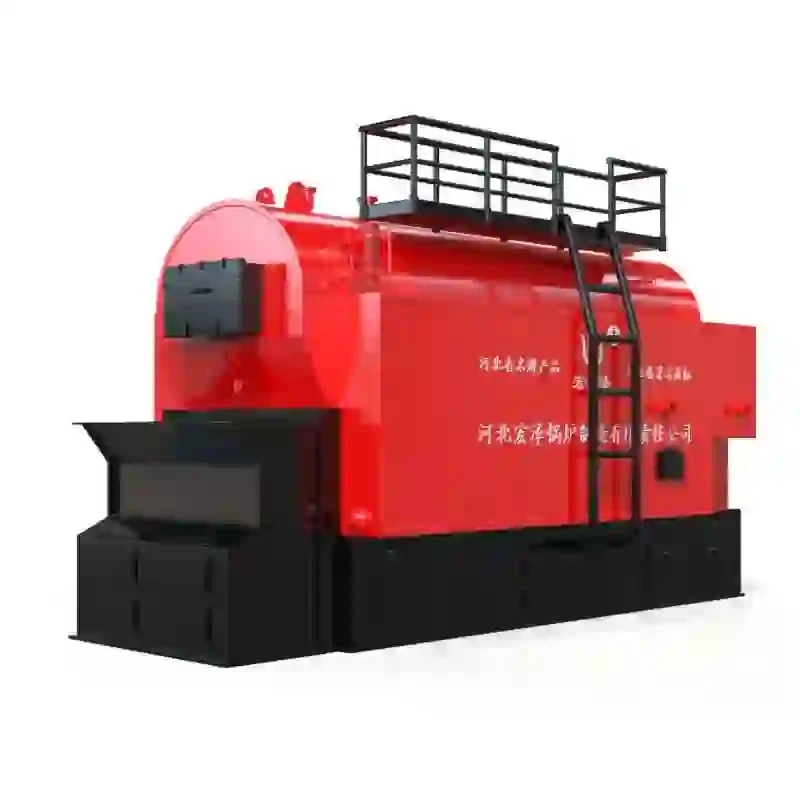
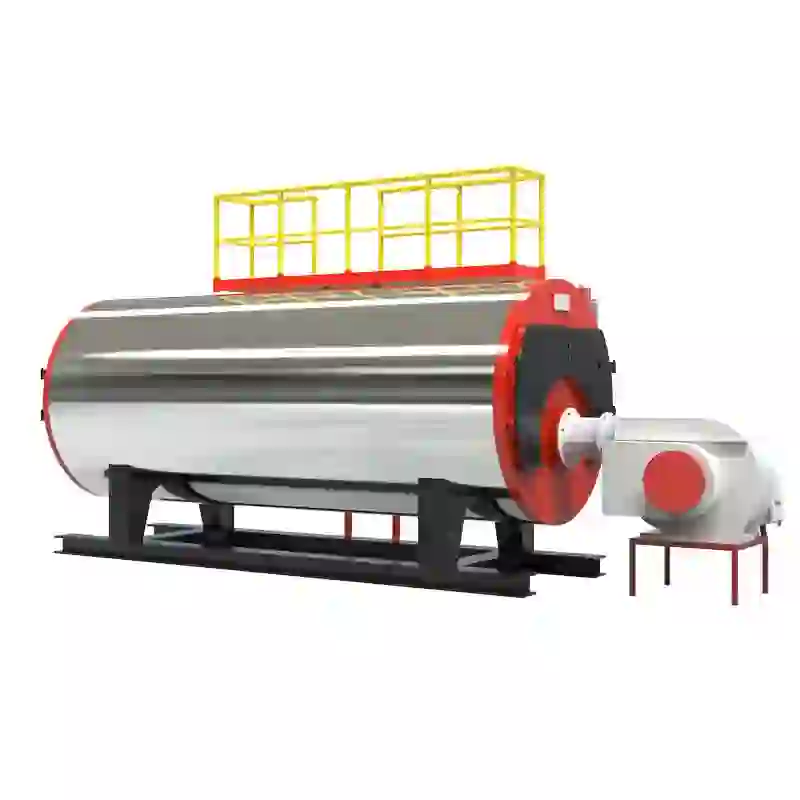
A coal fired water tube boiler is a robust and efficient heating solution widely used in various industrial applications. These boilers are known for their high steam output, reliability, and ability to utilize a readily available fuel source. This article provides an in-depth look at water tube boilers, their benefits, applications, key components, and considerations for choosing the right system. Understanding the nuances of these boilers is crucial for optimizing energy efficiency and ensuring safe operation. Whether you're looking to upgrade an existing system or implement a new one, this guide offers valuable insights.
Understanding the Fundamentals of Coal Fired Water Tube Boilers
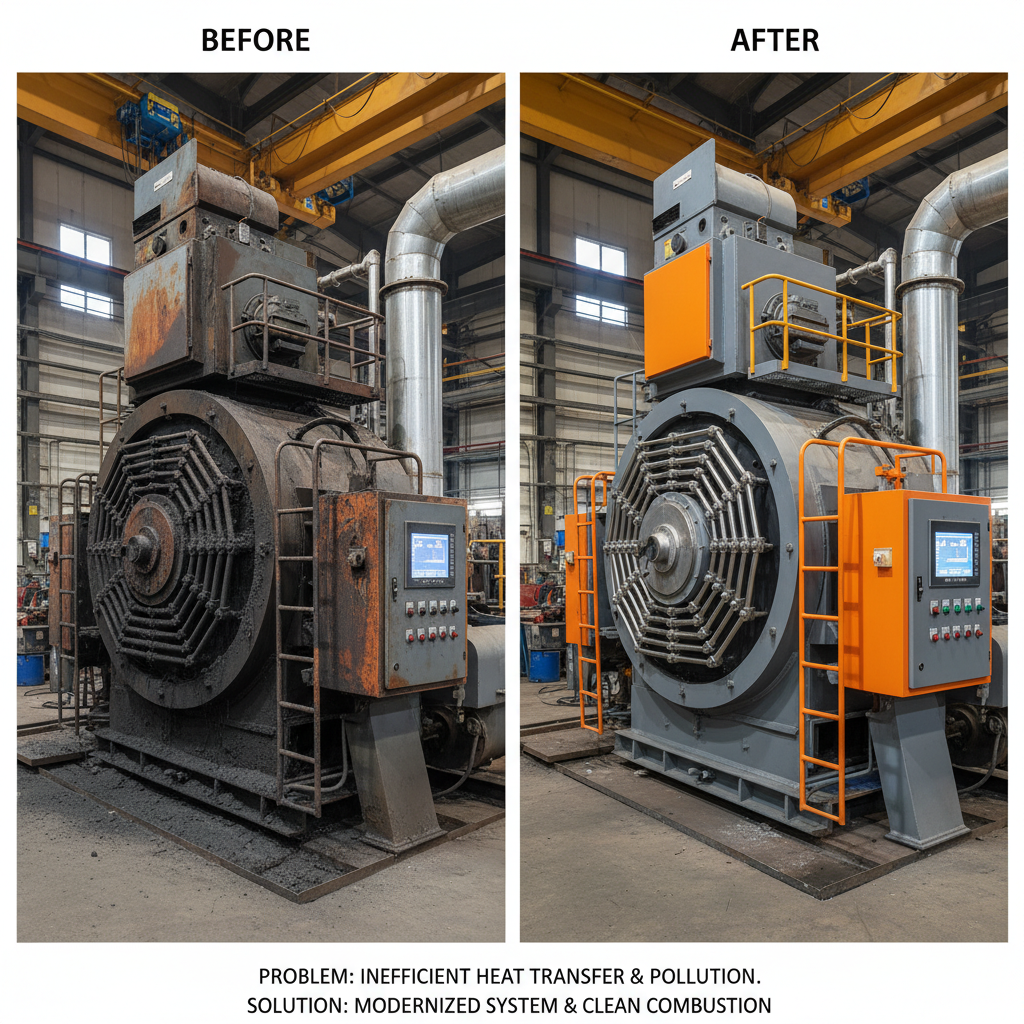
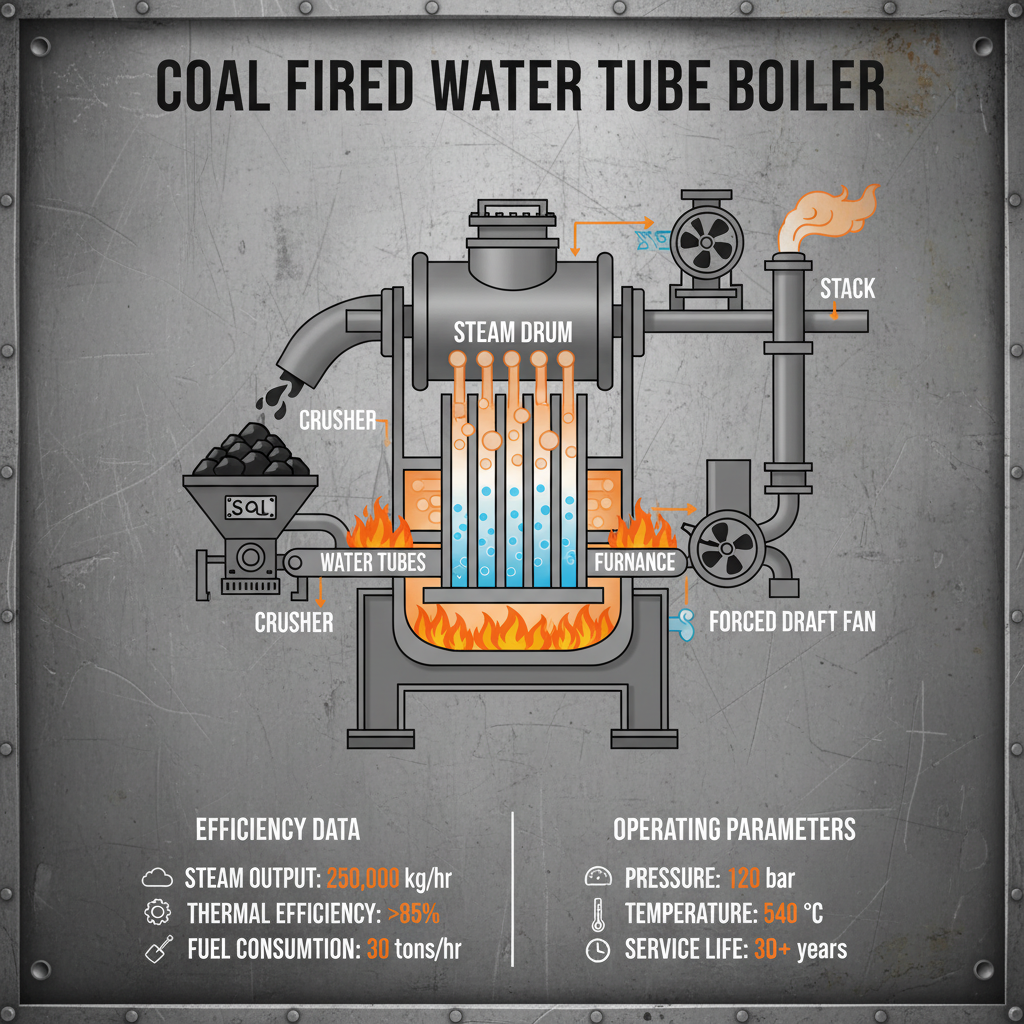
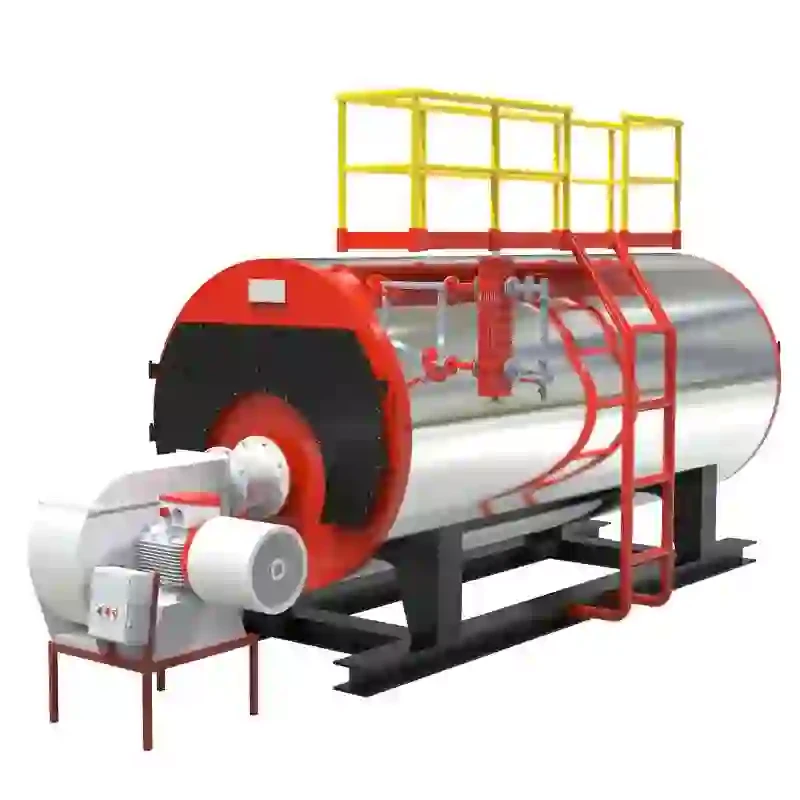
Unlike fire tube boilers where hot gases pass through tubes immersed in water, water tube boilers feature water circulating inside the tubes, while hot combustion gases flow around the outside. This configuration offers several advantages, including higher steam pressure capabilities, faster response to load changes, and increased safety. In a coal fired water tube boiler, coal is burned in a furnace, generating hot gases that transfer heat to the water circulating through the tubes. The resulting steam is then used for power generation, heating processes, or other industrial applications. The efficiency of this heat transfer is crucial to the boiler’s overall performance.
Key Components of a Coal Fired Water Tube Boiler
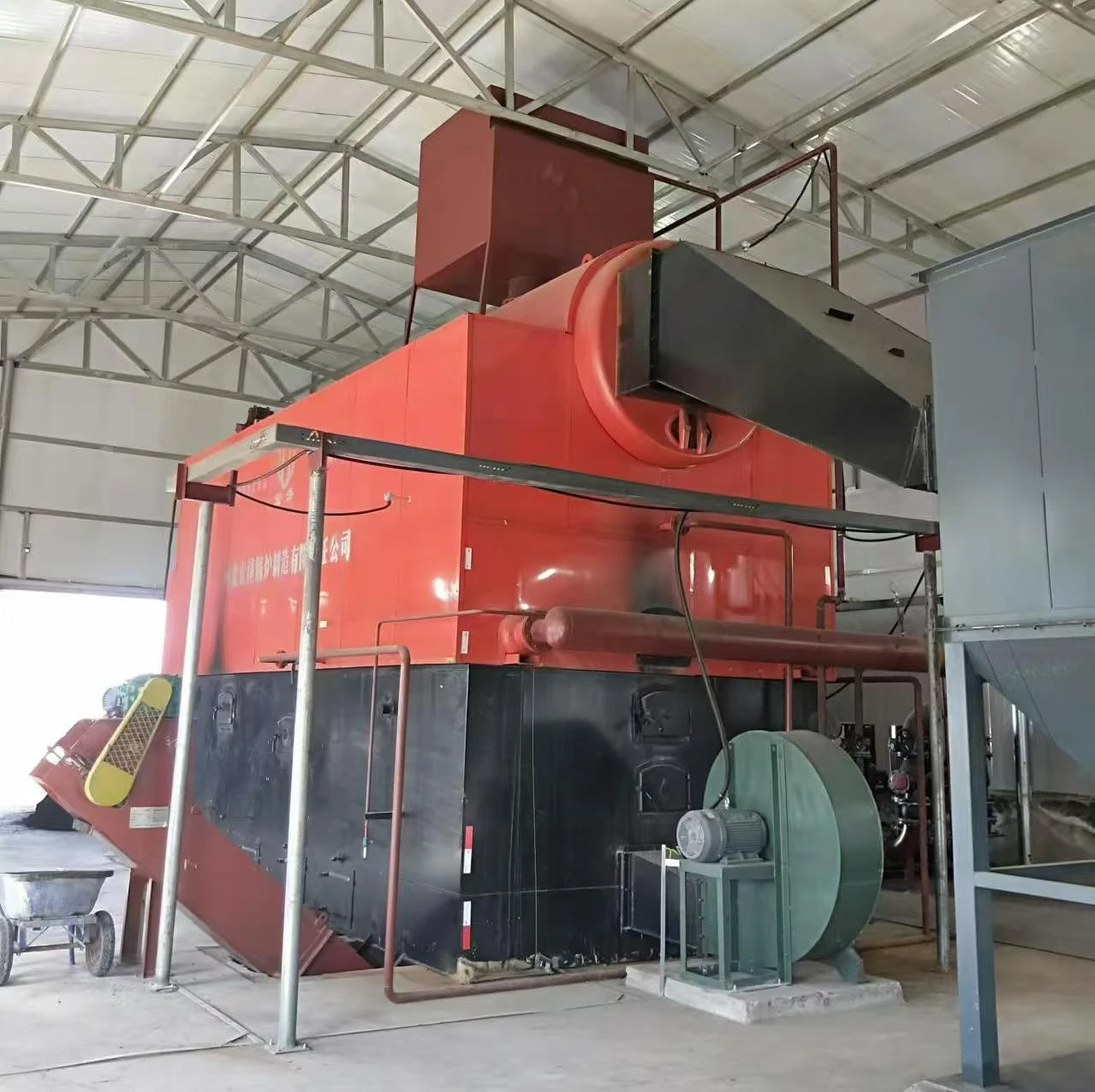
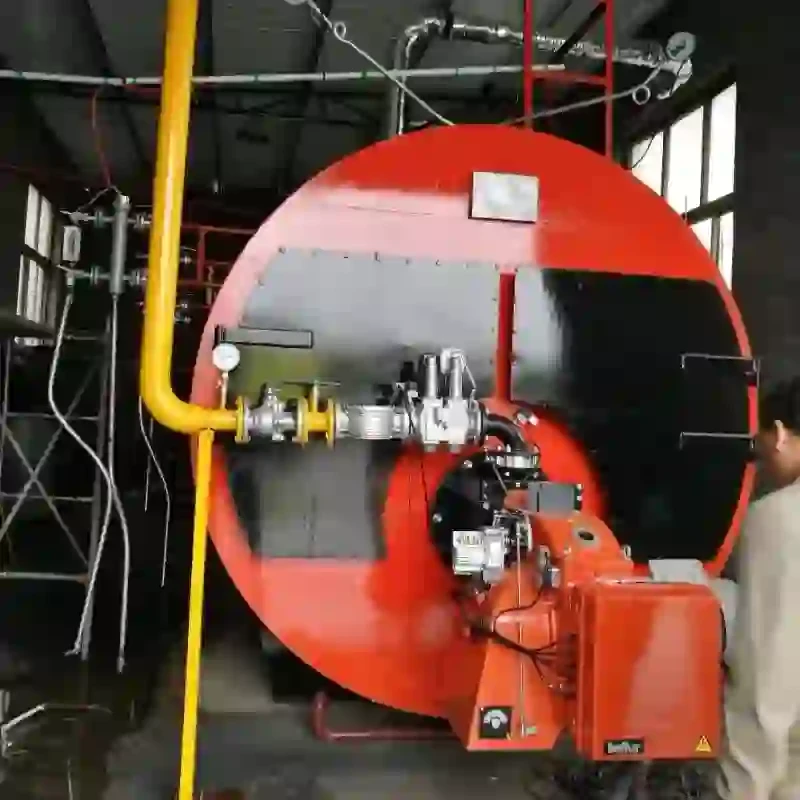
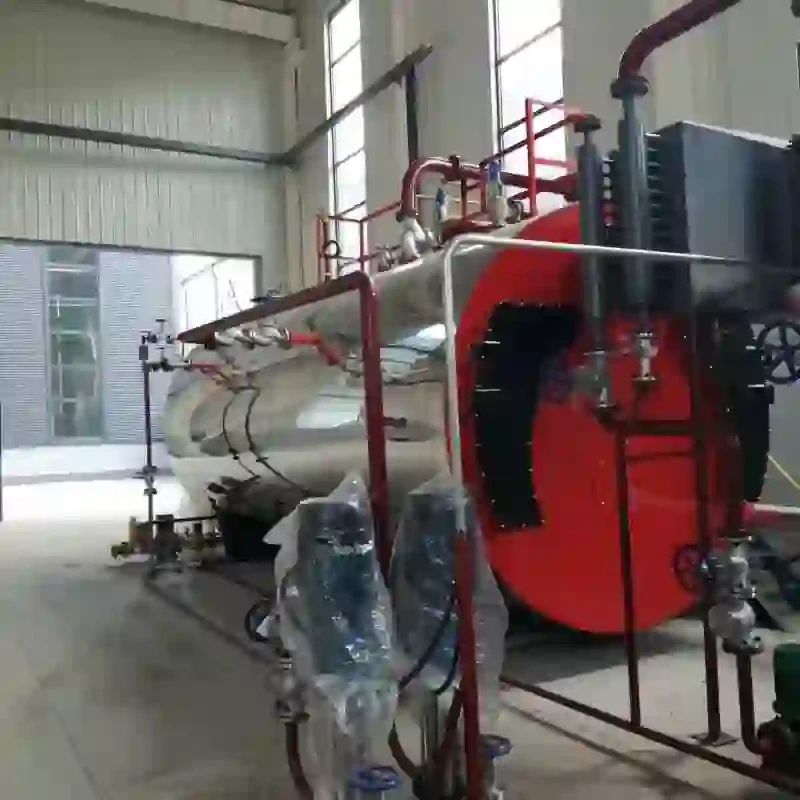
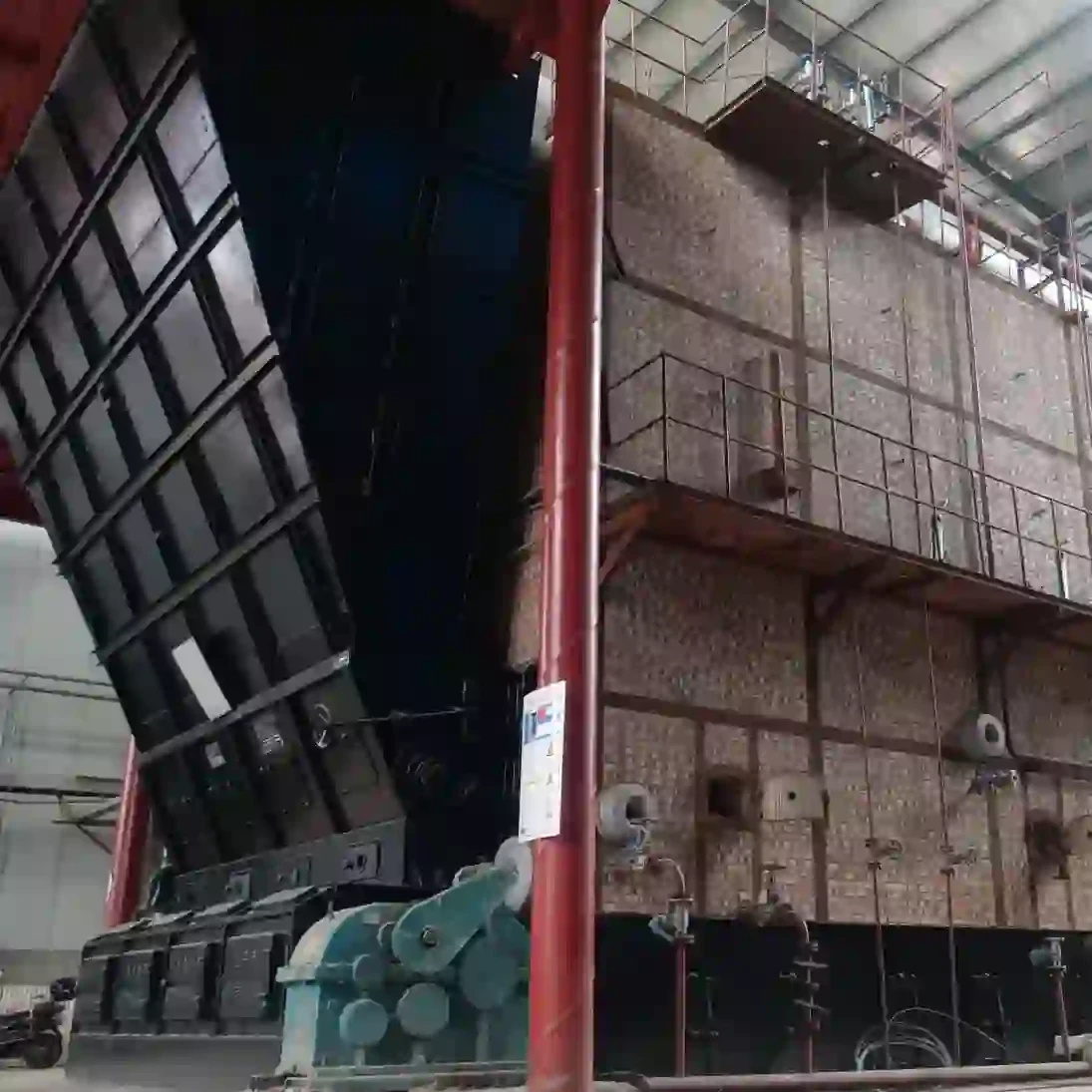
A coal fired water tube boiler comprises several essential components working in harmony. These include the furnace, where coal combustion takes place; the water walls, which form the enclosure around the furnace and help absorb heat; the boiler tubes, through which water circulates; the superheater, which increases steam temperature; the economizer, which preheats feedwater; and the air preheater, which enhances combustion efficiency by heating combustion air. Also critical are the fuel feeding system, the draft system (induced and forced), the control system, and safety devices. The quality and maintenance of these components significantly impact the boiler’s lifespan and performance.
Applications of Coal Fired Water Tube Boilers
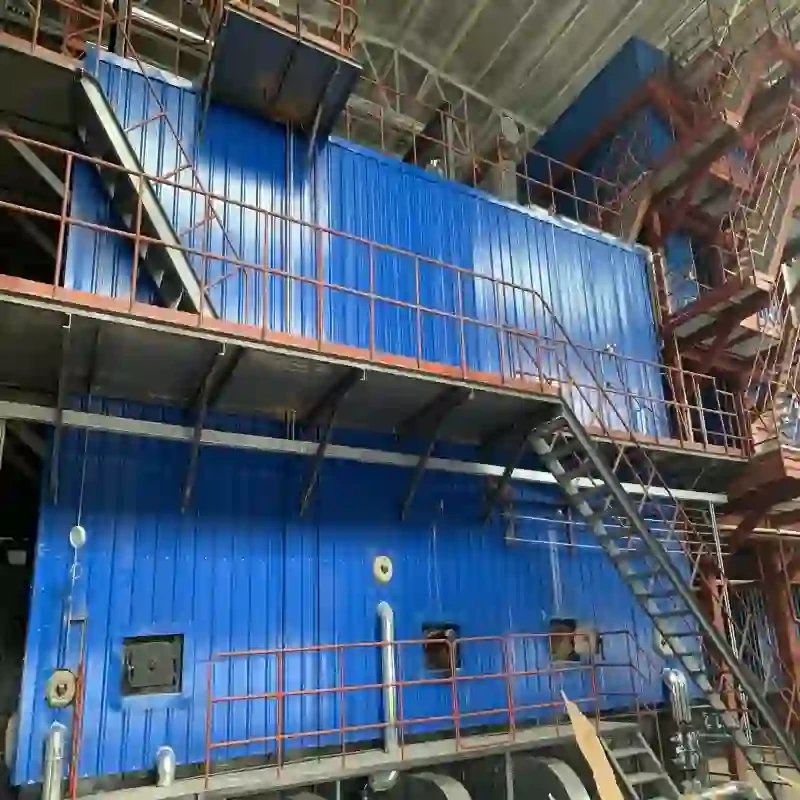
These boilers find widespread application in diverse industries. Power plants rely heavily on them for steam generation to drive turbines. The chemical and petrochemical industries utilize them for process heating and steam production. The food processing, textile, and pulp & paper industries also benefit from their efficient and reliable steam supply. Additionally, they are used in district heating systems, providing heat to multiple buildings or facilities. The versatility of coal fired water tube boilers makes them a staple in numerous industrial settings.
Coal Fired Water Tube Boiler vs. Fire Tube Boiler: A Comparison
Choosing between a water tube and a fire tube boiler depends on specific operational requirements. Water tube boilers are generally preferred for high-pressure, high-capacity applications, while fire tube boilers are suitable for lower-pressure, smaller-scale needs. Water tube boilers offer quicker response to load changes and improved safety due to their lower water content. However, they are typically more complex and require more skilled maintenance. The table below highlights key differences:
Factors to Consider When Choosing a Coal Fired Water Tube Boiler
Selecting the right boiler involves careful consideration of several factors. Steam demand, operating pressure, fuel availability, and environmental regulations are all crucial. Boiler efficiency, fuel consumption rates, and maintenance requirements should also be evaluated. Furthermore, consider the boiler’s footprint and installation space. A reliable supplier like HZ Steam Boiler can provide expert guidance and tailored solutions to meet your specific needs. Proper sizing and design are essential for maximizing performance and minimizing operational costs.
Conclusion: A Powerful and Reliable Heating Solution
The coal fired water tube boiler remains a vital component in numerous industrial applications, offering a robust and efficient heating solution. By understanding its principles, components, and considerations for selection, you can make informed decisions to optimize your operations. Investing in a quality boiler from a reputable manufacturer ensures long-term reliability and performance.
Frequently Asked Questions (FAQs)
What is the typical efficiency of a modern coal fired water tube boiler?
Modern coal fired water tube boilers can achieve efficiencies ranging from 80% to 90%, depending on the design, operating conditions, and fuel quality. Factors like the use of air preheaters, economizers, and optimized combustion control systems significantly contribute to higher efficiency. Regular maintenance and proper boiler tuning are also crucial for maintaining peak performance. Newer technologies and designs continue to push efficiency boundaries, minimizing fuel consumption and reducing emissions.
What safety features are essential in a coal fired water tube boiler?
Safety is paramount. Essential features include low water level alarms and cutoff devices, high steam pressure alarms and relief valves, flame failure protection, and interlocking systems to prevent operation under unsafe conditions. Regular inspection and testing of these safety devices are crucial. A well-maintained boiler control system and trained operators are also vital for safe operation. Adherence to relevant safety standards and regulations is non-negotiable.
What maintenance is required for a coal fired water tube boiler?
Regular maintenance is essential for ensuring reliable operation and extending the boiler’s lifespan. This includes daily checks of water levels, pressure gauges, and safety devices; periodic cleaning of boiler tubes to remove scale and soot; inspection of refractory lining and burner components; and annual boiler inspections by qualified personnel. Water treatment is also crucial to prevent corrosion and scaling. A preventative maintenance schedule should be established and followed diligently.
How does the quality of coal affect boiler performance?
Coal quality significantly impacts boiler performance. Higher-grade coal with low moisture content and high calorific value leads to more efficient combustion and higher steam output. Coal with high ash content can cause fouling and reduce heat transfer efficiency. Consistent coal quality is important for maintaining stable boiler operation. Proper coal handling and storage procedures are also necessary to prevent degradation and contamination.
-
Industrial Natural Gas Steam Boiler High Efficiency System Guide
NewsApr.16,2026
-
Maximize Industrial Productivity with High Efficiency Gas Steam Boiler
NewsApr.09,2026
-
Comprehensive Guide to Industrial Steam Heater Systems and Applications
NewsApr.07,2026
-
Comprehensive Guide to Low Pressure Steam Boilers and Their Applications
NewsApr.04,2026
-
Understanding High Pressure Steam Boiler Technology and Industrial Applications
NewsMar.31,2026
-
Comprehensive Guide to High Efficiency Steam Boiler Systems and Applications
NewsMar.28,2026


 English
  Arabic
  Bengali
  French
  German
  Hindi
Hindi  Indonesian
  Kazakh
  Khmer
Khmer  Korean
  Kyrgyz
  Lao
Lao  Latin
Latin  Mongolian
  Nepali
  Russian
  Turkish
  Turkmen
  Uzbek
Uzbek 


