




Dec . 03, 2025 13:40 Back to list
Gas Fired Hot Water Boiler for Sale – Efficient Heating Solutions for Industry & Beyond
Understanding the Gas Fired Hot Water Boiler for Sale
If you’re in the heating business or managing industrial processes, chances are you’ve bumped into the term gas fired hot water boiler for sale. But what exactly is it, and why does it matter beyond just “keeping things warm”? This topic is more global—and frankly, more exciting—than you might expect. Hot water boilers powered by gas fuel millions of homes, factories, hospitals, and even aid facilities worldwide. Appreciating their role helps businesses save energy, reduce emissions, and improve reliability. In this article, I’ll walk you through how these boilers work, why they’re vital in modern industry and humanitarian contexts, and where the technology is headed.
Global Context: Why Gas Fired Hot Water Boilers Matter
According to the International Energy Agency (IEA), natural gas accounts for about 24% of global energy consumption as of 2023, making it one of the cleaner fossil fuels available. Gas-fired hot water boilers are a significant slice of that usage, providing energy-efficient heating solutions with relatively low emissions compared to coal or oil. With global urbanization, rising industrial demand, and climate policies pushing cleaner tech, the market for gas fired hot water boiler for sale is growing steadily.
But it’s not just industry — in colder regions or disaster zones, these boilers enable warm water supply essential for sanitation, hospital care, and safe community living. The challenge? Machines that are efficient, safe, reliable, yet affordable and scalable. And that’s where this technology shines.
Defining a Gas Fired Hot Water Boiler
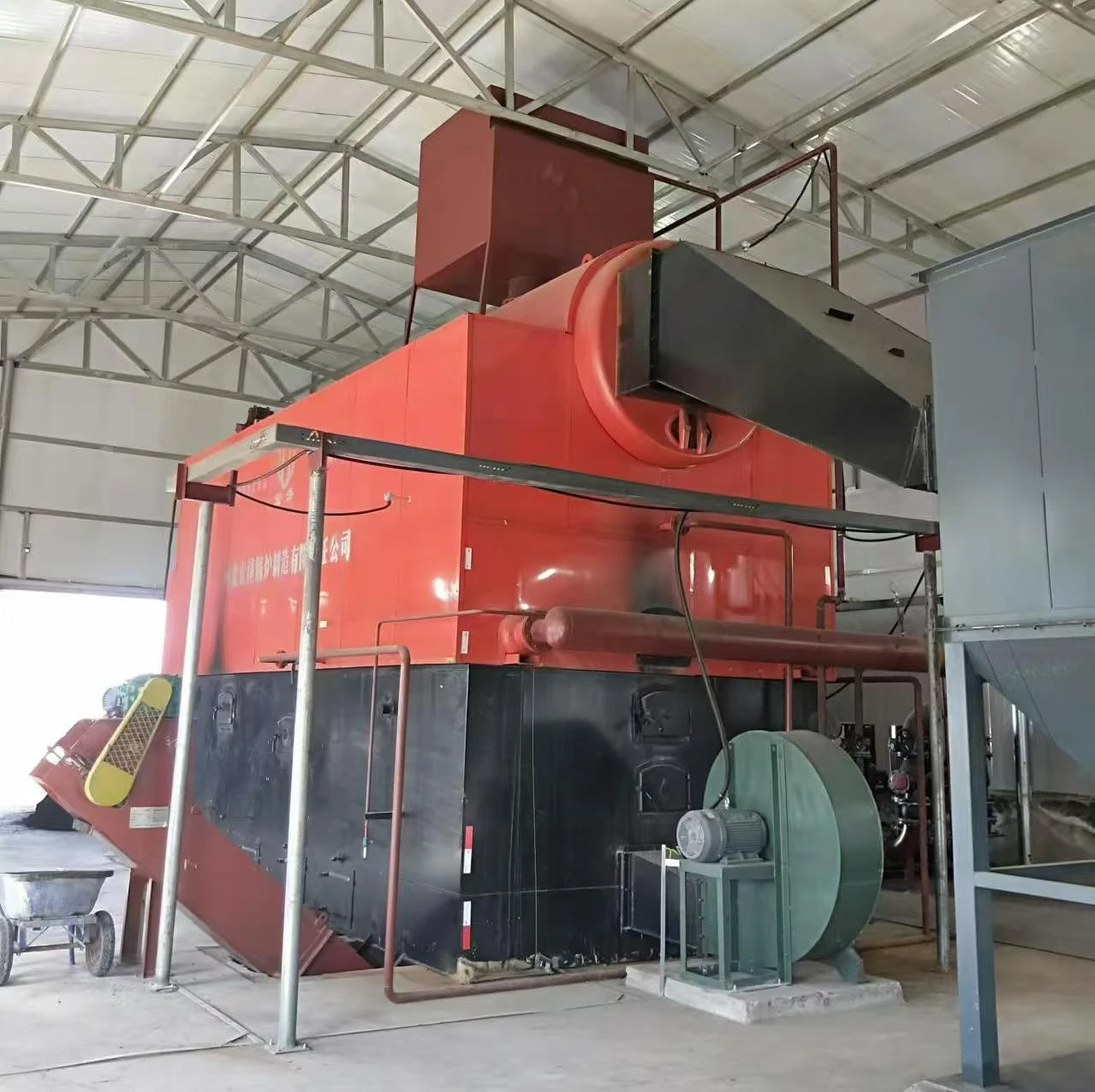
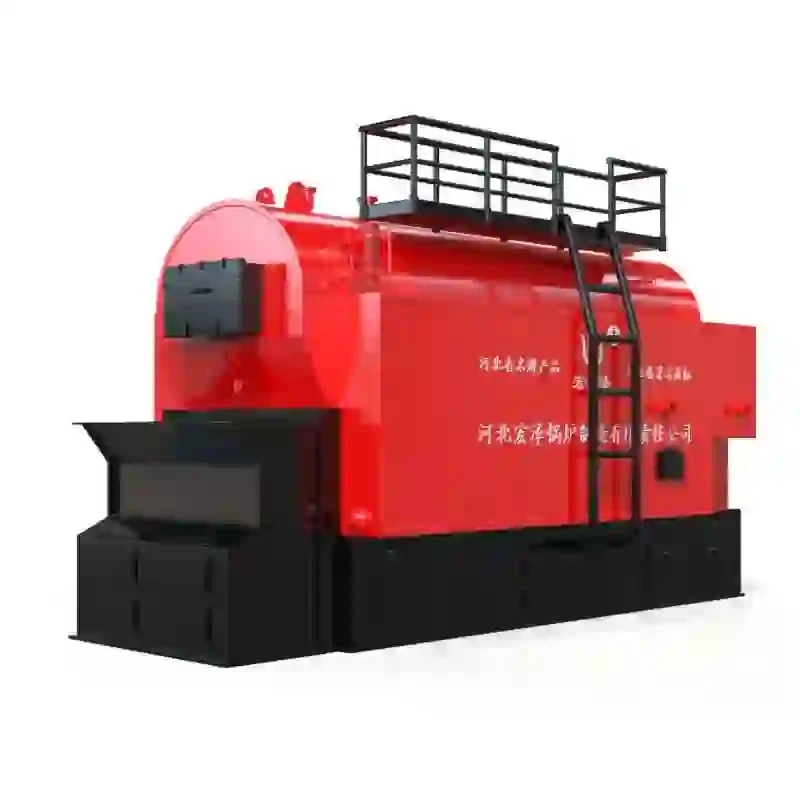
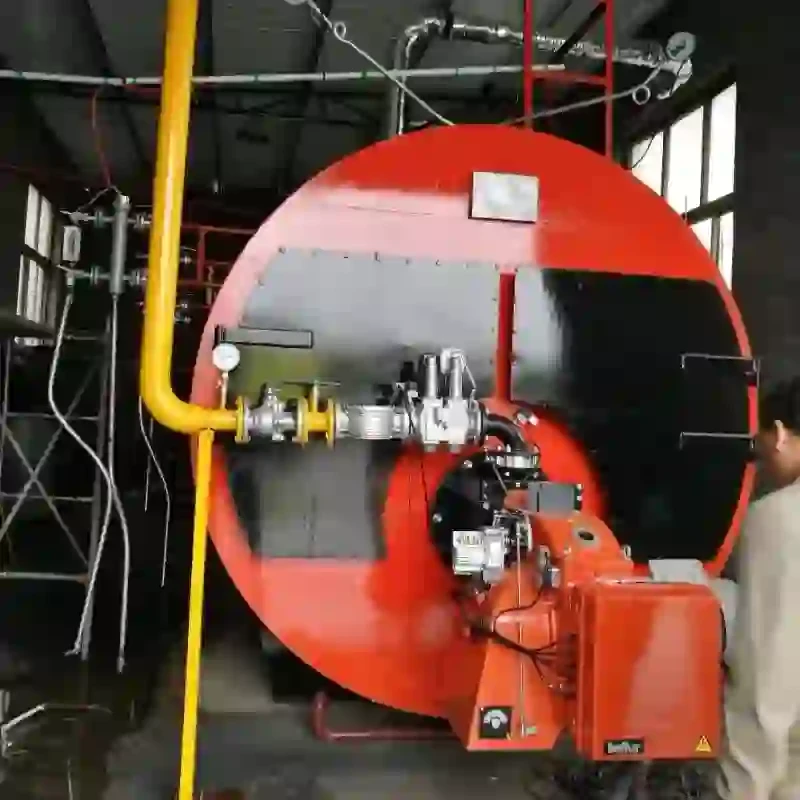
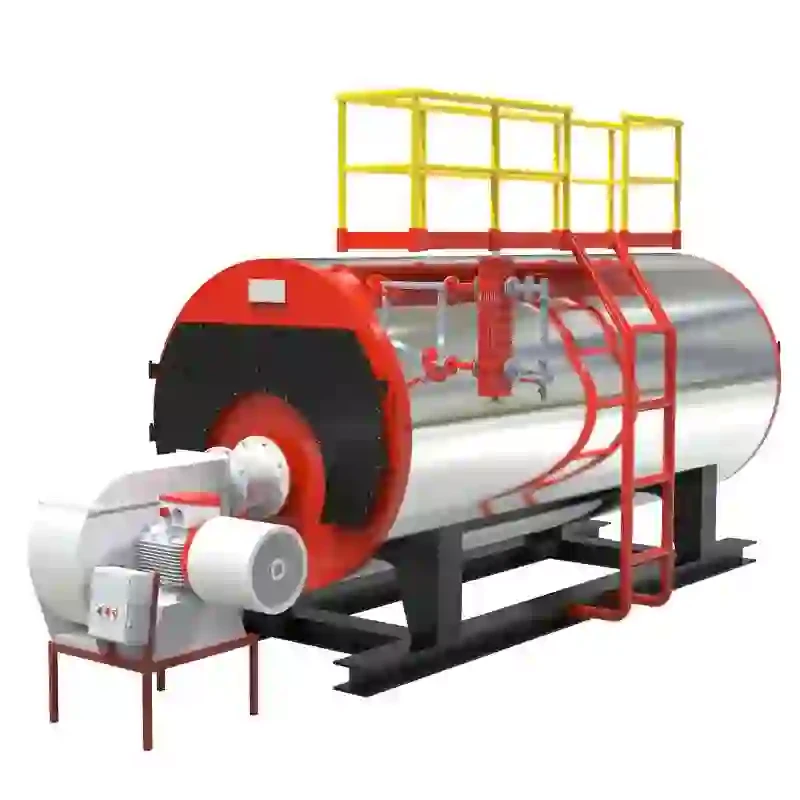
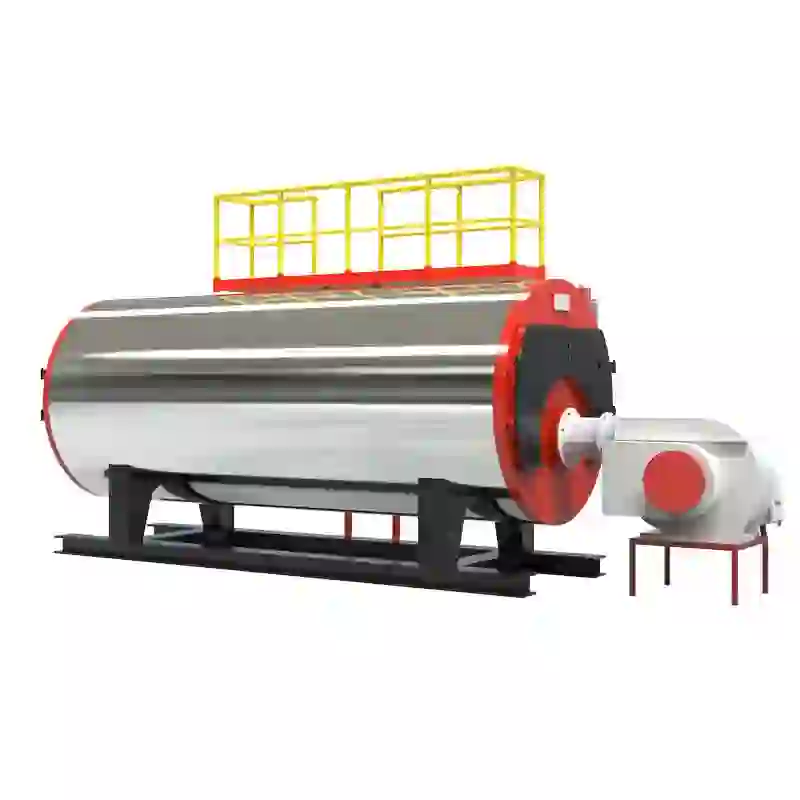
Simply put, a gas fired hot water boiler heats water by burning natural gas or LPG instead of coal or electricity. The hot water circulates through pipes for space heating or industrial processes. Because combustion of gas produces fewer particulates and CO2 per unit of heat than some alternatives, these boilers are considered a cleaner solution—though of course, renewable heat sources surpass them in sustainability.
In real terms, they’re heart-and-soul machines for many industries—from food processing to hospitals—helping maintain critical temperatures efficiently.
Core Components and Key Aspects
1. Durability
Boilers operate under pressure and high temperature, so materials must resist corrosion and thermal stress. High-quality steel alloys and regular maintenance routines keep these units running reliably for decades.
2. Scalability
Whether it’s a small restaurant or a large manufacturing plant, boilers come in various sizes measured in kilowatts or BTUs. Modular designs allow multiple units to be linked for flexibility as demand shifts.
3. Cost Efficiency
Natural gas prices are usually lower than electricity or oil, making gas boilers economical in the long run — especially when efficiency tops 85–90%. Plus, lower maintenance costs compared to older tech improve their appeal.
4. Safety Features
Modern units include multiple safeguards — flame sensors, pressure relief valves, automated shutoffs — to prevent accidents and hazardous leaks.
5. Environmental Considerations
While not zero-emissions, many models now integrate low-NOx burners and advanced combustion tech to reduce pollutants further. It’s becoming a greener solution with proper regulation and tech upgrades.
Product Specification Overview
| Specification | Typical Values |
|---|---|
| Fuel Type | Natural Gas / LPG |
| Capacity Range | 50 kW - 5,000 kW |
| Efficiency | 85% - 92% |
| Operating Pressure | 1.0 - 6.0 MPa |
| Emission Controls | Low-NOx Burners, SCR (Selective Catalytic Reduction) |
| Fuel Consumption | ~0.1 - 1 m³ natural gas per kWh |
Global Applications and Use Cases
You’ll find gas fired hot water boilers across continents and industries. In Europe, strict emission regulations have accelerated adoption of highly efficient boiler models for residential complexes and hospitals. In remote industrial zones of Canada and Russia, robust units maintain process heat in extreme cold. Oddly enough, emergency relief operations, like those organized by the Red Cross after natural disasters, rely on these boilers for sanitation and comfort in temporary shelters.
I remember reading how a manufacturer in Southeast Asia customized boilers for tropical climates to maintain steady hot water supply despite fluctuating electrical grids. It’s exactly these practical tweaks that make all the difference in real-world use.
Vendor Comparison: Selecting the Right Boiler Supplier
| Feature | Vendor A | Vendor B | Vendor C |
|---|---|---|---|
| Efficiency (%) | 90 | 88 | 85 |
| Warranty (Years) | 5 | 3 | 4 |
| After-Sales Support | 24/7 Global Service | Regional Offices Only | Limited Online Support |
| Emission Controls | Low-NOx, SCR | Low-NOx Only | Standard Burners |
Advantages and Long-Term Value of Gas Fired Hot Water Boilers
Investing in a gas fired hot water boiler offers several tangible benefits. First, cost savings tend to accumulate, thanks to the boiler’s efficient fuel consumption and lower maintenance compared with older electric or oil-fired boilers. Sustainability-wise, burning gas emits less carbon than conventional fossil fuels, aligning with many organizational ESG (Environmental, Social, Governance) goals.
There's also an emotional component—which people tend to overlook. Reliable hot water means safety and dignity, especially in healthcare facilities or temporary shelters. Knowing that the boiler won’t fail unpredictably builds trust among operators and users alike. Innovation in automation and digital monitoring furthers reliability and ease of management.
Future Trends & Innovations
The future seems promising. We’re seeing integration with smart controls allowing real-time monitoring and predictive maintenance to avoid downtime. Some manufacturers explore hybrid models that combine gas with renewable biogas or hydrogen to cut emissions further. Policy trends push for cleaner burners and efficiency improvements, so expect ongoing upgrades.
Digital transformation isn’t just buzz—it’s transforming legacy systems into smart, connected heat solutions, which is frankly thrilling to watch.
Challenges & Expert Solutions
Of course, the technology isn’t without hurdles. Gas supply interruptions can impact continuous operations, especially in remote areas. Regulatory environments differ widely, sometimes complicating installations. Concerns remain about fossil fuel dependence.
Experts suggest combining these boilers with backup energy sources or energy storage systems, alongside strict emission controls and regular maintenance. Emerging fuels like renewable natural gas (RNG) might also alleviate some climate concerns.
FAQ: Frequently Asked Questions About Gas Fired Hot Water Boilers for Sale
- Q: How do gas fired hot water boilers compare with electric boilers in efficiency?
A: Gas fired boilers typically achieve higher thermal efficiency (85–92%) and lower operational costs where gas is affordable. Electric boilers are 100% efficient at point of use but electricity costs and source sustainability vary widely. - Q: Can these boilers be used in off-grid applications?
A: Yes, if supplied by LPG tanks or onsite biogas production. However, regular maintenance and fuel availability are critical factors. - Q: What safety standards should I look for?
A: Look for compliance with ISO 9001, ASME boiler codes, and local emission regulations. Verified safety features like flame failure sensors and pressure relief valves are essential. - Q: Is it possible to install these boilers in existing older buildings?
A: Usually yes, but it depends on infrastructure like gas line capacity and venting systems. A professional site assessment is recommended. - Q: How long do gas fired hot water boilers typically last?
A: With proper care, 15 to 25 years is common. Regular servicing extends longevity significantly.
Conclusion: Why Investing in a Gas Fired Hot Water Boiler Makes Sense
In the end, the gas fired hot water boiler for sale is more than just an energy appliance; it’s a critical enabler of comfort, safety, and productivity worldwide. Its balance of efficiency, cost-effectiveness, and growing environmental compatibility positions it well for the decades ahead.
Whether upgrading your current system or acquiring one for a new project, consider the full lifecycle benefits and how it fits your operational needs. For those interested in exploring high-quality solutions, I suggest you visit our website: gas fired hot water boiler for sale and review available models tailored to diverse applications.
In short: understanding these boilers helps make smarter decisions for energy use today and tomorrow.
References
-
Industrial Natural Gas Steam Boiler High Efficiency System Guide
NewsApr.16,2026
-
Maximize Industrial Productivity with High Efficiency Gas Steam Boiler
NewsApr.09,2026
-
Comprehensive Guide to Industrial Steam Heater Systems and Applications
NewsApr.07,2026
-
Comprehensive Guide to Low Pressure Steam Boilers and Their Applications
NewsApr.04,2026
-
Understanding High Pressure Steam Boiler Technology and Industrial Applications
NewsMar.31,2026
-
Comprehensive Guide to High Efficiency Steam Boiler Systems and Applications
NewsMar.28,2026


 English
  Arabic
  Bengali
  French
  German
  Hindi
Hindi  Indonesian
  Kazakh
  Khmer
Khmer  Korean
  Kyrgyz
  Lao
Lao  Latin
Latin  Mongolian
  Nepali
  Russian
  Turkish
  Turkmen
  Uzbek
Uzbek 


