




Dec . 05, 2025 10:30 Back to list
Reliable Commercial Oil Fired Water Boiler Insights & Specs
A Veteran’s Take on the commercial oil fired water boiler Market
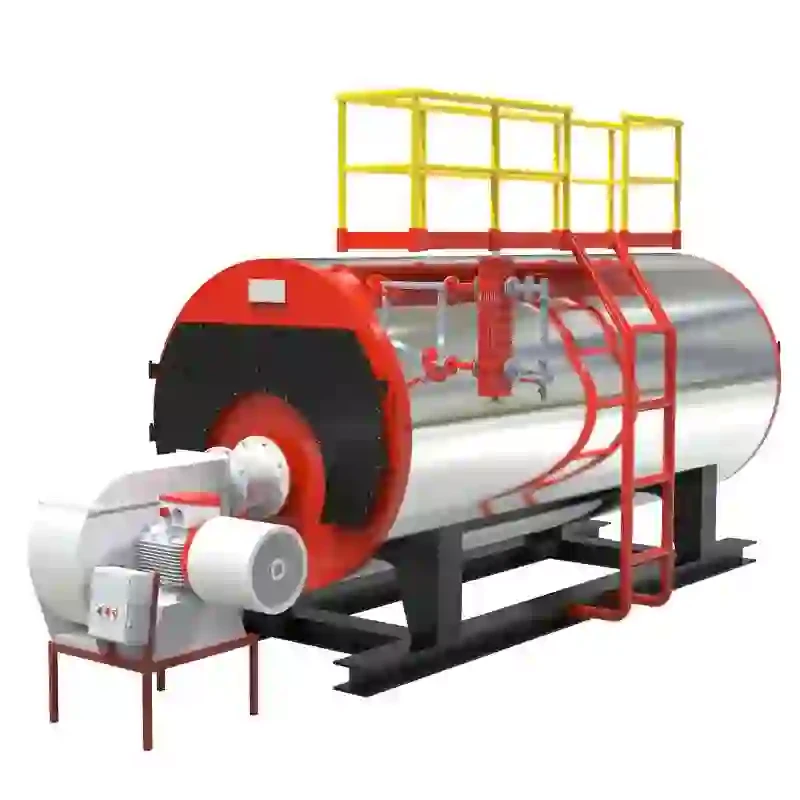
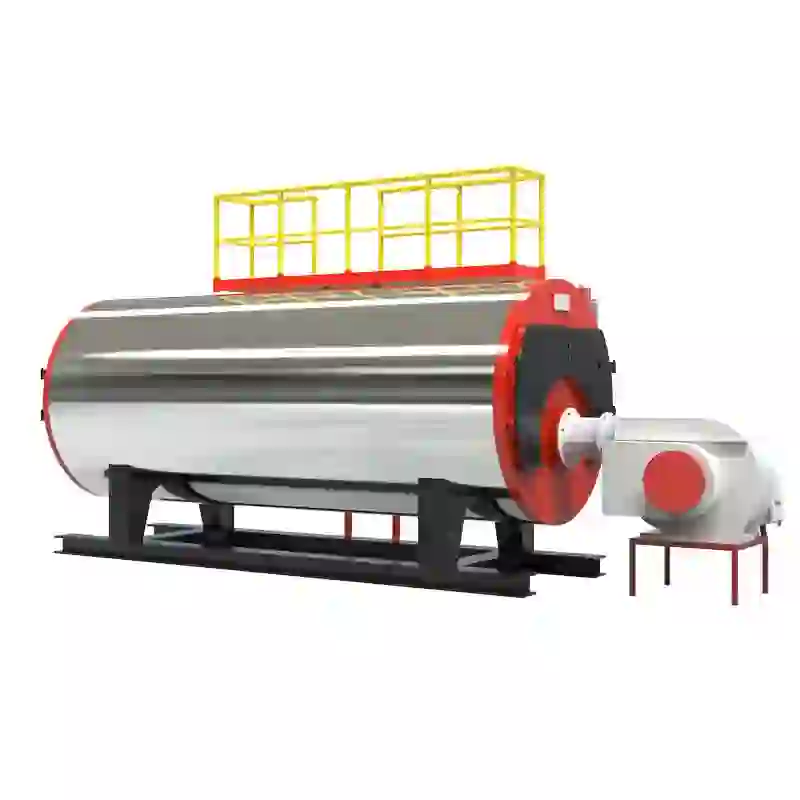
Working in the industrial equipment sector for over 15 years, I can say with some confidence that the commercial oil fired water boiler is one of those units that never really goes out of style — but it does quietly evolve. I remember when I first encountered these beasts on a freezing January morning at a bustling manufacturing plant. The oily smell, the heat radiating off the cast iron sections, and the steady rhythm of the burner firing up made an impression that stuck with me.
What’s fascinating, frankly, is how these boilers marry old-school robustness with surprisingly modern engineering tweaks. You get cast iron housings, which have been around for decades, but inside there’s often sophisticated burner controls and improved fuel atomization that reduce emissions and improve efficiency. In real terms, that means less fuel burned per pound of steam or hot water delivered, which matters for both your wallet and regulations.
Often, people overlook how much testing and materials science goes into these units. Many manufacturers now run extensive durability cycles and use high-grade steel for the burner components to resist corrosion and extend service life. I’ve seen boilers in harsh industrial environments last upward of 20 years with regular maintenance — kind of unheard of with other heating equipment.
Below is a handy rundown of typical specs you can expect when shopping for a commercial oil fired water boiler. Just to put this into perspective, size and firing rate will vary widely depending on the application — from small commercial kitchens up to large multi-story buildings.
| Specification | Typical Range | Notes |
|---|---|---|
| Fuel Type | No. 2 Fuel Oil (diesel) | Clean-burning, widely available |
| Heat Input | 200,000 - 2,000,000 BTU/hr | Varies by model and application |
| Boiler Type | Cast iron sectional | Allows easy maintenance and part replacement |
| Efficiency | Up to 86% AFUE | Higher than older designs due to burner improvements |
| Water Pressure | 30 - 60 psi (operating) | Typical for commercial hot water systems |
Now, I’m often asked how to pick the right vendor. You’d think they’re all the same, but here’s where experience counts. I’ve seen projects dragged down because a supplier didn’t have solid after-sales support, or couldn’t provide parts quickly. On the other hand, vendors that also offer fast commissioning and seasonal tune-ups can save you headaches down the line. The table below compares three reputable vendors in this space.
| Vendor | Product Range | Warranty | Support | Lead Time |
|---|---|---|---|---|
| HZ Steam Boiler Co. | 200k - 2M BTU/hr | 2 years | 24/7 technical support | 2-4 weeks |
| Alpha Boilers Ltd. | 150k - 1.5M BTU/hr | 1.5 years | Business hours only | 4-6 weeks |
| BoilerTech Solutions | 100k - 1.8M BTU/hr | 3 years | Limited weekends | 3-5 weeks |
Speaking of customers, I recall one small commercial bakery I helped outfit with a modest commercial oil fired water boiler. Their old system was inconsistent—hot water would dip during peak hours, causing production delays. After switching to a modern cast iron sectional boiler with advanced burner controls from HZ Steam Boiler Co., they noticed not only steadier temperatures but also a measurable drop in fuel bills within the first quarter. It feels like these machines often get overlooked, but they really can transform operations.
If you’re weighing options, keep in mind that customization and installer experience play huge roles. It’s not just about picking the highest BTU output; it’s about how well the system integrates with your existing piping, your fuel supply, and your maintenance regimen.
So, in closing… if you want a heating system that’s proven, adaptable, and backed by years of industry know-how, a commercial oil fired water boiler still holds a top spot in my book. And honestly, the technology keeps getting better at squeezing value from every drop of oil.
Thanks for reading. I hope these insights help you navigate what can feel like an overwhelming market.
References:
1. ASME Boiler & Pressure Vessel Code,
2. U.S. Department of Energy Boiler Efficiency Standards,
3. Industry interviews and personal experience.
-
Industrial Natural Gas Steam Boiler High Efficiency System Guide
NewsApr.16,2026
-
Maximize Industrial Productivity with High Efficiency Gas Steam Boiler
NewsApr.09,2026
-
Comprehensive Guide to Industrial Steam Heater Systems and Applications
NewsApr.07,2026
-
Comprehensive Guide to Low Pressure Steam Boilers and Their Applications
NewsApr.04,2026
-
Understanding High Pressure Steam Boiler Technology and Industrial Applications
NewsMar.31,2026
-
Comprehensive Guide to High Efficiency Steam Boiler Systems and Applications
NewsMar.28,2026


 English
  Arabic
  Bengali
  French
  German
  Hindi
Hindi  Indonesian
  Kazakh
  Khmer
Khmer  Korean
  Kyrgyz
  Lao
Lao  Latin
Latin  Mongolian
  Nepali
  Russian
  Turkish
  Turkmen
  Uzbek
Uzbek 


