




Dec . 03, 2025 17:06 Back to list
Biomass Fired Hot Water Boiler – Industrial Sustainable Heating Solutions
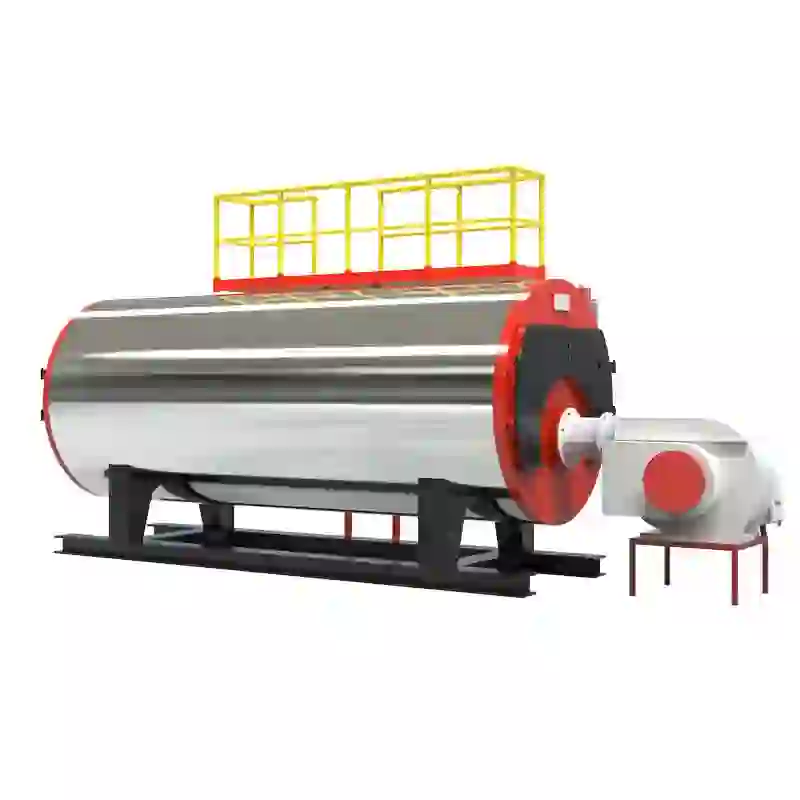
Exploring the Benefits of a biomass fired hot water boiler for Industrial Use
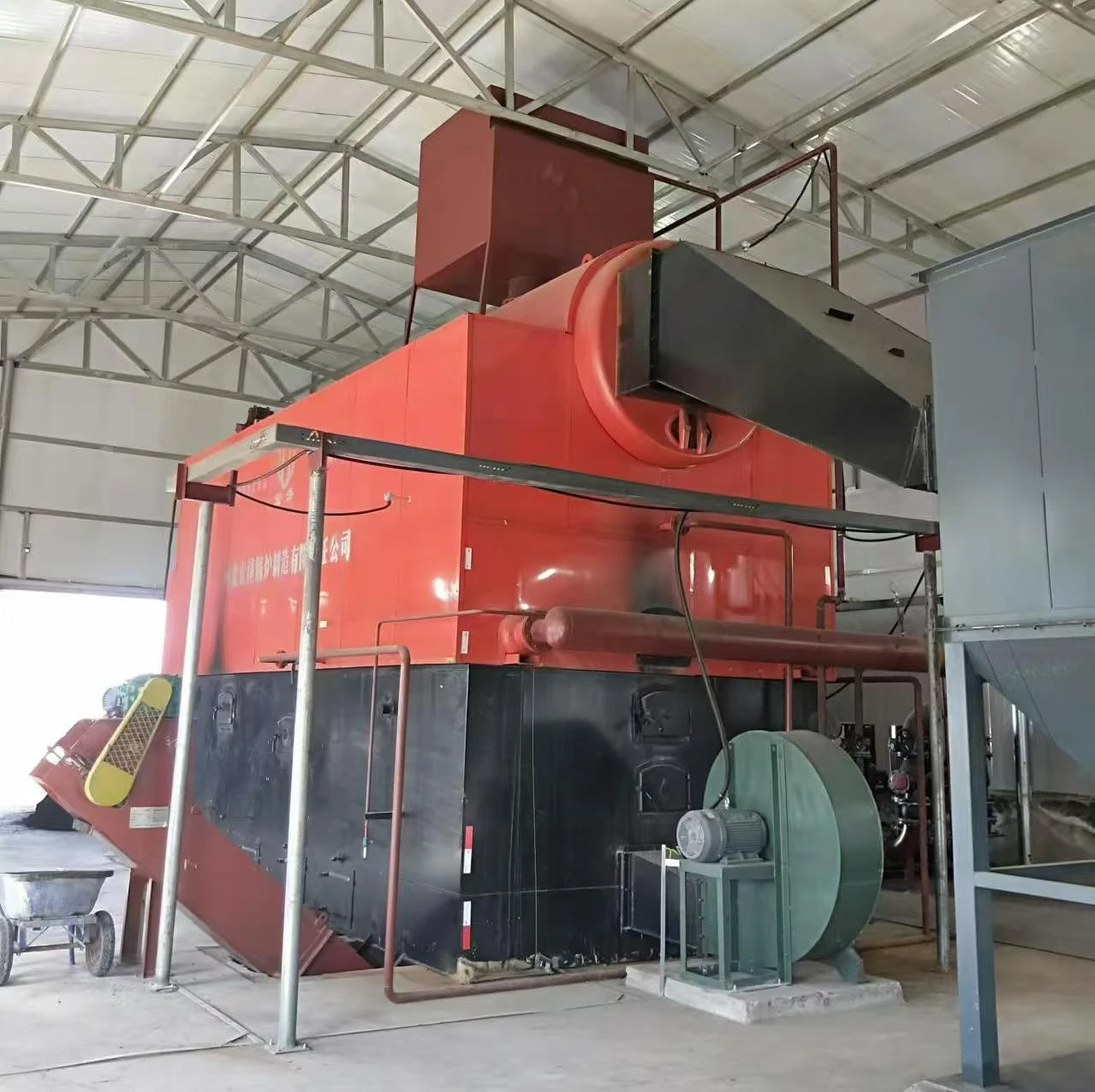
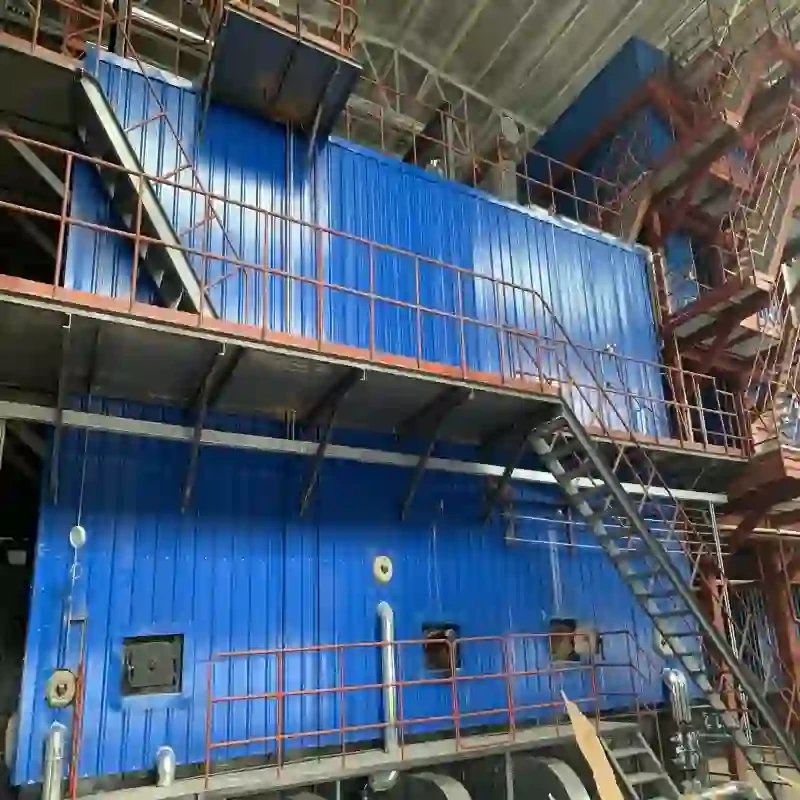
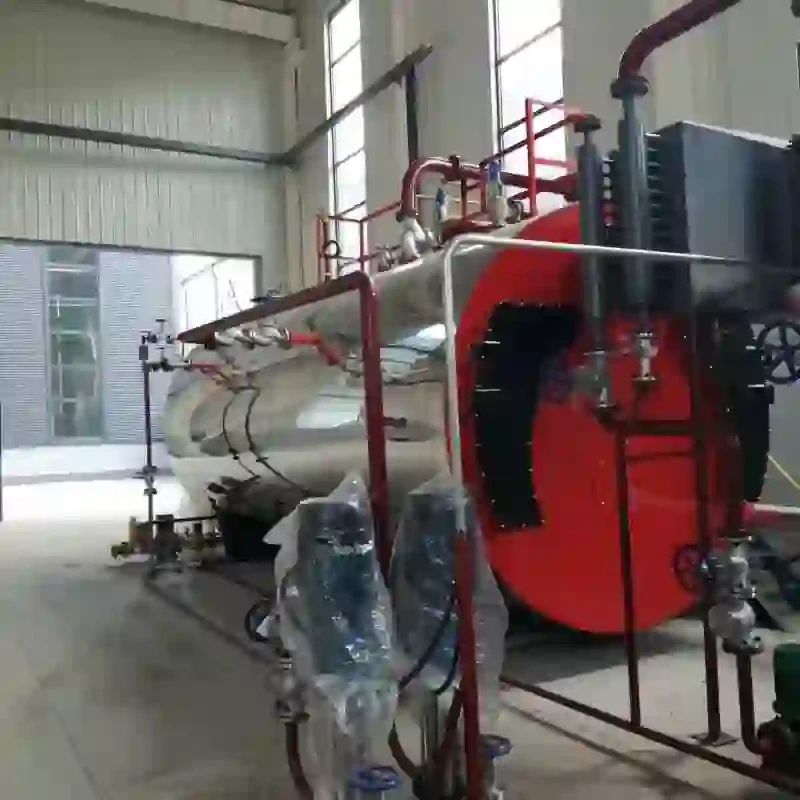
Having spent a fair chunk of my career around industrial heating and energy solutions, I’ve come to appreciate just how pivotal biomass fired hot water boilers have become in today’s sustainable energy landscape. You know, it’s one thing to hear about “green tech” in meetings and quite another to see these boilers in action on the factory floor, humming away quietly, turning what was once waste into reliable heat.
Oddly enough, biomass boilers have this almost artisanal quality for such large-scale equipment. It feels like a blend of old-school engineering meets cutting-edge environmental awareness. The core idea is simple: burn renewable organic materials—wood chips, pellets, agricultural residues—to produce hot water for heating or process needs. But the devil, as always, is in the details.
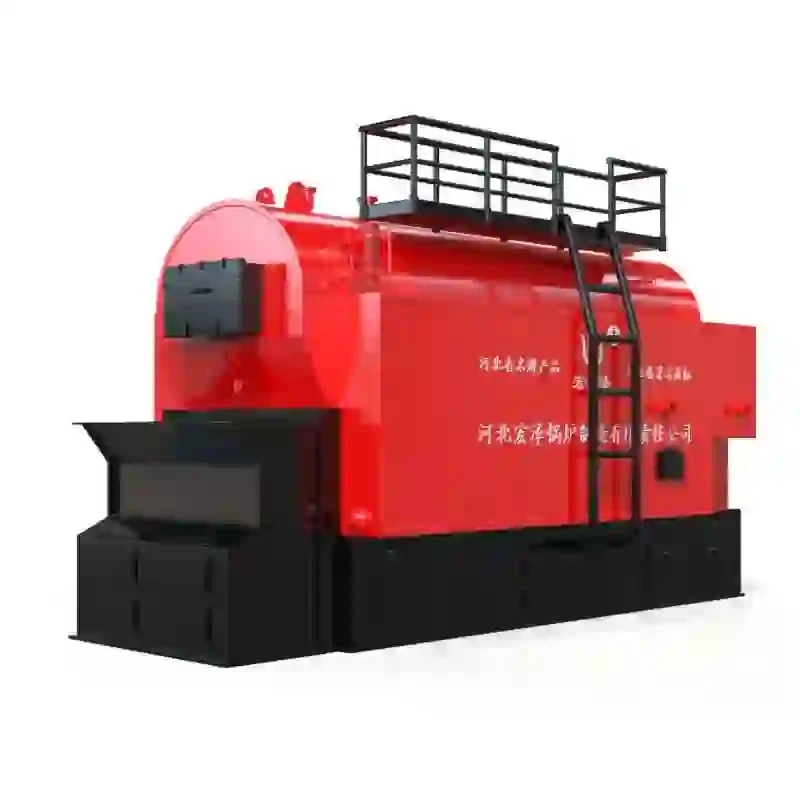
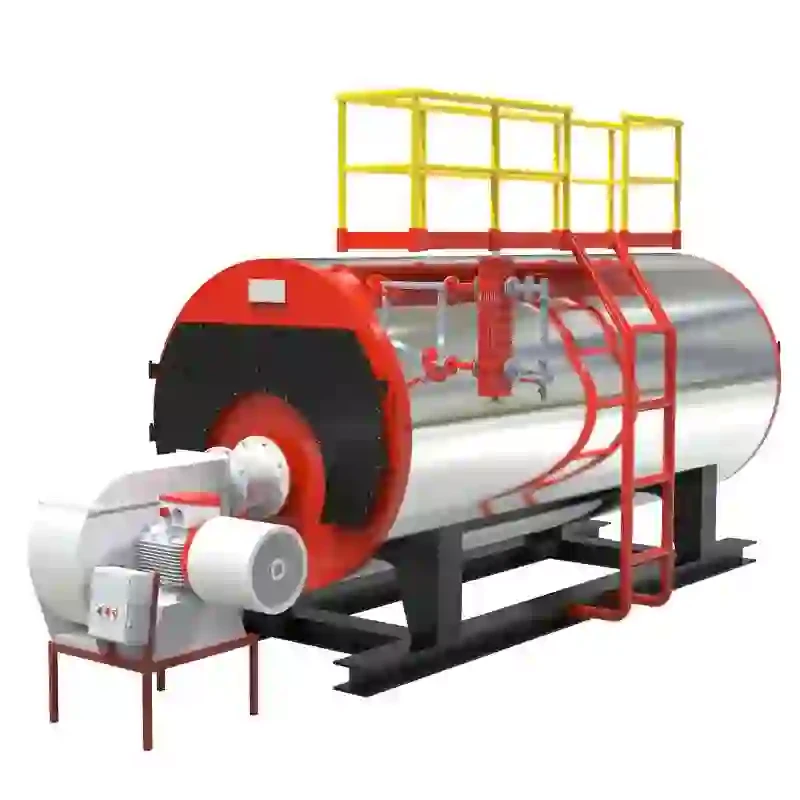
In real terms, the design revolves around a combustion chamber optimized for efficient fuel burning, paired with a heat exchanger that transfers that thermal energy to water without wastage. Many engineers say that the quality of materials, especially steel grades used in the pressure parts and corrosion-resistant coatings, defines a boiler’s longevity. You can find ones built with carbon steel, but I personally lean towards those utilizing alloyed steels that handle the acidity of biomass combustion products better.
Testing, frankly, often goes deeper than advertised. Beyond basic pressure and leak tests, the top-tier biomass fired hot water boilers go through heat cycle testing and durability trials under fluctuating loads. It’s a solid way to avoid unexpected downtime, something I’ve witnessed bite inexperienced operators hard.
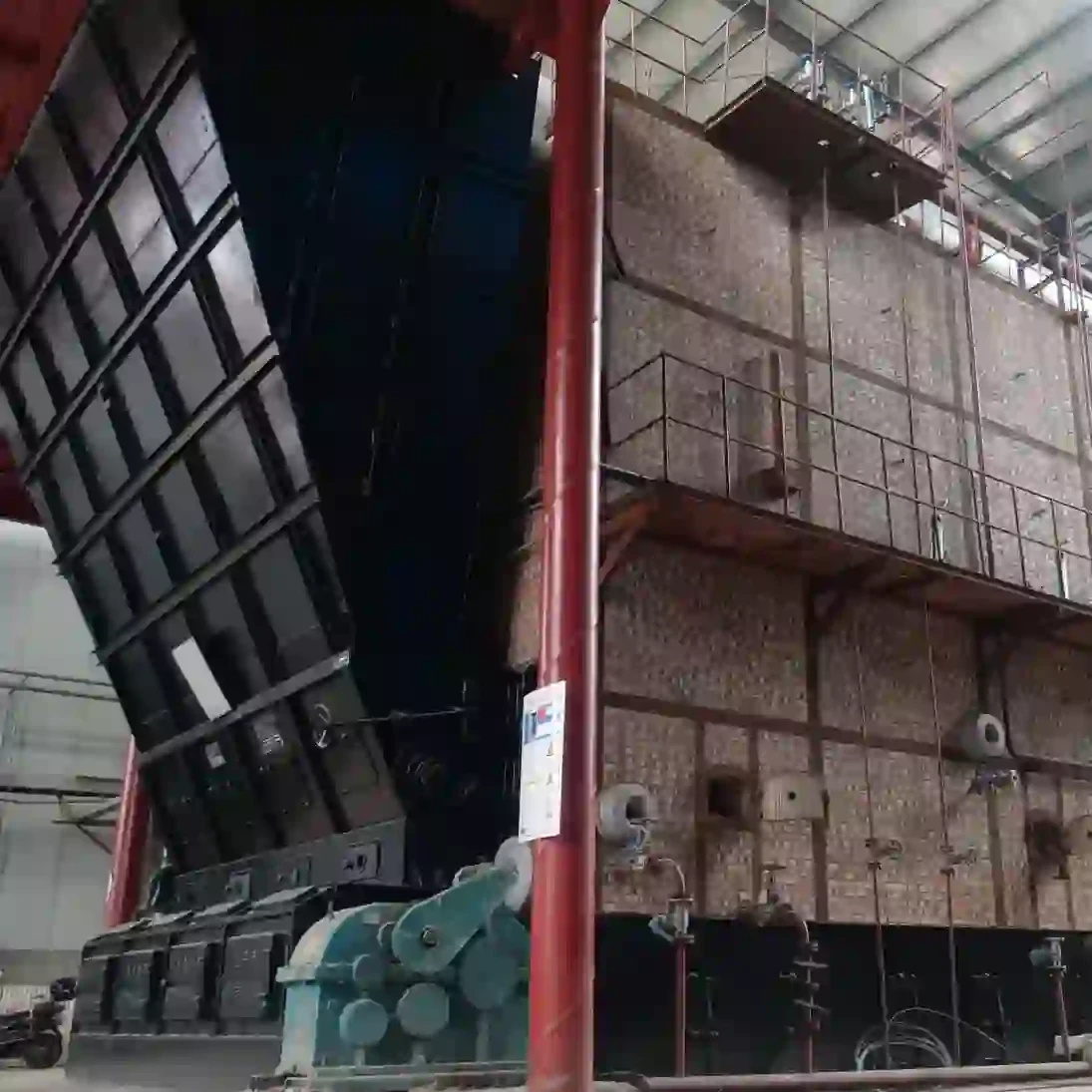
Now about customization — this is where manufacturers and users really collaborate. Some customers require integration with existing heat distribution systems while others want automatic feed and ash removal to reduce manual labor. I remember a client who needed a boiler matched precisely to their seasonal agricultural waste availability. The bespoke fuel feed system was a game changer for them, boosting both uptime and fuel efficiency.
| Parameter | Details |
|---|---|
| Heating Capacity | 500 kW – 5,000 kW |
| Fuel Type | Wood chips, pellets, agricultural waste |
| Water Temperature Range | 60°C to 110°C |
| Fuel Feeding System | Automated screw conveyor or hydraulic feeding |
| Emission Standards | Complies with EU Stage 5 / EPA regulations |
| Control System | PLC-based with remote monitoring |
When it comes to picking a vendor — and this is a recurring theme in my decades in the field — price isn’t the only factor. Support and customization capabilities matter just as much, sometimes more. To help clarify some options, here’s a quick comparison chart of three well-known biomass boiler suppliers I’ve had hands-on experience with recently. Names are anonymized for fairness, but their business models and service approaches are representative.
| Feature | Vendor A | Vendor B | Vendor C |
|---|---|---|---|
| Customization Options | Extensive | Moderate | Basic |
| Pricing | $$$ | $$ | $ |
| After-Sales Support | 24/7 Remote & Onsite | Business hours only | Limited |
| Lead Time | 6-8 weeks | 4-6 weeks | 2-4 weeks |
| Emission Compliance | High (EU & EPA) | Moderate | Low |
The truth is, choosing the right biomass fired hot water boiler often comes down to understanding your site’s fuel supply characteristics, heat load fluctuations, and desired environmental standards. I remember a client who was hesitant at first—purchasing such a system felt like a leap. But after installation, they praised its quiet operation and cost savings enough to recommend it to others. That kind of word-of-mouth, frankly, still carries the most weight in our sector.
In closing, biomass boilers are not just machines but enablers of a cleaner industrial future. Their robust designs, adaptable configurations, and tangible environmental benefits make them a compelling choice for companies ready to embrace renewable heat solutions. Of course, the success depends on the right specs, solid vendor partnership, and thoughtful implementation.
A final takeaway? When investing in a biomass fired hot water boiler, think long term — the fuel source, maintenance, and local regulations all factor into the equation in ways that only hands-on experience can fully illuminate.
References:
1. Industrial Boiler Engineering Texts
2. EU Emissions Regulations for Biomass Boilers
3. Case Studies from Leading Biomass Boiler Vendors
-
Industrial Natural Gas Steam Boiler High Efficiency System Guide
NewsApr.16,2026
-
Maximize Industrial Productivity with High Efficiency Gas Steam Boiler
NewsApr.09,2026
-
Comprehensive Guide to Industrial Steam Heater Systems and Applications
NewsApr.07,2026
-
Comprehensive Guide to Low Pressure Steam Boilers and Their Applications
NewsApr.04,2026
-
Understanding High Pressure Steam Boiler Technology and Industrial Applications
NewsMar.31,2026
-
Comprehensive Guide to High Efficiency Steam Boiler Systems and Applications
NewsMar.28,2026


 English
  Arabic
  Bengali
  French
  German
  Hindi
Hindi  Indonesian
  Kazakh
  Khmer
Khmer  Korean
  Kyrgyz
  Lao
Lao  Latin
Latin  Mongolian
  Nepali
  Russian
  Turkish
  Turkmen
  Uzbek
Uzbek 


