




Apr . 09, 2026 02:15 Back to list
Maximize Industrial Productivity with High Efficiency Gas Steam Boiler
Maximizing Industrial Productivity with a High Efficiency Gas Steam Boiler
In the competitive landscape of modern industrial manufacturing, energy costs can make or break a company's profit margins. Implementing a high efficiency gas steam boiler is no longer just an upgrade—it is a strategic necessity. These advanced systems are engineered to convert fuel into thermal energy with minimal waste, significantly reducing carbon footprints while increasing steam output consistency. Whether you are operating in food processing, textiles, or chemical pharmaceuticals, understanding the mechanics of thermal efficiency is key to scaling your operations sustainably. In this guide, we will explore how these systems optimize energy use and why they are the preferred choice for global enterprises.
The Core Technology Behind High Efficiency Gas Steam Boilers
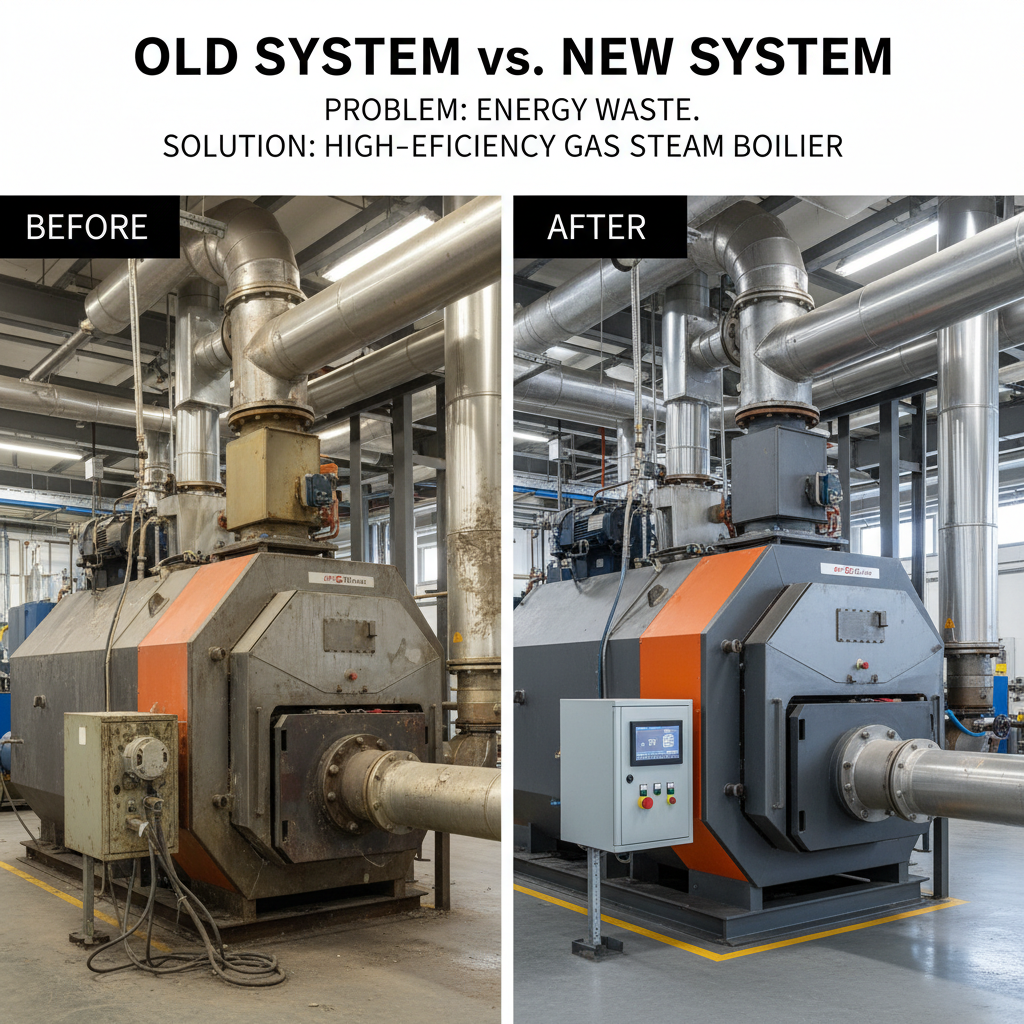
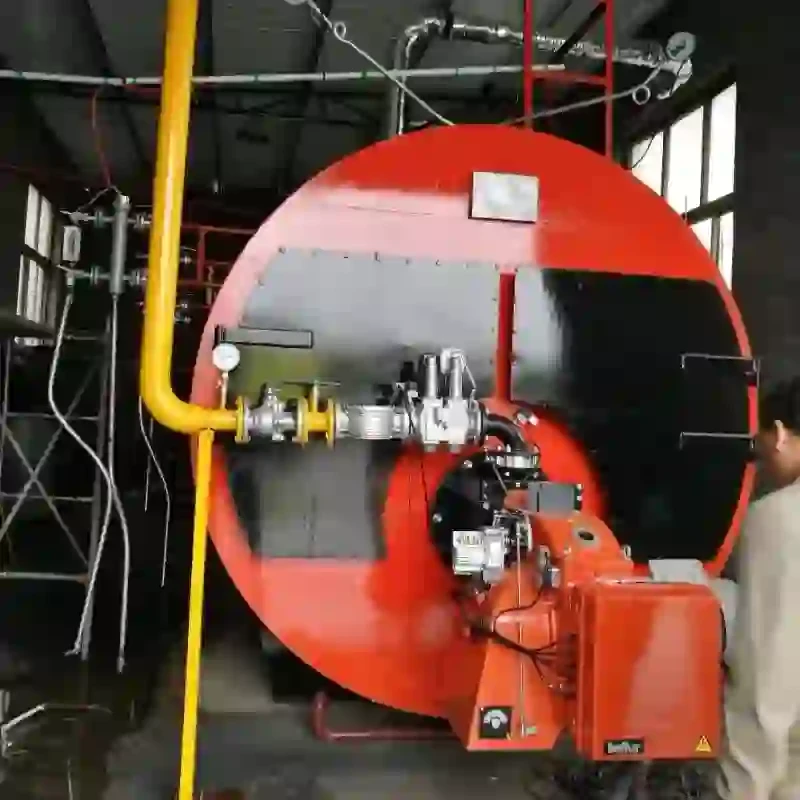
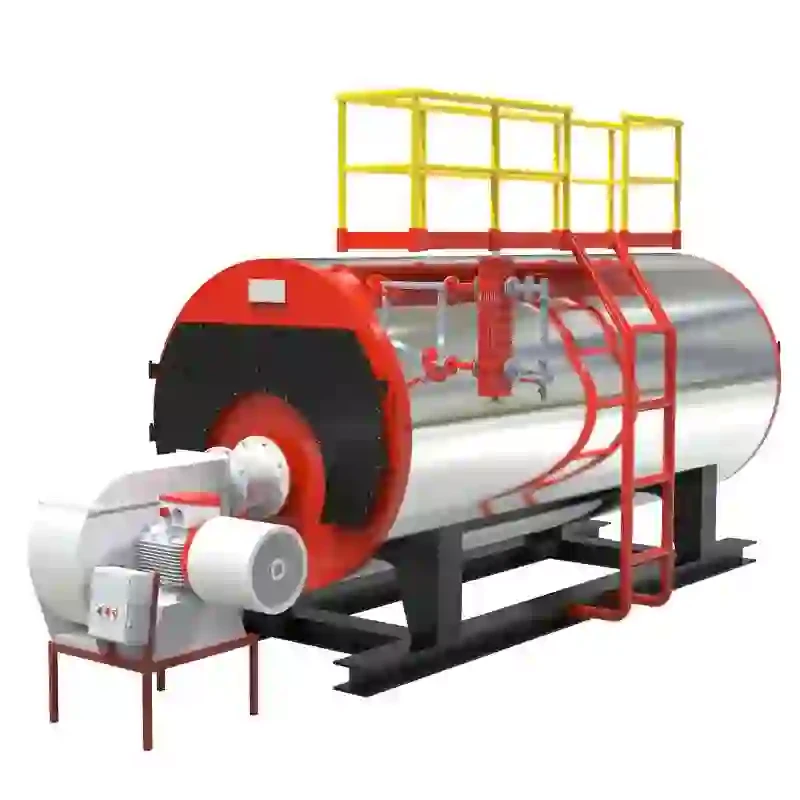
The secret to the performance of a high efficiency gas steam boiler lies in its heat exchange surface and combustion control. Modern units utilize condensing technology, which recovers latent heat from the exhaust gases that would otherwise be lost to the atmosphere. By cooling the flue gases below the dew point, the system recaptures energy to preheat the feed water. Additionally, the integration of modulated burners allows the boiler to adjust its flame intensity in real-time based on the actual steam demand, preventing the costly cycle of frequent shutdowns and restarts.
Technical Highlight: The use of multi-pass designs increases the path of the hot gases, ensuring that maximum thermal energy is transferred to the water before the gas exits the stack.
Comparing High Efficiency Gas Steam Boiler vs. Conventional Systems
When comparing a standard boiler to a high efficiency gas steam boiler, the most striking difference is the fuel-to-steam ratio. Conventional boilers often suffer from high radiation loss and inefficient combustion, leading to higher operational costs. In contrast, high-efficiency models utilize advanced materials and precision engineering to maintain high thermal stability. This results in not only lower fuel bills but also a reduction in maintenance intervals due to more stable operating temperatures.
Key Benefits of Investing in a High Efficiency Gas Steam Boiler
The decision to integrate a high efficiency gas steam boiler provides immediate financial and operational advantages. Firstly, the reduction in fuel procurement costs directly impacts the bottom line. Secondly, these boilers often come with automated control systems that reduce the need for constant manual supervision, lowering labor costs. Moreover, the stability of steam pressure ensures that downstream equipment operates at peak efficiency, reducing wear and tear on valves and turbines.
Economic & Environmental Impact:
• Up to 20% reduction in annual fuel expenditure
• Lower NOx and CO2 emissions for regulatory compliance
• Faster steam generation times (reduced startup lag)
• Extended equipment lifespan through optimized combustion
Typical Applications for High Efficiency Steam Solutions
Different industries have varying steam requirements, but the flexibility of a high efficiency gas steam boiler makes it adaptable to almost any thermal process. In the pharmaceutical industry, precise temperature control is critical for sterilization; these boilers provide the required stability. In the food and beverage sector, steam is used for blanching, cooking, and cleaning, where energy recovery can save thousands of dollars monthly. Additionally, the laundry and textile industries rely on high-volume steam for pressing and dyeing, where consistency is paramount.
Technical Specifications of Modern Boiler Systems
When selecting the right high efficiency gas steam boiler, it is essential to look at the technical specifications to ensure the unit matches your plant's capacity. Factors such as steam output (kg/h), working pressure, and fuel type (Natural Gas or LPG) determine the system's suitability. High-grade alloy steel is typically used for the boiler body to resist corrosion and withstand high pressure, while ceramic fiber insulation minimizes heat loss to the surroundings.
Maintenance Tips for Sustaining High Efficiency
To ensure your high efficiency gas steam boiler maintains its performance over time, a rigorous maintenance schedule is required. Scale buildup inside the tubes is the primary enemy of efficiency, as it acts as an insulator and increases fuel consumption. Implementing a high-quality water softening system is the first line of defense. Regularly checking the burner alignment and cleaning the heat exchange surfaces will prevent the gradual decline in thermal efficiency that often plagues poorly maintained systems.
Conclusion: Future-Proofing Your Plant with High-Efficiency Steam
Investing in a high efficiency gas steam boiler is a commitment to both economic sustainability and environmental responsibility. By reducing waste, lowering emissions, and ensuring a stable steam supply, businesses can achieve a significant competitive edge in their respective industries. As energy regulations tighten globally, upgrading to high-efficiency thermal equipment is the most effective way to future-proof your facility. Optimize your energy, protect your margins, and lead your industry toward a greener future.
Frequently Asked Questions (FAQs)
How much fuel can I actually save with a high efficiency gas steam boiler?
Depending on the efficiency of your current system, upgrading to a high-efficiency model can typically reduce fuel consumption by 10% to 25%. This is achieved through a combination of better insulation, condensing heat exchangers, and modulated combustion. For a medium-sized plant, these savings often translate into a full return on investment (ROI) within 18 to 36 months, making it one of the most cost-effective capital expenditures for industrial energy management.
Is it difficult to integrate a new high-efficiency boiler into an existing steam line?
Integration is generally straightforward, as most high efficiency gas steam boilers are designed to be compatible with standard industrial piping. However, it is recommended to evaluate your existing steam traps and insulation, as a more efficient boiler can reveal inefficiencies elsewhere in your distribution network. A professional site survey ensures that the new boiler's pressure and flow rates are perfectly matched to your existing infrastructure for seamless operation.
What is the role of water treatment in maintaining boiler efficiency?
Water treatment is critical. If hard water is used, calcium and magnesium deposits (scale) build up on the heat exchange surfaces. Even a thin layer of scale can significantly reduce the heat transfer rate, forcing the boiler to burn more gas to achieve the same steam temperature. By using a water softener or reverse osmosis system, you ensure the boiler operates at its peak designed efficiency and prevent premature tube failure, which drastically extends the equipment's lifespan.
How does condensing technology work in gas steam boilers?
Condensing technology works by extracting heat from the water vapor present in the exhaust gases. In a standard boiler, this vapor escapes through the chimney as waste. A condensing boiler uses a secondary heat exchanger to cool these gases, causing the vapor to condense back into liquid water, which releases a significant amount of latent heat. This heat is then used to warm the incoming feed water, pushing the overall system efficiency beyond 90%, often reaching levels that were previously impossible with traditional boiler designs.
-
Industrial Natural Gas Steam Boiler High Efficiency System Guide
NewsApr.16,2026
-
Comprehensive Guide to Industrial Steam Heater Systems and Applications
NewsApr.07,2026
-
Comprehensive Guide to Low Pressure Steam Boilers and Their Applications
NewsApr.04,2026
-
Understanding High Pressure Steam Boiler Technology and Industrial Applications
NewsMar.31,2026
-
Comprehensive Guide to High Efficiency Steam Boiler Systems and Applications
NewsMar.28,2026


 English
  Arabic
  Bengali
  French
  German
  Hindi
Hindi  Indonesian
  Kazakh
  Khmer
Khmer  Korean
  Kyrgyz
  Lao
Lao  Latin
Latin  Mongolian
  Nepali
  Russian
  Turkish
  Turkmen
  Uzbek
Uzbek 


