




Feb . 11, 2026 02:10 Back to list
Maximizing Steam Boiler Efficiency for Optimal Performance and Cost Savings
Maximizing Steam Boiler Efficiency: A Comprehensive Guide
Improving steam boiler efficiency is crucial for reducing operational costs, minimizing environmental impact, and ensuring optimal performance. This article explores the factors affecting boiler efficiency, practical strategies for improvement, and the latest technologies available. Understanding these principles allows businesses to maximize energy savings and extend the lifespan of their boiler systems. We will delve into maintenance best practices, combustion optimization, and the role of advanced controls.
Understanding the Factors Affecting Steam Boiler Efficiency
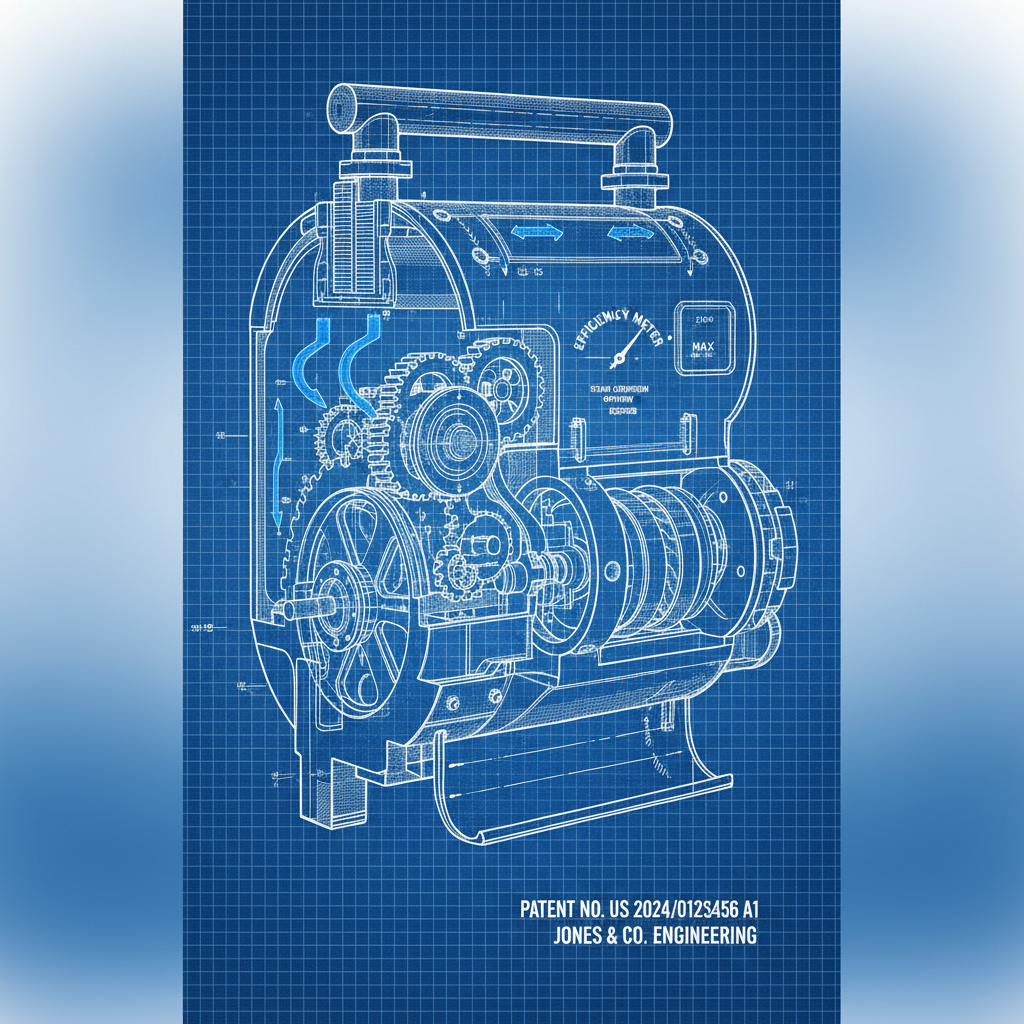
Several key factors contribute to the overall efficiency of a steam boiler. These include fuel quality, combustion air temperature, heat transfer surface cleanliness, steam trap performance, and insulation effectiveness. Poor fuel quality can lead to incomplete combustion and reduced heat release. Cold combustion air requires more energy to heat up, decreasing overall efficiency. Fouled heat transfer surfaces act as insulation, hindering heat transfer to the water. Leaking or malfunctioning steam traps waste valuable steam energy. Finally, inadequate insulation results in heat loss to the surrounding environment. Addressing each of these factors is essential for achieving optimal performance.
Key Highlights: Fuel quality, combustion air temperature, heat transfer surface cleanliness, steam trap performance, and insulation effectiveness are critical factors impacting boiler efficiency. Regular monitoring and maintenance are essential.
Combustion Optimization for Improved Steam Boiler Efficiency
Optimizing combustion is paramount for maximizing steam boiler efficiency. Maintaining the correct air-fuel ratio is critical. Too much air reduces efficiency by carrying heat up the stack, while too little air results in incomplete combustion and the formation of soot and carbon monoxide. Regularly analyzing flue gases to measure oxygen levels and carbon monoxide is essential. Adjusting the burner settings based on these measurements ensures optimal combustion. Proper burner maintenance, including cleaning and calibration, is also vital. Advanced combustion control systems can automate this process, continuously adjusting air and fuel flow to maintain peak efficiency.
Combustion Optimization Benefits:
• Reduced fuel consumption
• Lower emissions
• Improved heat transfer
• Minimized soot formation
Steam Trap Monitoring and Maintenance: A Key to Efficiency
Steam traps are critical components in a steam system, responsible for removing condensate without losing live steam. Faulty steam traps can lead to significant energy losses. Regular steam trap surveys are crucial to identify and repair or replace malfunctioning traps. There are various methods for steam trap testing, including visual inspection, temperature sensing, and ultrasonic detection. Implementing a preventative maintenance program ensures that steam traps operate efficiently, maximizing steam quality and minimizing energy waste. HZ Steam Boiler provides comprehensive steam trap testing and maintenance services.
Advanced Technologies for Boosting Steam Boiler Efficiency
Several advanced technologies can significantly enhance steam boiler efficiency. These include oxygen trim control, variable frequency drives (VFDs) for pumps and fans, and waste heat recovery systems. Oxygen trim control automatically adjusts combustion air to maintain optimal air-fuel ratio, maximizing efficiency and minimizing emissions. VFDs allow pumps and fans to operate at variable speeds, matching energy consumption to actual demand. Waste heat recovery systems capture heat from flue gases and use it to preheat feedwater, further reducing fuel consumption. Implementing these technologies requires investment, but the long-term energy savings and environmental benefits can be substantial.
Insulation and Heat Loss Reduction
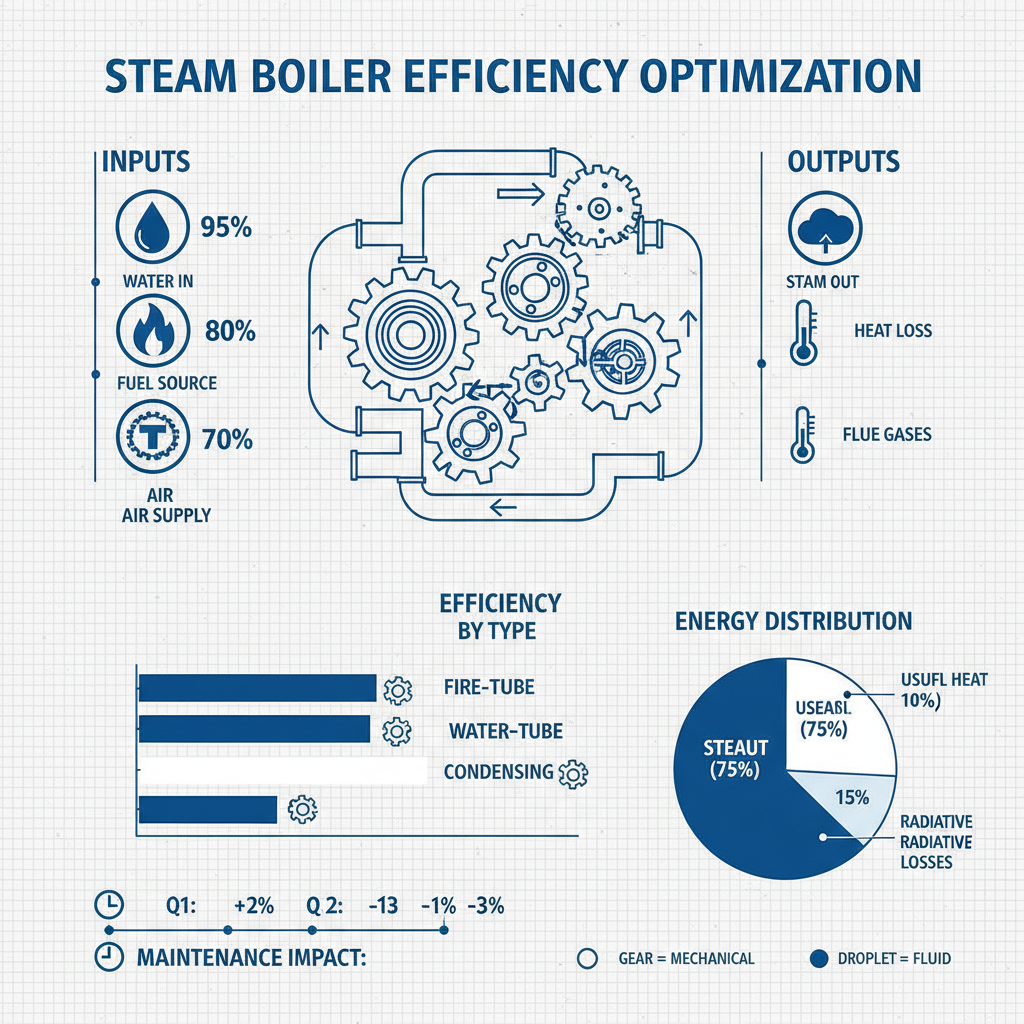
Proper insulation is a fundamental aspect of maintaining steam boiler efficiency. Heat loss through uninsulated surfaces significantly reduces overall performance. Regularly inspect insulation for damage or deterioration and repair or replace it as needed. Pay particular attention to steam pipes, valves, and fittings. The thickness and type of insulation should be appropriate for the operating temperature and environment. Effective insulation minimizes heat loss, reducing fuel consumption and improving system efficiency. HZ Steam Boiler offers insulation solutions tailored to your specific needs.
Conclusion: Investing in Steam Boiler Efficiency
Investing in steam boiler efficiency is a smart business decision. By implementing the strategies outlined in this article – from combustion optimization and steam trap maintenance to advanced technologies and insulation improvements – you can significantly reduce operating costs, minimize environmental impact, and maximize the lifespan of your boiler systems. Don't let wasted energy compromise your bottom line – prioritize steam boiler efficiency today.
Frequently Asked Questions (FAQs)
What is a typical steam boiler efficiency rate?
A typical steam boiler efficiency rate varies depending on age, technology, and maintenance. Older boilers may operate at 70-80% efficiency, while modern high-efficiency boilers can achieve 90% or higher. Condensing boilers, which recover latent heat from exhaust gases, can reach efficiencies of 95% or even 98%. Regular maintenance and optimization are crucial for maintaining and improving efficiency.
How often should a steam boiler be inspected?
Steam boilers should be inspected at least annually by a qualified and certified inspector. These inspections include a thorough examination of the boiler's pressure vessel, safety devices, controls, and piping. More frequent inspections may be required depending on the boiler's age, usage, and local regulations. Regular inspections help identify potential problems before they lead to costly repairs or safety hazards.
What are the benefits of waste heat recovery?
Waste heat recovery captures heat that would otherwise be lost to the atmosphere and uses it for other purposes, such as preheating feedwater or generating electricity. This significantly reduces fuel consumption, lowers operating costs, and minimizes greenhouse gas emissions. Waste heat recovery systems are a sustainable and cost-effective way to improve overall energy efficiency.
How can I improve the efficiency of my steam distribution system?
Improving steam distribution efficiency involves minimizing steam leaks, properly insulating steam pipes, and ensuring condensate is returned to the boiler promptly. Regular leak detection and repair programs, combined with effective insulation, can significantly reduce steam losses. Implementing a condensate return system prevents the loss of valuable water and energy.
-
Industrial Natural Gas Steam Boiler High Efficiency System Guide
NewsApr.16,2026
-
Maximize Industrial Productivity with High Efficiency Gas Steam Boiler
NewsApr.09,2026
-
Comprehensive Guide to Industrial Steam Heater Systems and Applications
NewsApr.07,2026
-
Comprehensive Guide to Low Pressure Steam Boilers and Their Applications
NewsApr.04,2026
-
Understanding High Pressure Steam Boiler Technology and Industrial Applications
NewsMar.31,2026
-
Comprehensive Guide to High Efficiency Steam Boiler Systems and Applications
NewsMar.28,2026


 English
  Arabic
  Bengali
  French
  German
  Hindi
Hindi  Indonesian
  Kazakh
  Khmer
Khmer  Korean
  Kyrgyz
  Lao
Lao  Latin
Latin  Mongolian
  Nepali
  Russian
  Turkish
  Turkmen
  Uzbek
Uzbek 


