




Sep . 24, 2024 03:10 Back to list
How Industrial Biomass Boilers Operate and Their Key Components for Efficient Energy Production
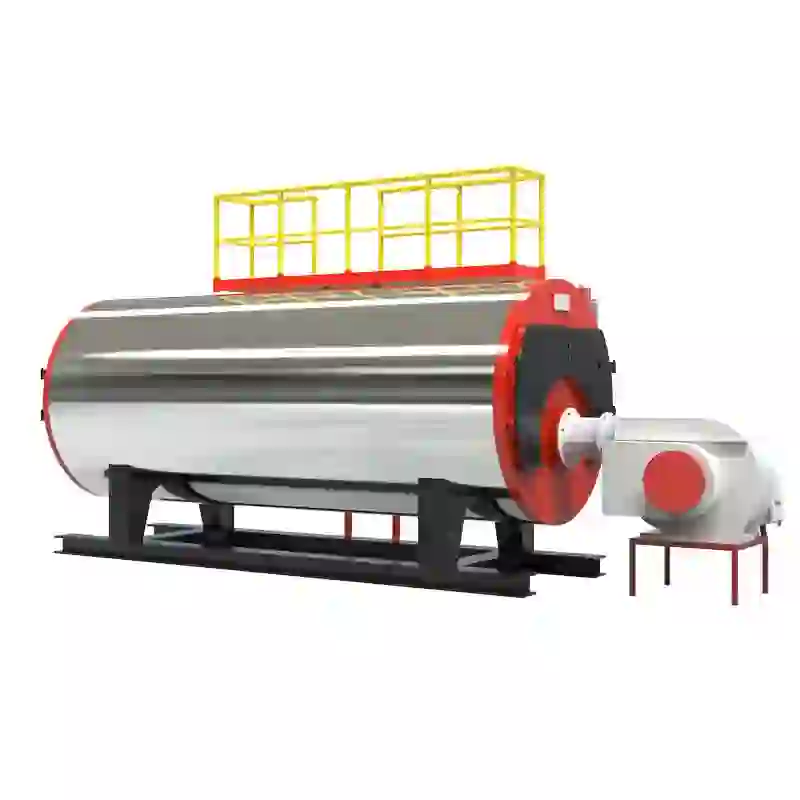
How Does an Industrial Biomass Boiler Work?
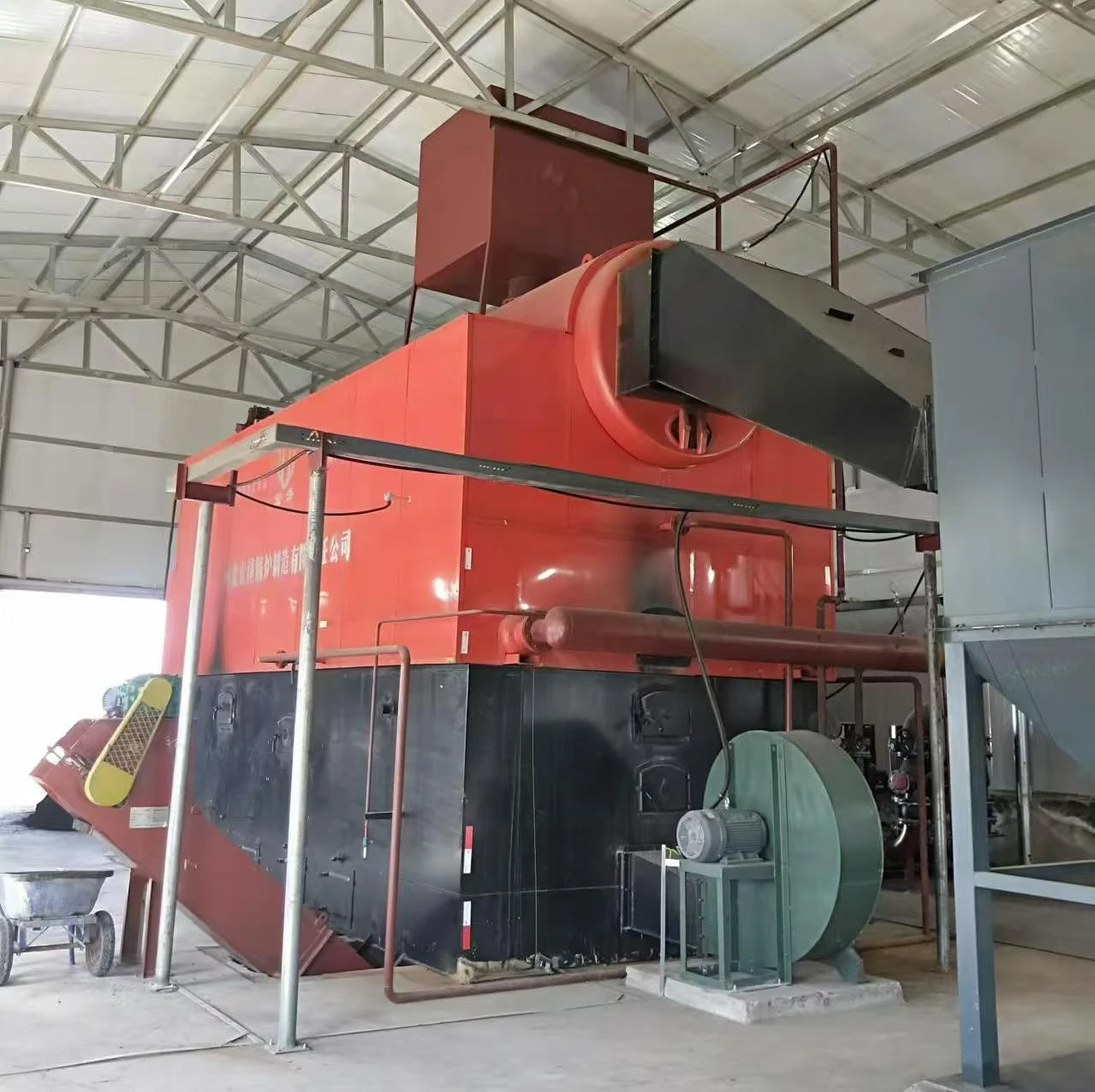
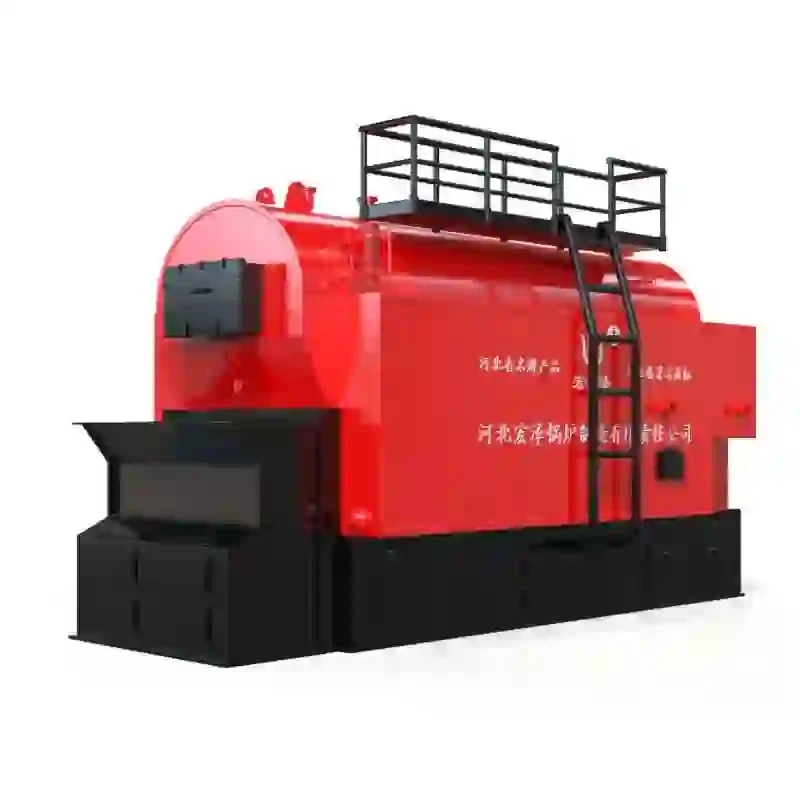
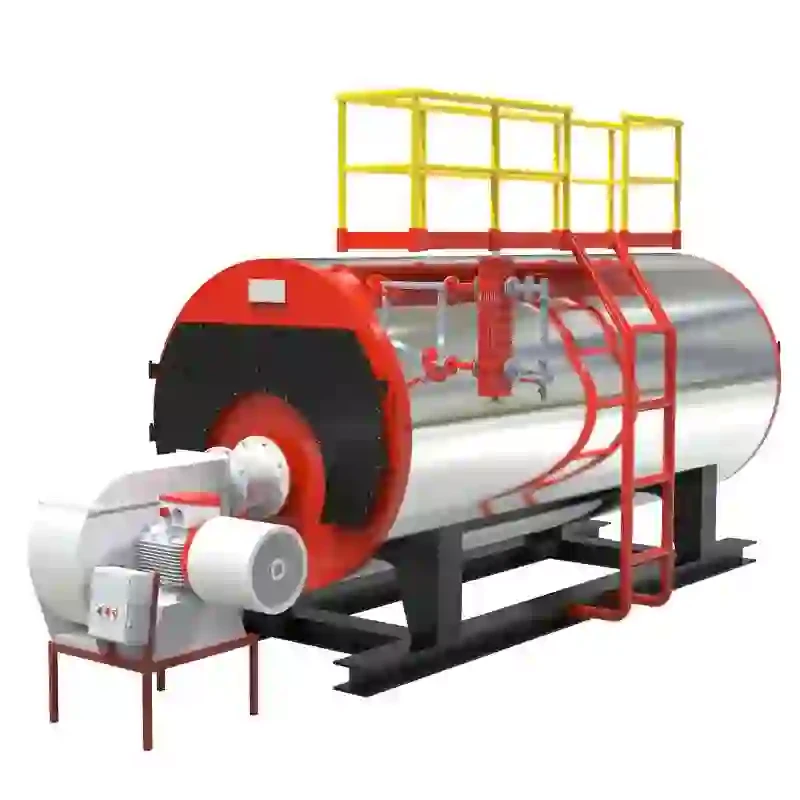
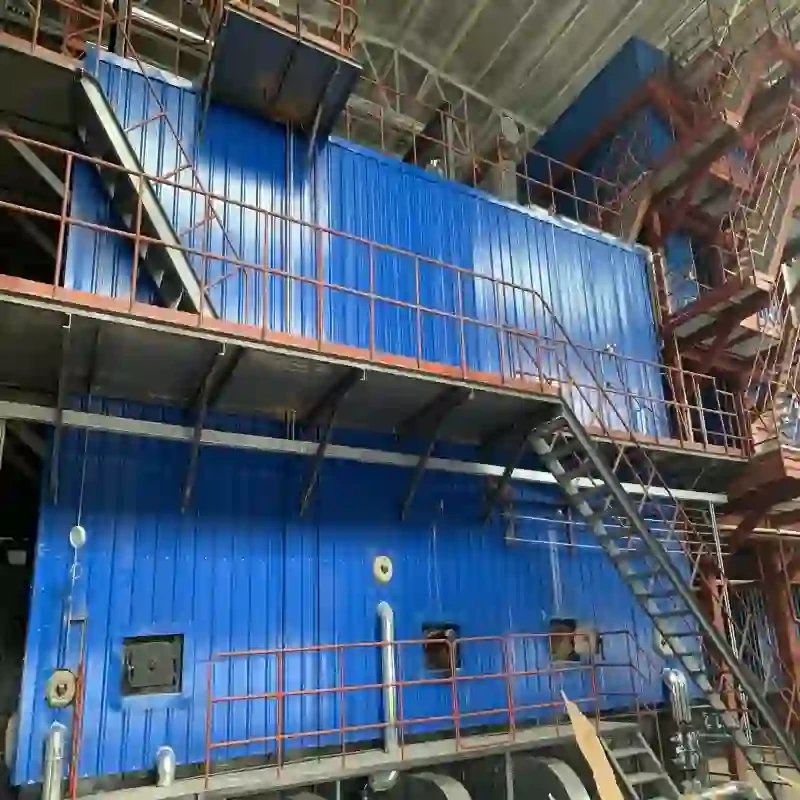
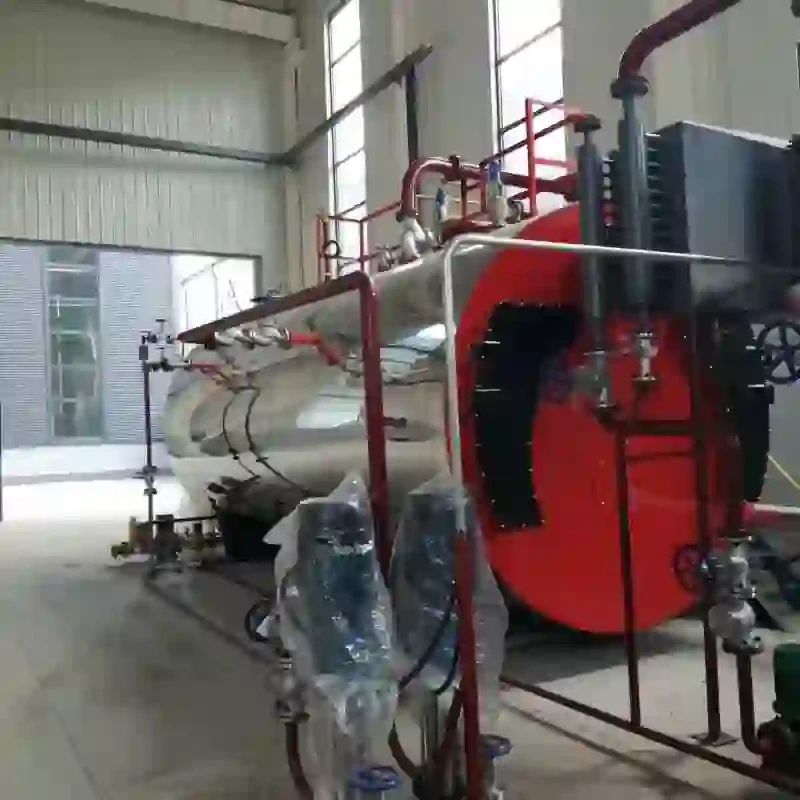
An industrial biomass boiler is an efficient and environmentally friendly solution for producing steam and heat through the combustion of organic materials. Biomass refers to biological materials derived from plants and animals, which can include wood chips, agricultural residues, and organic waste. The process of converting these materials into energy involves several key steps.
First, biomass fuel is collected and processed. This often includes drying, chipping, or pelleting to optimize the biomass for combustion. Properly prepared fuel ensures efficient burning and maximum energy output. The quality and type of biomass can vary significantly, impacting the overall performance of the boiler.
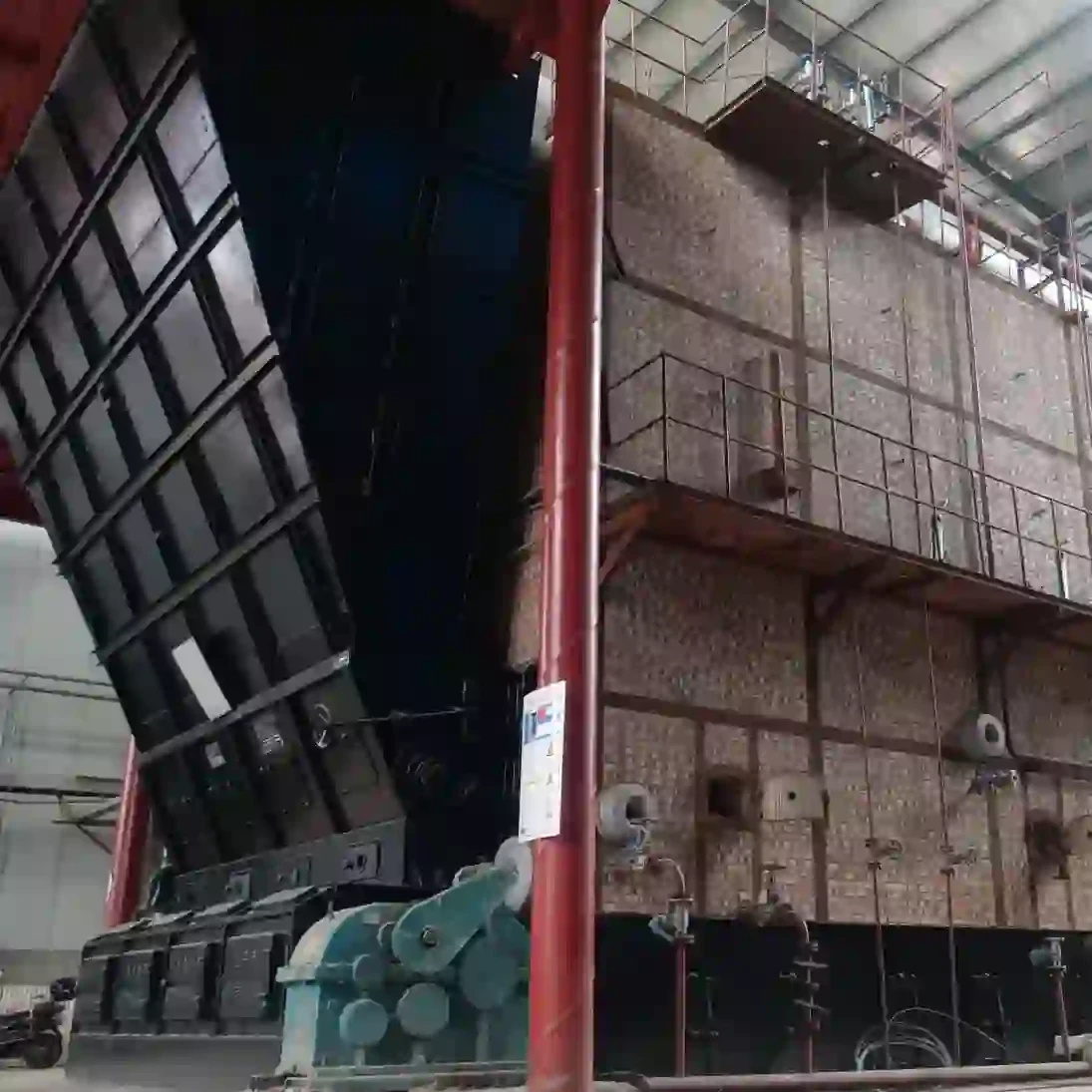
Once prepared, the biomass is fed into the combustion chamber of the boiler. Here, it is ignited, producing heat through combustion. The heat generated from burning biomass is used to raise the temperature of water in the boiler's system. The combustion process is designed to operate at high efficiency, with a focus on minimizing emissions. Advanced combustion technology and emission control systems are often employed to reduce pollutants such as particulate matter and nitrogen oxides.
how does an industrial biomass boiler work

As the water in the boiler heats up, steam is produced. This steam is then directed to various applications, such as powering turbines for electricity generation or providing process heat for industrial operations. The steam can also be utilized for space heating in industrial facilities.
After combustion, the remaining ash and char are collected from the boiler. This solid waste can be repurposed as a soil amendment or used in other applications, further enhancing the sustainability of biomass systems. Additionally, modern biomass boilers often incorporate automated systems for fuel feeding and ash removal, minimizing operational labor and increasing efficiency.
In summary, industrial biomass boilers provide a renewable energy source by converting organic materials into heat and steam. They play a vital role in reducing fossil fuel dependence and lowering greenhouse gas emissions. With advancements in technology and increasing awareness of environmental issues, biomass boilers are becoming a prominent choice for industries looking to embrace sustainable energy solutions. As demand for cleaner energy sources grows, the role of biomass boilers in industrial energy production is set to expand.
-
Hot Water Boiler Working Principle Explained: Efficiency, Applications, and Innovations
NewsDec.03,2025
-
Hot Water Boiler Design: Global Insights, Innovations, and Applications
NewsDec.03,2025
-
Understanding Hot Water Heat Boiler Replacement Cost: Factors, Benefits & Trends
NewsDec.03,2025
-
1 Million BTU Steam Boiler - Efficient Steam Solutions for Industry
NewsDec.02,2025
-
250 000 BTU Steam Boiler: Comprehensive Guide to Industrial Steam Power
NewsDec.02,2025
-
What You Need to Know About the 300 000 BTU Steam Boiler: Efficiency & Applications
NewsDec.02,2025


 English
  Arabic
  Bengali
  French
  German
  Hindi
Hindi  Indonesian
  Kazakh
  Khmer
Khmer  Korean
  Kyrgyz
  Lao
Lao  Latin
Latin  Mongolian
  Nepali
  Russian
  Turkish
  Turkmen
  Uzbek
Uzbek 


