




Apr . 07, 2026 02:05 Back to list
Comprehensive Guide to Industrial Steam Heater Systems and Applications
Industrial Steam Heater: A Comprehensive Guide
An industrial steam heater is a critical component in numerous industrial processes, providing efficient and reliable heat for a variety of applications. From manufacturing and power generation to food processing and chemical production, steam heaters play a vital role. This article provides an in-depth exploration of industrial steam heaters, covering their types, benefits, applications, and considerations for selection and maintenance. Understanding these systems is key to optimizing your industrial operations and ensuring long-term efficiency.
Understanding Different Types of Industrial Steam Heaters
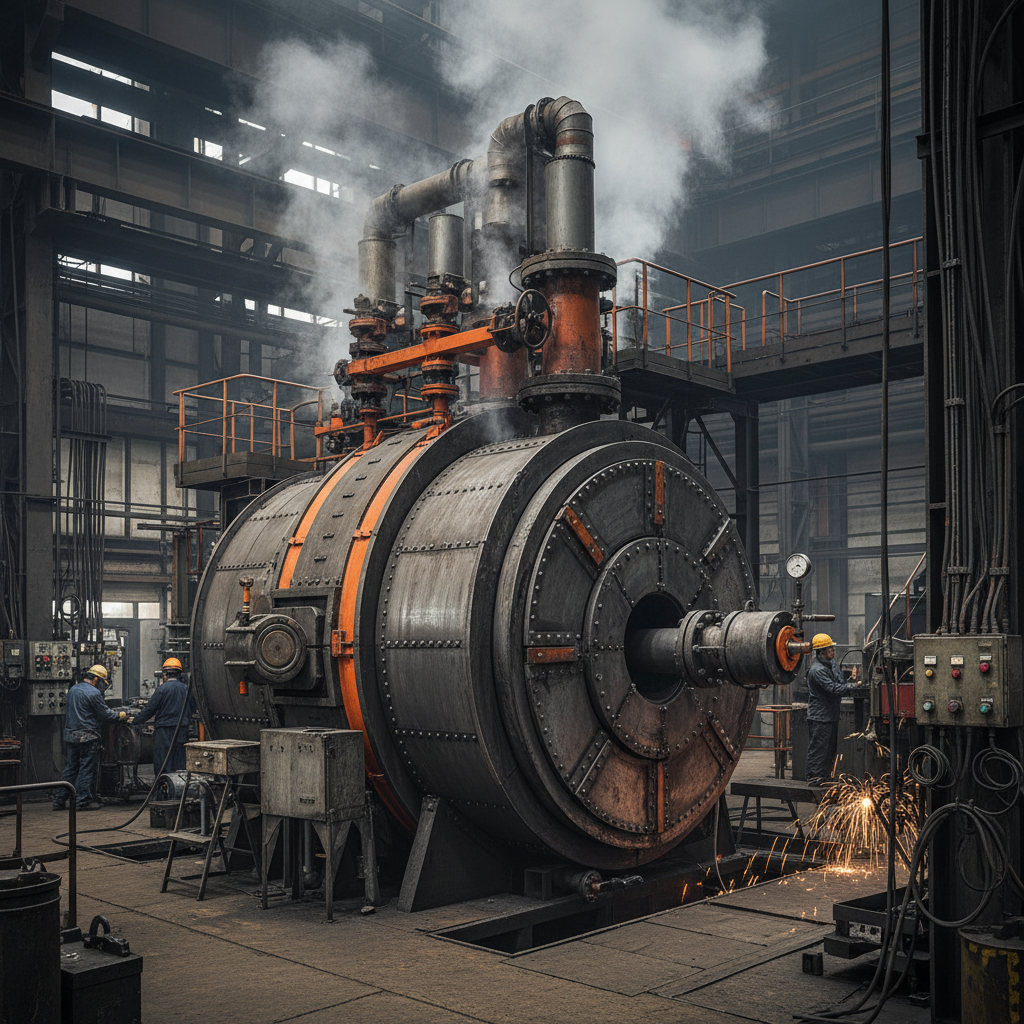
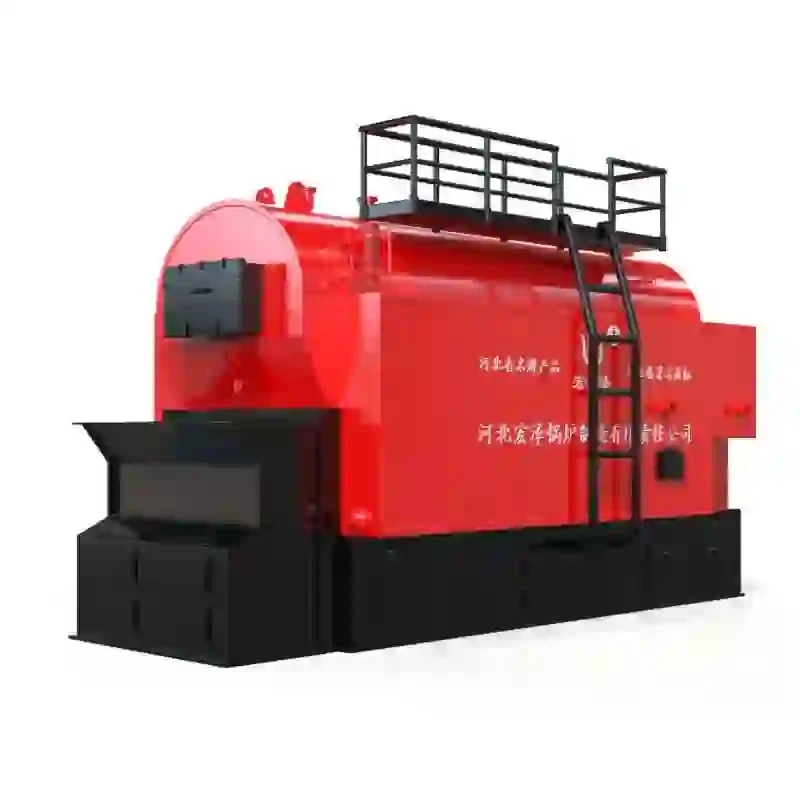
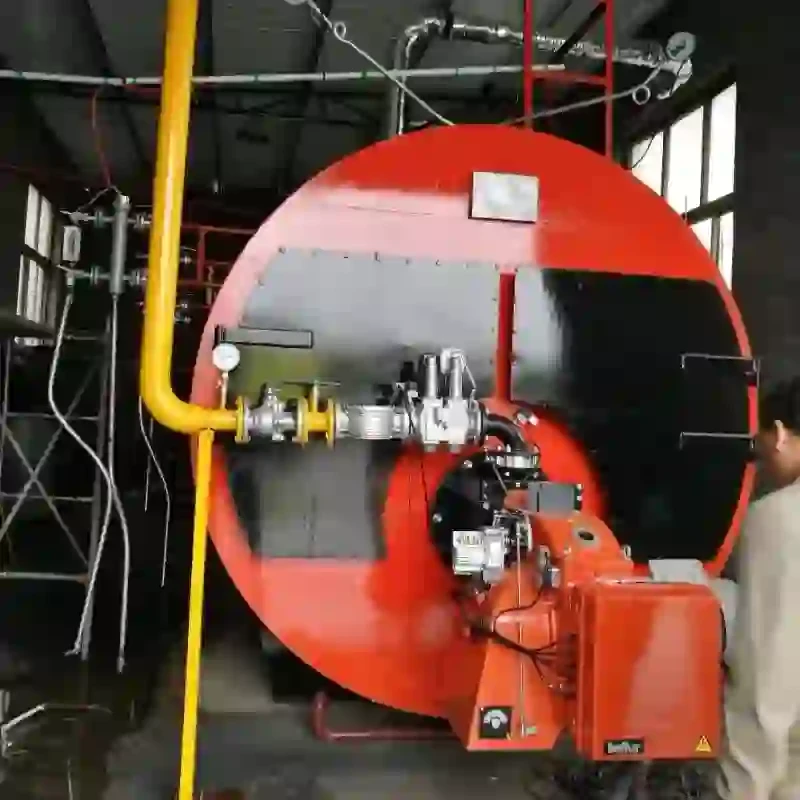
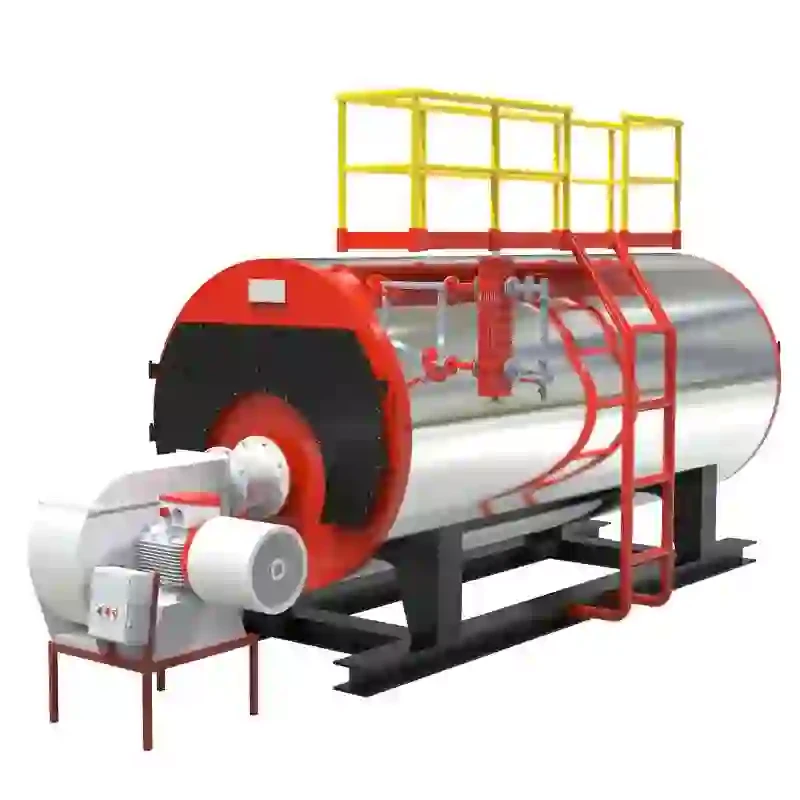
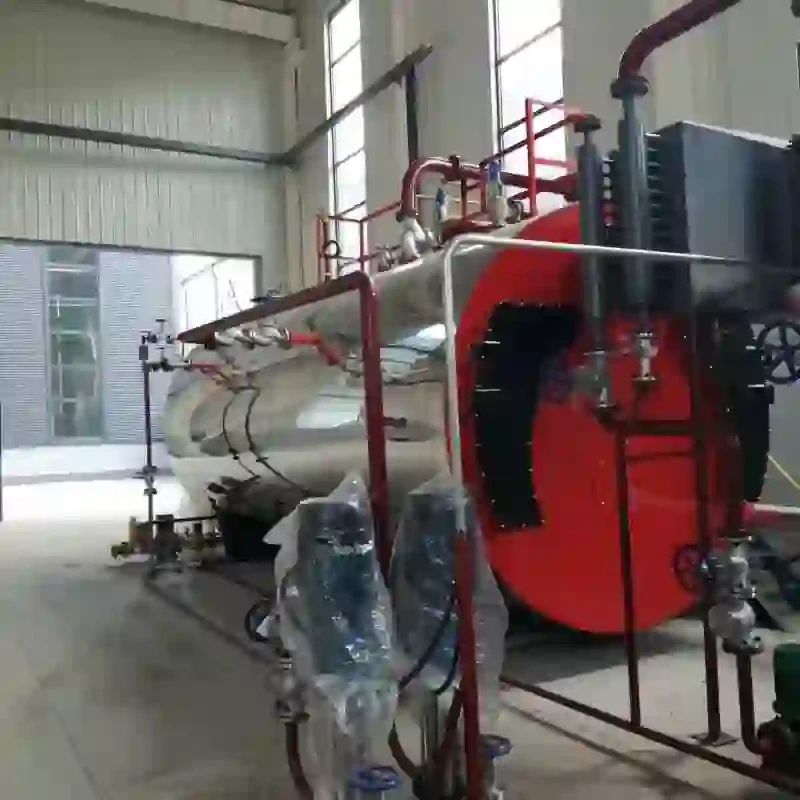
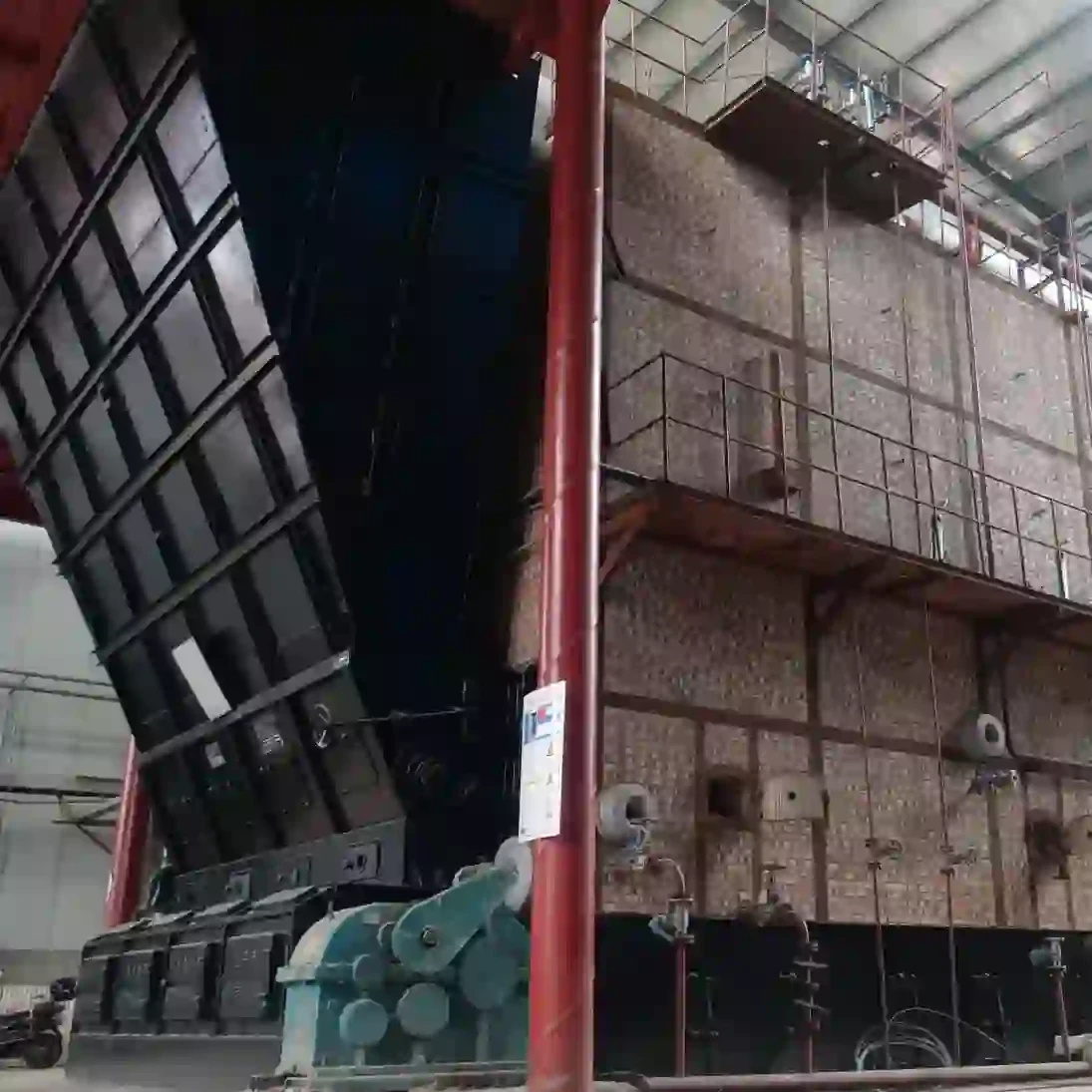
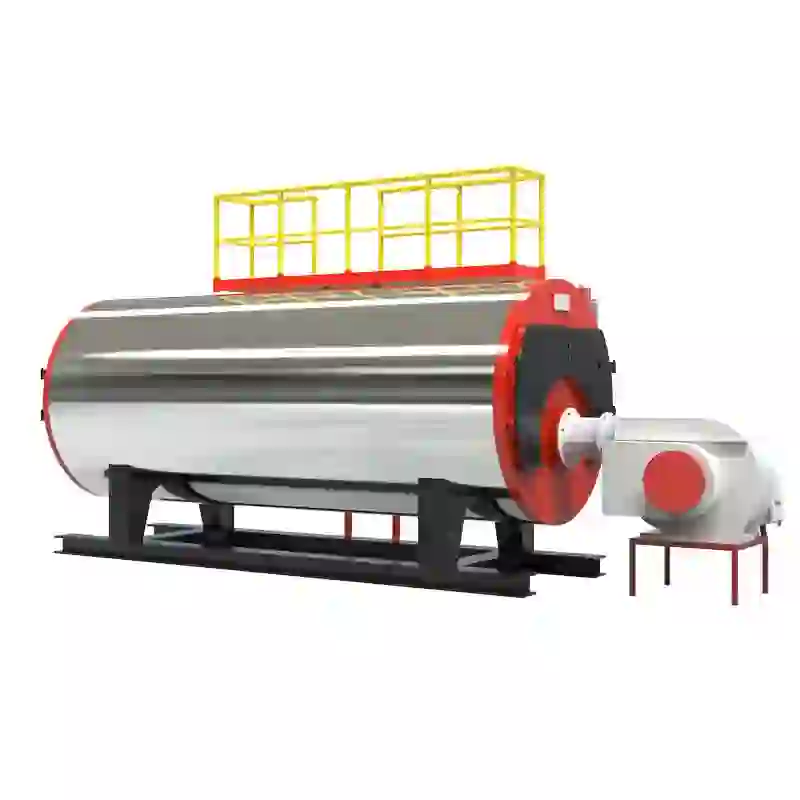
Industrial steam heaters come in several varieties, each suited to specific applications and operational requirements. These include fire tube steam boilers, water tube steam boilers, and electric steam generators. Fire tube boilers are known for their simplicity and lower initial cost, while water tube boilers are favored for their higher capacity and efficiency. Electric steam generators offer rapid steam production and precise temperature control, making them ideal for smaller-scale applications. Selecting the appropriate type depends on factors like steam demand, fuel availability, and cost considerations. A thorough understanding of these options is crucial for making the right investment.
Key Takeaway: The type of industrial steam heater chosen significantly impacts operational efficiency, cost, and long-term performance. Careful consideration of these factors is paramount.
The Benefits of Utilizing Industrial Steam Heaters
The adoption of industrial steam heaters offers numerous benefits. These heaters provide a consistent and reliable heat source, crucial for maintaining precise temperature control in critical industrial processes. Steam's high heat transfer coefficient leads to efficient heating and faster processing times. Furthermore, steam systems are generally more environmentally friendly than direct-fired alternatives, especially when utilizing waste heat recovery systems. Finally, steam is a readily available and cost-effective heating medium, contributing to lower operational expenses.
Key Benefits:
• Consistent and reliable heat source
• Efficient heating and faster processing times
• Environmentally friendly operation
• Cost-effective heating medium
Industrial Steam Heater Applications Across Various Sectors
Industrial steam heaters are utilized across a broad spectrum of industries. The food and beverage industry relies on steam for sterilization, cooking, and cleaning. The chemical processing sector employs steam for heating reactors, distillation processes, and various chemical reactions. Power plants use steam to drive turbines and generate electricity. Furthermore, steam heating is crucial in textile manufacturing, pulp and paper production, and the pharmaceutical industry. The versatility of steam makes it an indispensable resource for countless industrial applications.
Selecting the Right Industrial Steam Heater: Key Considerations
Choosing the right industrial steam heater requires careful consideration of several factors. Steam demand (measured in pounds per hour or kilograms per hour) is paramount. Fuel availability and cost also play a significant role. Furthermore, consider the required steam pressure and temperature, as well as any space limitations. Efficiency, maintenance requirements, and initial investment cost should also be factored into the decision-making process. Consulting with a qualified boiler specialist can provide valuable guidance and ensure optimal selection.
Maintenance and Safety Best Practices for Steam Heaters
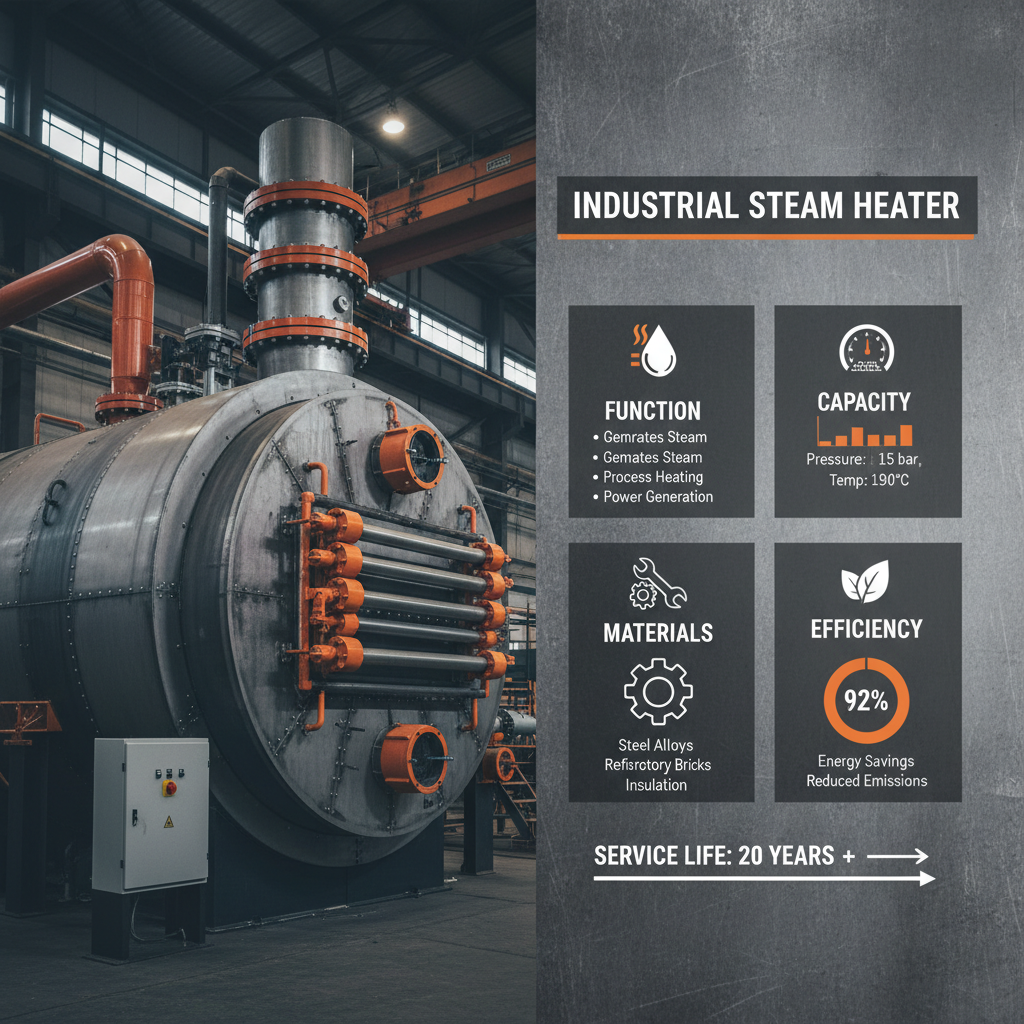
Regular maintenance is essential for ensuring the longevity and safe operation of your industrial steam heater. This includes routine inspections for leaks, corrosion, and damage to components. Water treatment is crucial to prevent scale buildup and corrosion within the boiler. Periodic cleaning and descaling should be performed as recommended by the manufacturer. Furthermore, it is vital to adhere to all safety regulations and ensure that personnel are properly trained in the operation and maintenance of the system. Implementing a comprehensive maintenance program can prevent costly downtime and ensure continued efficiency.
Conclusion: Optimizing Industrial Processes with Reliable Steam Heating
Investing in a high-quality industrial steam heater and implementing a proactive maintenance plan are crucial for optimizing your industrial operations. By selecting the right type of heater, adhering to safety protocols, and prioritizing regular maintenance, you can ensure efficient, reliable, and cost-effective steam heating for years to come.
Frequently Asked Questions (FAQs)
What is the typical efficiency range of industrial steam heaters?
The efficiency of industrial steam heaters varies depending on the type and design. Fire tube boilers typically have efficiencies ranging from 70% to 85%, while water tube boilers can achieve efficiencies of 85% to 95%. Electric steam generators often boast efficiencies exceeding 98%. Modern steam heaters also incorporate features like economizers and blowdown heat recovery systems to further enhance efficiency and reduce energy consumption. Regular maintenance and proper operation are vital to maintaining optimal efficiency.
What are the key safety considerations when operating a steam heater?
Safety is paramount when operating an industrial steam heater. Always ensure proper ventilation to prevent the buildup of combustion gases. Regular pressure testing and safety valve inspections are essential. Personnel should be trained in emergency shutdown procedures and the proper use of personal protective equipment. Never exceed the maximum working pressure of the boiler. Additionally, a comprehensive lockout/tagout procedure should be in place for maintenance activities to prevent accidental startup.
How often should the water level be checked in a steam heater?
The water level in a steam heater should be checked frequently, ideally at least daily, and more often during periods of fluctuating steam demand. Maintaining the correct water level is critical to prevent overheating and potential damage to the boiler tubes. Modern steam heaters often incorporate automatic water level control systems, but regular visual inspection is still recommended. Low water levels can lead to tube failure, while excessively high levels can cause priming and carryover of water into the steam lines.
What is the role of water treatment in steam heater maintenance?
Water treatment is crucial for preventing scale buildup, corrosion, and other issues that can compromise the efficiency and lifespan of a steam heater. Impurities in the water can deposit on heat transfer surfaces, reducing heat transfer efficiency and potentially leading to tube failure. Proper water treatment involves softening, demineralization, and the addition of chemical inhibitors to control pH and prevent corrosion. Regular water analysis is essential to monitor water quality and adjust treatment accordingly.
-
Industrial Natural Gas Steam Boiler High Efficiency System Guide
NewsApr.16,2026
-
Maximize Industrial Productivity with High Efficiency Gas Steam Boiler
NewsApr.09,2026
-
Comprehensive Guide to Low Pressure Steam Boilers and Their Applications
NewsApr.04,2026
-
Understanding High Pressure Steam Boiler Technology and Industrial Applications
NewsMar.31,2026
-
Comprehensive Guide to High Efficiency Steam Boiler Systems and Applications
NewsMar.28,2026


 English
  Arabic
  Bengali
  French
  German
  Hindi
Hindi  Indonesian
  Kazakh
  Khmer
Khmer  Korean
  Kyrgyz
  Lao
Lao  Latin
Latin  Mongolian
  Nepali
  Russian
  Turkish
  Turkmen
  Uzbek
Uzbek 


