




Dec . 03, 2025 16:02 Back to list
Comprehensive Guide to Gas Fired Hot Water Boiler Heating System – Benefits & Applications
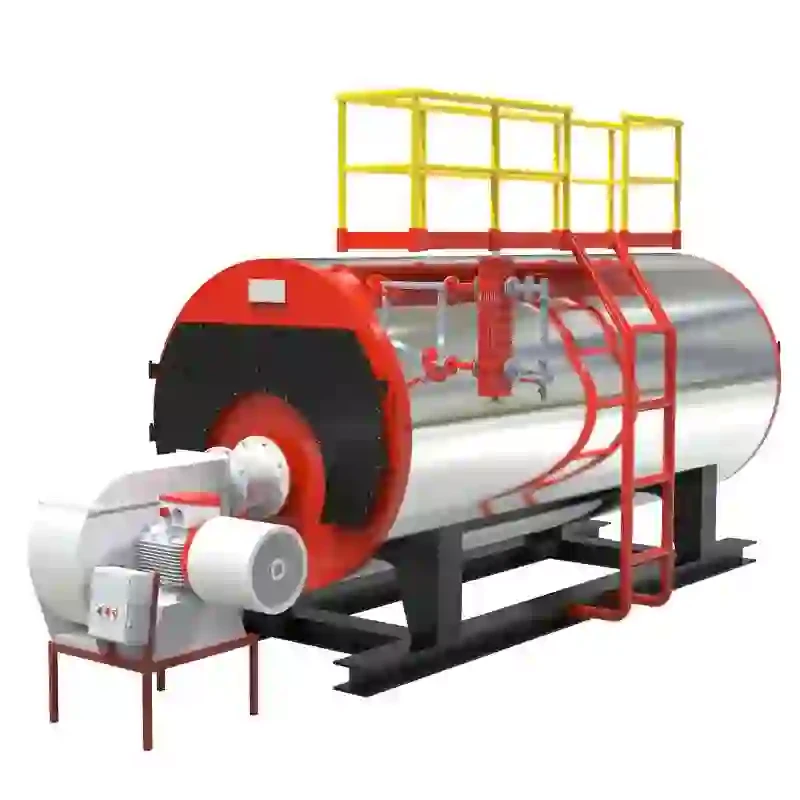
Understanding the Gas Fired Hot Water Boiler Heating System
When it comes to heating solutions that efficiently and reliably deliver warmth across industries and communities, a gas fired hot water boiler heating system often stands out. Quite simply, it’s a technology that converts the combustion of natural gas into hot water circulation—fueling heating systems from expansive industrial zones to smaller commercial buildings. Globally, as energy demands grow alongside environmental concerns, more eyes are turning to these systems as practical, scalable, and cost-effective heating options. Why does this matter? Because efficient heating is intertwined with everything—from ensuring comfort in cold regions, powering manufacturing processes, to supporting humanitarian efforts in challenging environments. Getting to know this technology isn’t just industry talk; it’s understanding a pillar in global energy and thermal management.
Introduction: Global Significance of Gas Fired Hot Water Boiler Heating Systems
Have you noticed how critical heating solutions are, especially in colder climates or industrial clusters? According to the International Energy Agency, approximately 50% of global energy consumption in buildings is for heating and cooling, and boilers contribute a significant chunk of that. Interestingly, gas fired hot water boilers are favored because natural gas still offers one of the cleaner fossil fuel options with more efficient combustion than coal or oil. Yet, challenges abound—the need to reduce emissions, balance costs, and cater to diverse operational scales. For regions recovering from disasters or industries expanding rapidly, deploying reliable heating rapidly makes a world of difference. This technology tackles those exact challenges, offering a blend of reliability and moderately reduced environmental footprint.
What is a Gas Fired Hot Water Boiler Heating System?
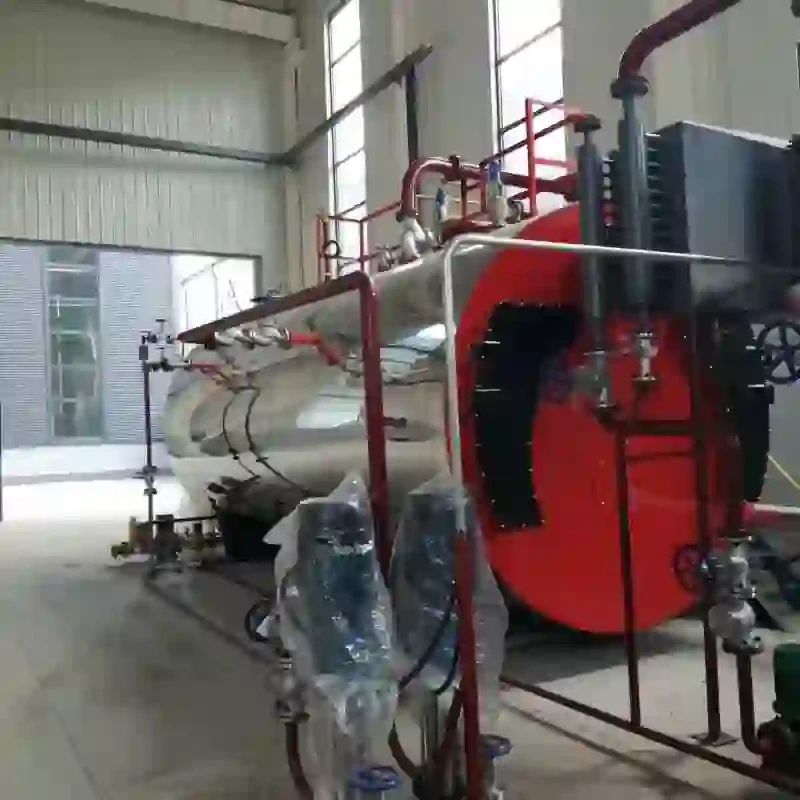
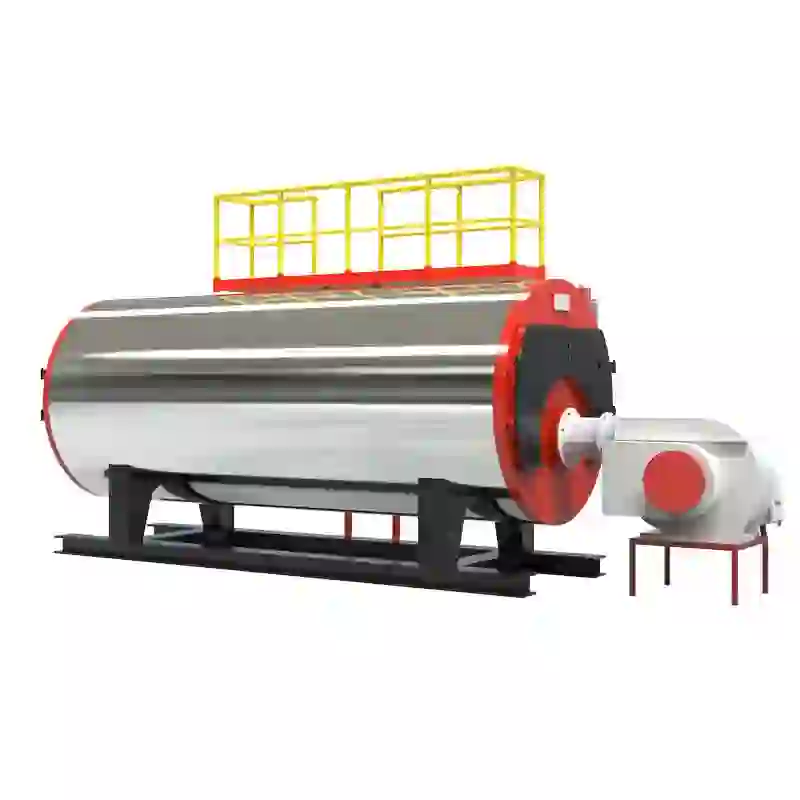
At its essence, a gas fired hot water boiler heating system is a device that burns natural gas to heat water, circulating it through pipes to radiators or heat exchangers. Unlike steam boilers, it heats water below boiling, which means safer operation and more controlled temperature management. It’s widely adopted across commercial, institutional, and even humanitarian contexts because it’s straightforward, scalable, and compatible with existing infrastructure. Oddly enough, despite modern energy shifts, it remains a backbone in many heating grids due to its established reliability and efficiency.
Key Components and Core Factors
1. Durability
A top-notch gas fired hot water boiler heating system is built to endure. The steel plates, corrosion-resistant coatings, and quality welds mean systems last decades—even in harsh environments. Many engineers I spoke with emphasize that durability equals lower lifecycle costs.
2. Efficiency
Systems typically boast efficiencies ranging from 85% to upwards of 95%, depending on design and controls. High efficiency means less fuel consumption for the same heat output —a win for budgets and sustainability.
3. Scalability
From small-scale commercial setups to sprawling industrial complexes, these boilers come in myriad sizes. Modularity makes expansion or adaptation relatively hassle-free.
4. Cost-effectiveness
Natural gas prices fluctuate, but compared to electricity or oil, gas fired hot water boiler systems often deliver warmth at a lower operational cost —especially when paired with smart controls.
5. Safety
Since water heating stays below boiling, the risk of dangerous steam pressure is minimal. Safety valves, flame supervision devices, and modern digital monitoring systems further enhance operational safety.
Typical Product Specifications
| Specification | Standard Range | Notes |
|---|---|---|
| Heating Capacity | 500 kW - 10,000 kW | Suitable for various site sizes |
| Operating Pressure | Up to 20 bar | Typical for commercial use |
| Water Temperature | 70–90°C (operating) | Dependent on system design |
| Fuel Type | Natural Gas | Some models allow LPG backup |
| Efficiency | 85% – 95% | Depends on combustion technology |
Global Applications & Use Cases
The versatility of gas fired hot water boiler systems means they’re everywhere—from North American commercial buildings to European factories, and even in developing regions where infrastructure is growing fast. For example:
- In post-disaster relief operations, portable boilers quickly restore warm water for hygiene and heating, crucial for displaced populations.
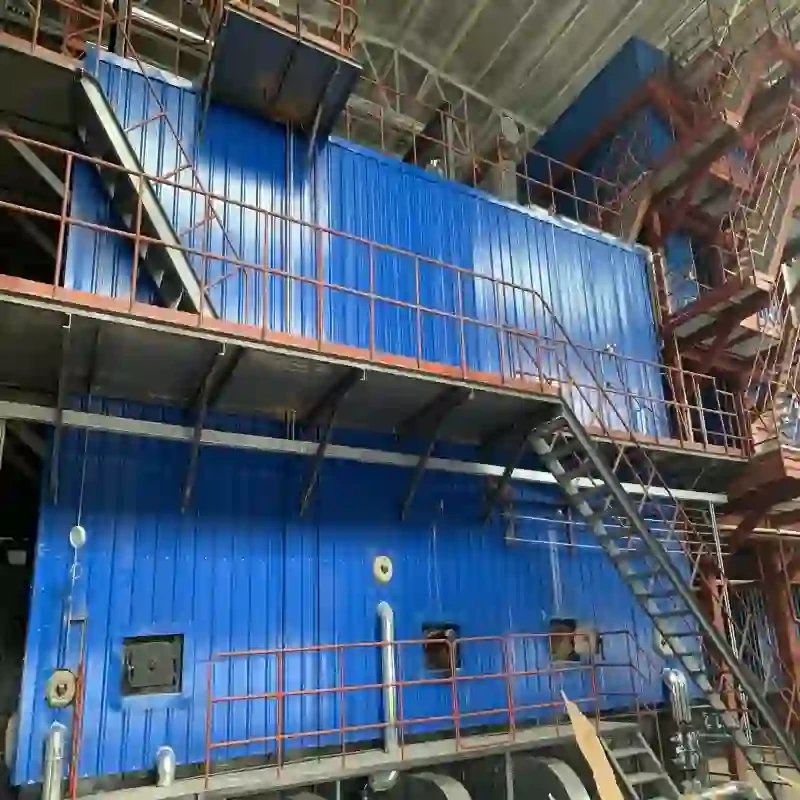
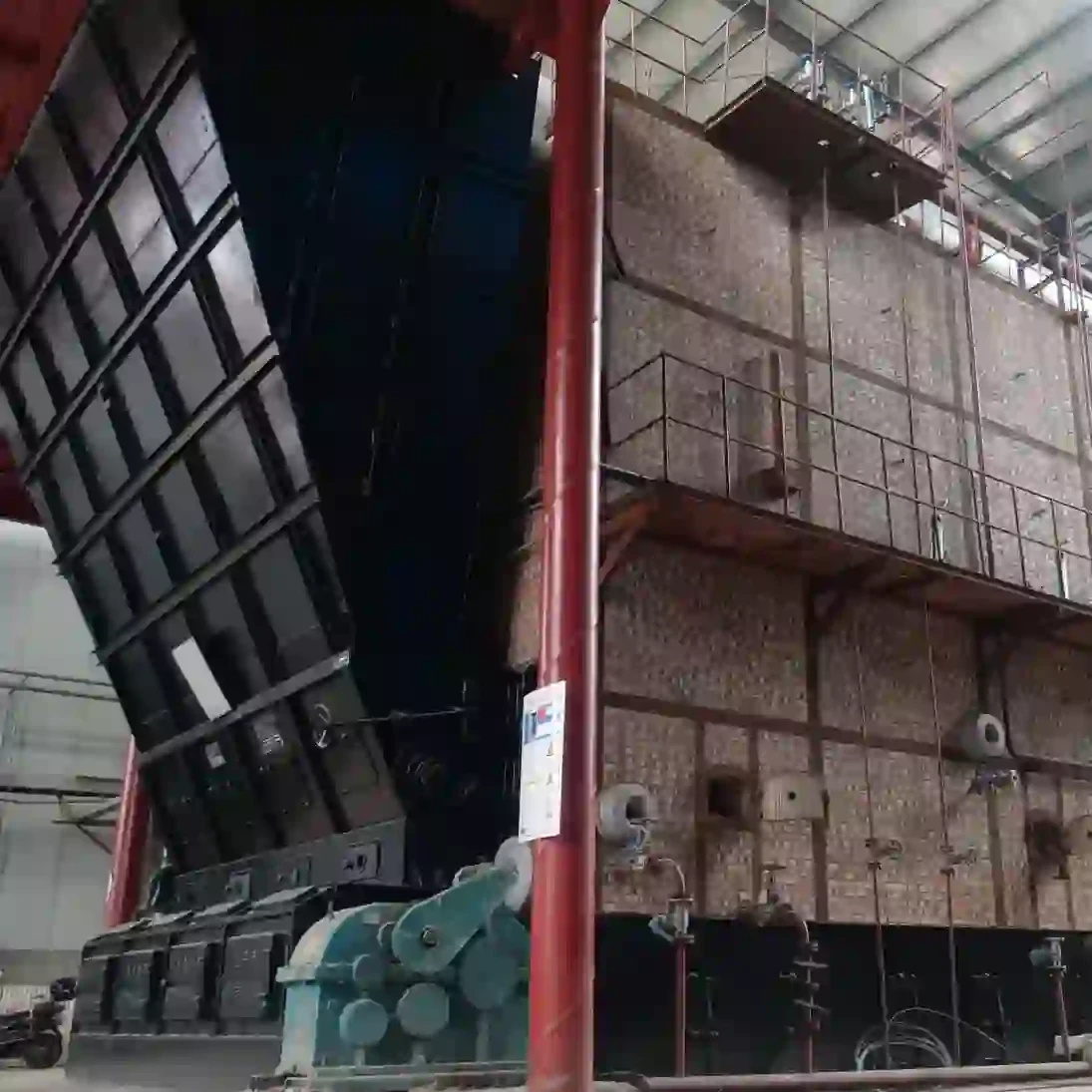
- Remote industrial zones, such as mining camps in Australia, rely on these boilers to maintain worker comfort and safeguard sensitive equipment.
- Urban heating networks in countries like Germany integrate modern gas boilers in district heating models, balancing efficiency with emissions.
In fact, many industries—notably food processing and pharmaceuticals—count on these systems for precise temperature control that water heating reliably delivers.
Advantages and Long-Term Value
Beyond the obvious operational benefits, these heating systems offer tangible long-term value. They’re economical over their lifespan, reducing fuel waste and maintenance headaches. Socially, consistent heat equates to safety and dignity, especially in shelters or hospitals. Logically, their proven tech and decades of implemented standards instill trust in users, even when introducing automation or remote monitoring. It feels like stepping onto a piece of technology history that’s evolved yet grounded.
Future Trends & Innovations
Looking ahead, the gas fired hot water boiler sector is stirring up with innovation. Integration of IoT sensors for real-time performance tracking, automation in combustion controls, and hybrid systems mixing gas with renewable energy sources are on the rise. Moreover, manufacturers are tweaking materials—like advanced alloys and coatings—to shave off heat losses and extend operational cycles. Sustainability policies, particularly in the EU and parts of Asia, push manufacturers to lower NOx emissions and improve energy conversion, which in turn shapes the product landscape profoundly.
Challenges & Solutions
Of course, these systems aren’t perfect. Natural gas availability can be limited in remote areas, and emissions, while better than oil or coal, still contribute to environmental concerns. Some solutions? Dual-fuel boilers that switch to biomass or LPG during shortages; implementing carbon capture technologies; or coupling boilers with thermal storage to optimize energy use. Engineers I spoke with often stress that maintenance training and smart diagnostics prevent many issues—keeping downtime minimal.
Vendor Comparison Table
| Vendor | Capacity Range | Efficiency | Key Features | Typical Applications |
|---|---|---|---|---|
| ThermoHeat Co. | 750 kW – 8,000 kW | 90-95% | Advanced combustion control, IoT enabled | Industrial, commercial buildings |
| EcoSteam Solutions | 500 kW – 5,000 kW | 85-92% | Modular, eco-friendly materials | Healthcare, public housing |
| UltraBoil Inc. | 1,000 kW – 10,000 kW | 88-94% | Robust design, remote diagnostics | Large industrial plants, campus heating |
Frequently Asked Questions About Gas Fired Hot Water Boiler Heating Systems
Q1: How does a gas fired hot water boiler differ from a steam boiler?
Gas fired hot water boilers heat water to temperatures below boiling, circulating it to heat spaces safely and efficiently. Steam boilers boil water to produce steam, often requiring higher pressure and complexity. Hot water systems are generally safer and easier to control for consistent heating.
Q2: Are these boilers suitable for off-grid or remote locations?
Yes, they can operate efficiently in remote areas where natural gas pipelines exist. For truly off-grid setups, alternatives like LPG or dual-fuel models may be preferable. The system’s modular size options also help tailor solutions for remote camps or industrial sites.
Q3: What maintenance is typical for these systems?
Periodic inspections of burners, heat exchangers, valves, and controls are essential. Annual servicing usually includes cleaning combustion chambers and checking safety devices. With IoT-enabled boilers, remote diagnostics can predict issues before they affect performance.
Q4: Can these boilers be integrated with renewable energy?
Increasingly so. Hybrid systems combine gas fired boilers with solar thermal or biomass to reduce fossil fuel use. Controls can switch between sources depending on availability to optimize sustainability.
Q5: What safety features come standard?
Pressure relief valves, flame failure detectors, temperature limiters, and gas leak sensors are typical. Modern systems also include automated shutoff and alarm functions to prevent hazards.
Conclusion & Call to Action
The gas fired hot water boiler heating system represents a pragmatic intersection of efficiency, affordability, and reliability in today's heating landscape. Its global footprint spans industries, humanitarian efforts, and urban centers, proving its versatility time and time again. If you’re exploring reliable heating solutions that balance cost with sustainability and safety, this technology should definitely be on your radar. Curious to learn more or ready to explore options? Visit our website at https://www.hzsteamboiler.com for detailed specs, case studies, and expert guidance.
Mini takeaway: Gas fired hot water boiler systems continue to be a vital, evolving technology that quietly powers comfort, industry, and resilience worldwide.
References
-
Industrial Natural Gas Steam Boiler High Efficiency System Guide
NewsApr.16,2026
-
Maximize Industrial Productivity with High Efficiency Gas Steam Boiler
NewsApr.09,2026
-
Comprehensive Guide to Industrial Steam Heater Systems and Applications
NewsApr.07,2026
-
Comprehensive Guide to Low Pressure Steam Boilers and Their Applications
NewsApr.04,2026
-
Understanding High Pressure Steam Boiler Technology and Industrial Applications
NewsMar.31,2026
-
Comprehensive Guide to High Efficiency Steam Boiler Systems and Applications
NewsMar.28,2026


 English
  Arabic
  Bengali
  French
  German
  Hindi
Hindi  Indonesian
  Kazakh
  Khmer
Khmer  Korean
  Kyrgyz
  Lao
Lao  Latin
Latin  Mongolian
  Nepali
  Russian
  Turkish
  Turkmen
  Uzbek
Uzbek 


