




Oct . 16, 2025 14:50 Back to list
High-Efficiency Gas Fired Thermal Oil Boiler | Low NOx
Gas Fired Thermal Oil Boiler: Field Notes, Real Specs, and What Buyers Actually Ask
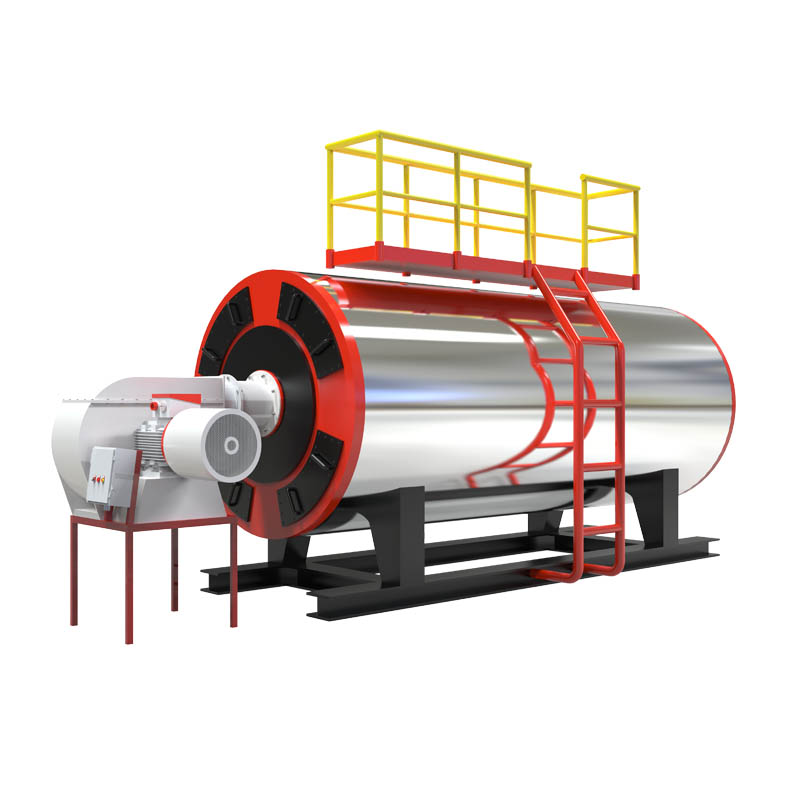
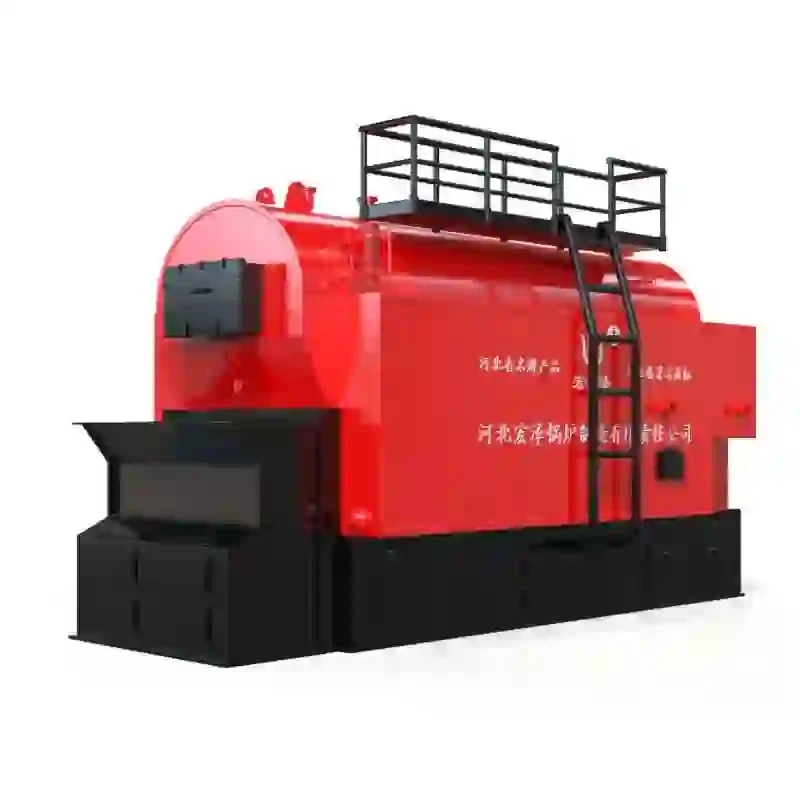
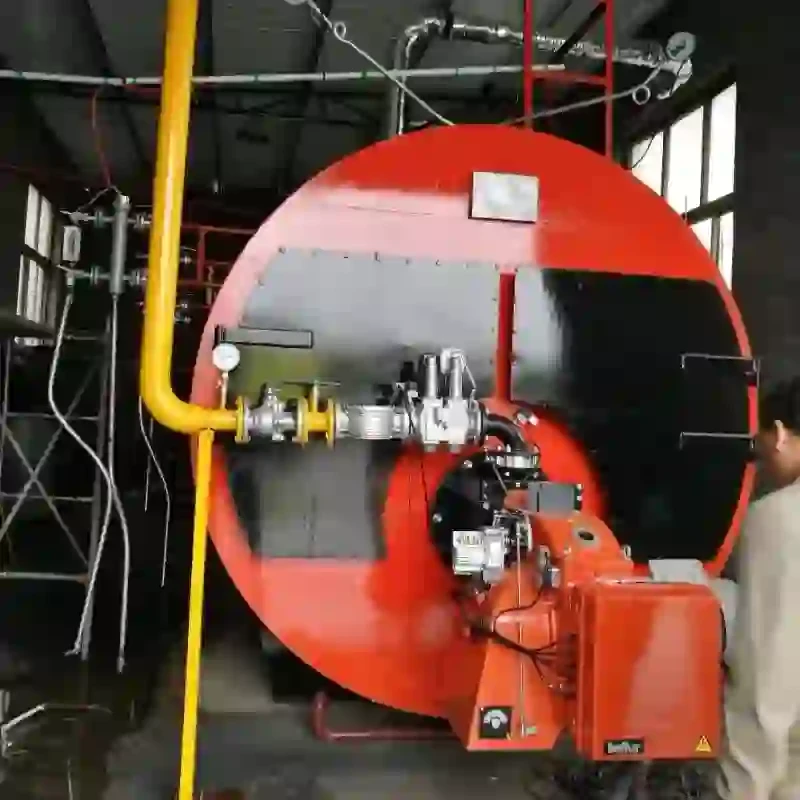
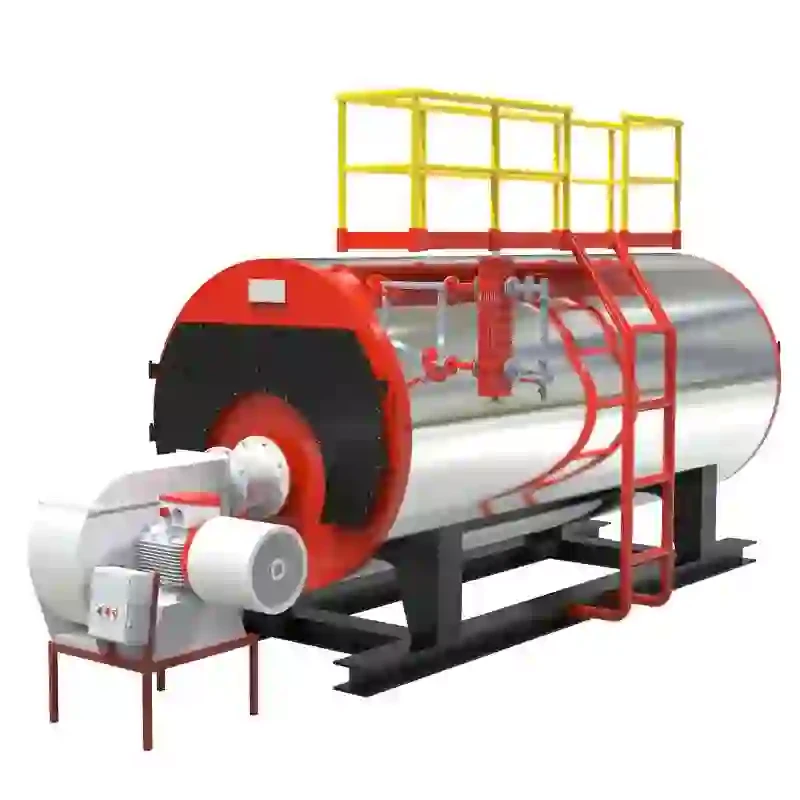
If you’re weighing high-temperature process heat without the headaches of steam, a gas fired thermal oil boiler is probably already on your shortlist. To be honest, I’ve seen a lot of plants switch over for reasons that seem boring on paper—lower NOx, tighter temperature control—but the day-to-day reliability is what operators rave about.
What’s Changing in the Market
Three trends keep popping up: ultra-low NOx (
Core Specs (Real-world ranges)
| Thermal Power | 30–1400 (10⁴ Kcal/h) ≈ 0.35–16.3 MW |
| Working Pressure | 0.8–1.0 MPa (liquid phase) |
| Outlet Temperature | Up to 320°C (film temp managed) |
| NOx Emission | ≤30 mg/Nm³ (with FGR low-NOx burner) |
| Fuels | Natural gas, LPG, biogas, coke-oven gas |
| Thermal Efficiency | 88–92% (real-world; load and ambient dependent) |
| Origin | No.2 Suheng North Street, Raoyang County, Hengshui City |
How It Works (process, materials, testing)
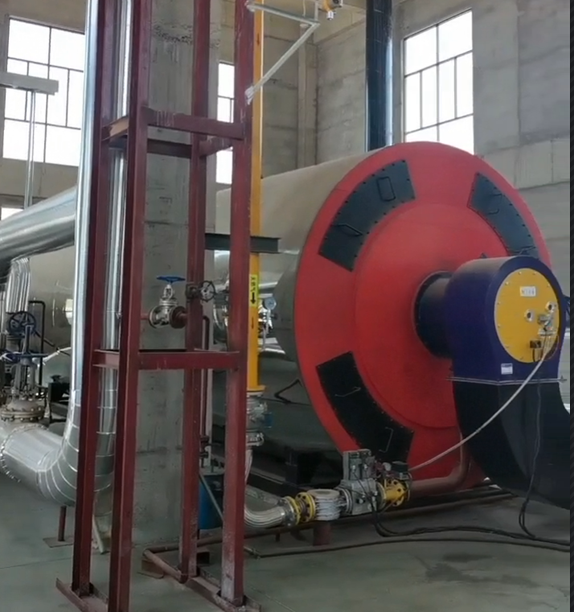
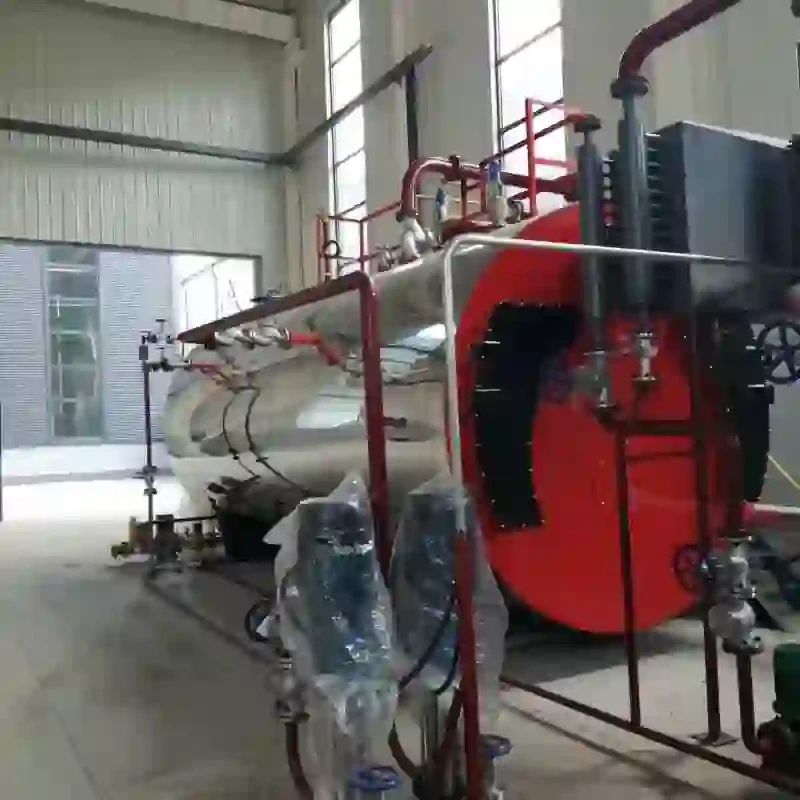
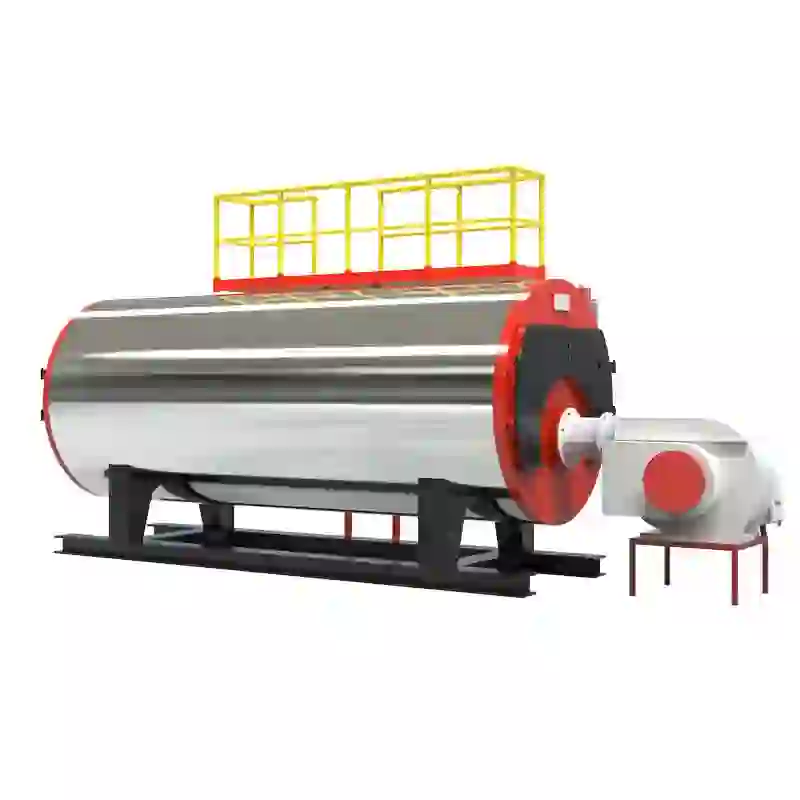
A gas fired thermal oil boiler uses a premix low-NOx burner to heat a coiled tube bundle. A circulating pump keeps the heat transfer oil moving in the liquid phase, delivering heat to users (dryers, reactors, presses) and back to the heater. Key assemblies: expansion tank with N₂ blanketing, deaeration loop, duplex filters, and SIL-rated safety chain.
- Materials: Q345R/SA-516 shell, seamless coil per GB 3087; ceramic fiber + rock wool insulation.
- Methods: automatic coil winding, submerged-arc welding, PWHT as required, refractory-lining dry-out.
- Testing: RT/UT on welds; hydro/air-tightness at 1.3–1.5× design; burner tuning; emissions test (EN 14792).
- Service life: 10–15 years; heat-transfer oil monitored per ASTM D664 (TAN), D445 (viscosity), D92 (flash), D6743 (thermal stability).
Where It’s Used
Chemicals and resins, food and edible oil, textiles/dyeing, wood-based panels, asphalt/bitumen, printing, pharmaceutical—anywhere 150–320°C stable heat beats steam’s pressure baggage. Operators like that a gas fired thermal oil boiler starts fast and avoids water-side corrosion.
Advantages (from the shop floor)
- Ultra-low NOx with FGR burner; measured 26–28 mg/Nm³ at 3% O₂ in recent FATs.
- Tight outlet control (±1–2°C) and lower oil-film temperature—less coking, longer oil life.
- Modular skids cut site work; many clients hit steam-on-oil in under a week.
- Safety interlocks: low-flow, high ΔP, high film temp, flame safeguard with self-check.
Vendor Snapshot (quick comparison)
| Vendor | Efficiency | NOx | Controls | Lead Time | Certs |
|---|---|---|---|---|---|
| HZ (this model) | ≈88–92% | ≤30 mg/Nm³ | PLC+HMI, remote, VFD pumps | 4–10 weeks | ISO 9001, CE (modules vary) |
| Local integrator | ≈85–90% | 30–80 mg/Nm³ | Basic PLC | 2–6 weeks | ISO 9001 |
| Imported premium | ≈90–93% | ≤30 mg/Nm³ | Advanced PLC+cloud | 10–20 weeks | CE/ATEX (options) |
Customization
Burners (premix/FGR), two-pump redundancy, high-temp valves, ATEX zones, skid-mounted thermal oil economizer, gas train to EN 746-2, and smart trending of TAN/viscosity. I guess the most requested add-on lately is remote alarm to WeChat/WhatsApp—plant teams want quiet nights.
Case Notes
- Resin plant, 8 MW: outlet 300°C, NOx 27 mg/Nm³; oil life extended to 4+ years with quarterly ASTM panel tests; operators loved the self-cleaning filter.
- Edible oil refinery, 2 MW: upgraded from steam; cut gas by ≈12% due to tighter delta-T and fewer start-stop cycles.
Certifications, Standards, and Data
Designed to DIN 4754 series for thermal oil systems; pressure parts per GB/ASME norms as applicable. Factory emissions tests typically 26–28 mg/Nm³ NOx (EN 14792), CO
References
- DIN 4754-1: Heat transfer installations using organic heat transfer media.
- EN 14792: Determination of mass concentration of NOx (Reference method).
- ASTM D664, D445, D92, D6743: Key tests for heat transfer fluids.
- GB 3087, GB/T 150: Chinese standards for pressure parts and vessels.
-
Hot Water Boiler Working Principle Explained: Efficiency, Applications, and Innovations
NewsDec.03,2025
-
Hot Water Boiler Design: Global Insights, Innovations, and Applications
NewsDec.03,2025
-
Understanding Hot Water Heat Boiler Replacement Cost: Factors, Benefits & Trends
NewsDec.03,2025
-
1 Million BTU Steam Boiler - Efficient Steam Solutions for Industry
NewsDec.02,2025
-
250 000 BTU Steam Boiler: Comprehensive Guide to Industrial Steam Power
NewsDec.02,2025
-
What You Need to Know About the 300 000 BTU Steam Boiler: Efficiency & Applications
NewsDec.02,2025


 English
  Arabic
  Bengali
  French
  German
  Hindi
Hindi  Indonesian
  Kazakh
  Khmer
Khmer  Korean
  Kyrgyz
  Lao
Lao  Latin
Latin  Mongolian
  Nepali
  Russian
  Turkish
  Turkmen
  Uzbek
Uzbek 


