




Apr . 04, 2026 02:15 Back to list
Comprehensive Guide to Low Pressure Steam Boilers and Their Applications
Understanding Low Pressure Steam Boilers: A Comprehensive Guide
Low pressure steam boilers are crucial components in a wide variety of industrial and commercial applications, providing a reliable and efficient source of heat. These boilers operate at lower pressures compared to their high-pressure counterparts, making them ideal for processes that don’t require extremely high temperatures. This article will delve into the functionality, applications, benefits, safety considerations, and key features of low-pressure steam boilers, specifically highlighting solutions offered by HZ Steam Boiler. Understanding these systems is vital for optimizing performance and ensuring safe operation.
How Do Low Pressure Steam Boilers Work?
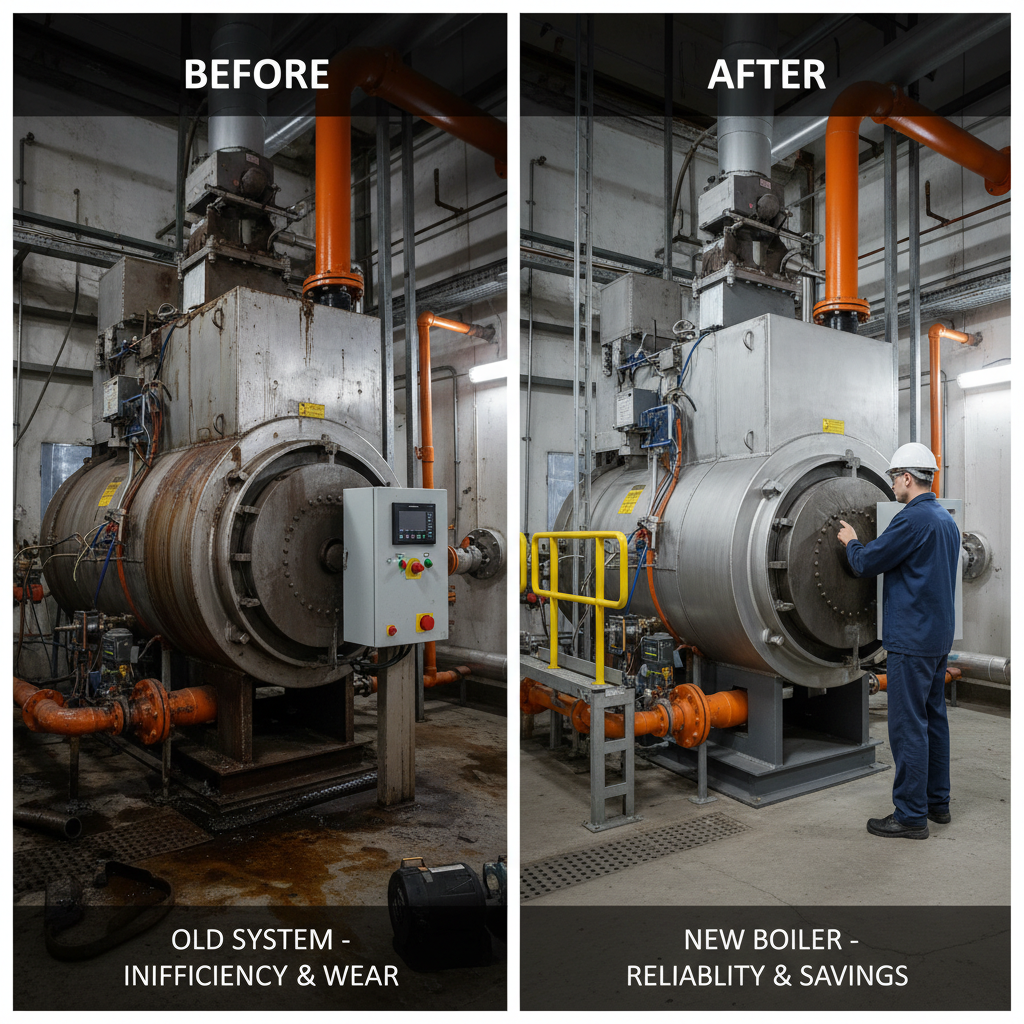
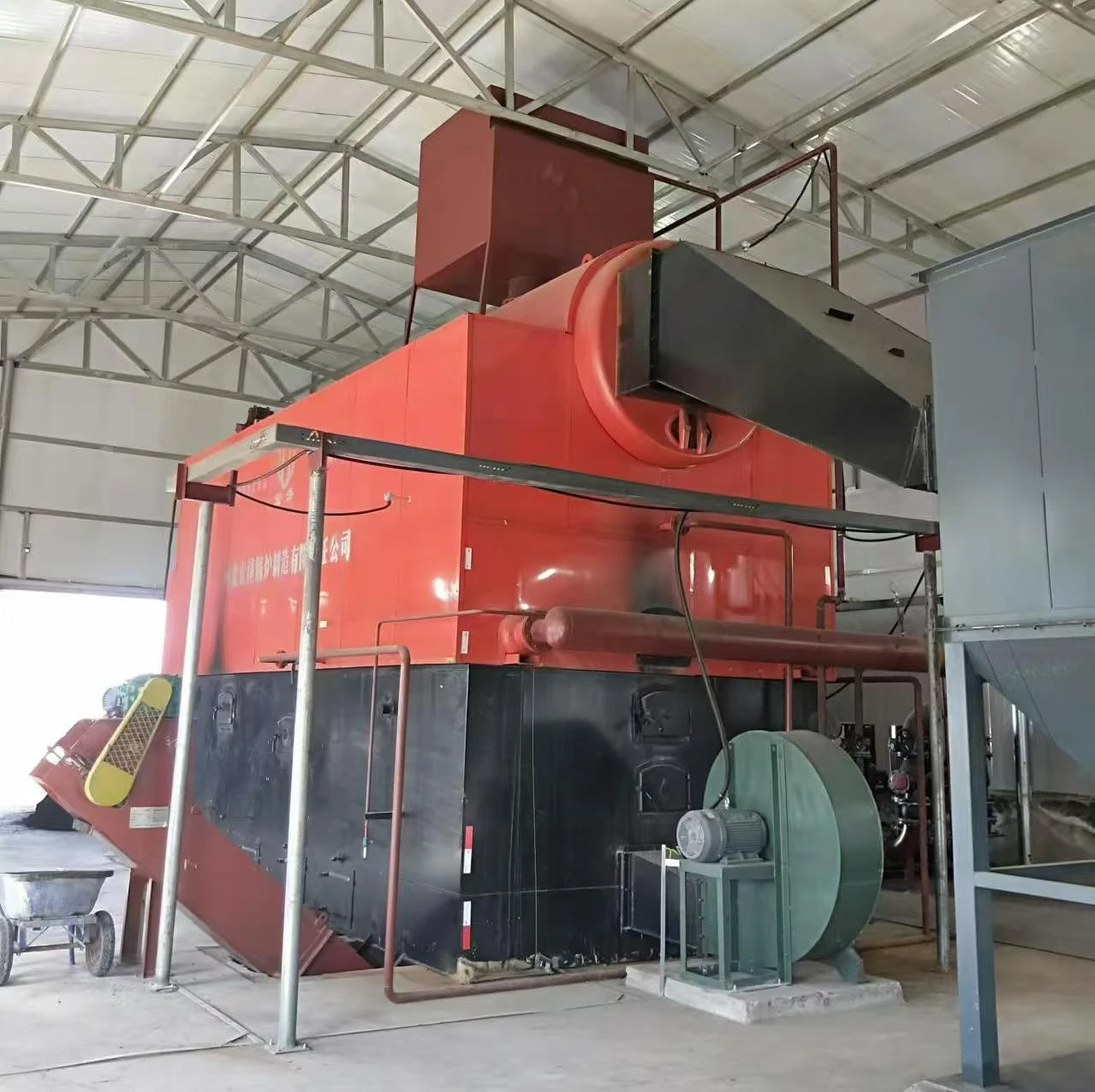
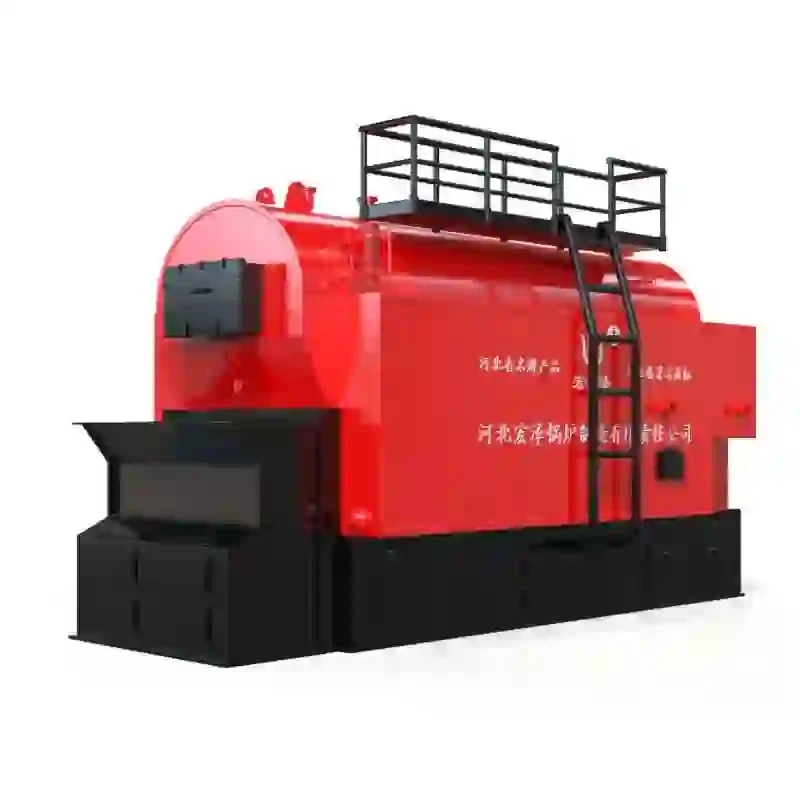
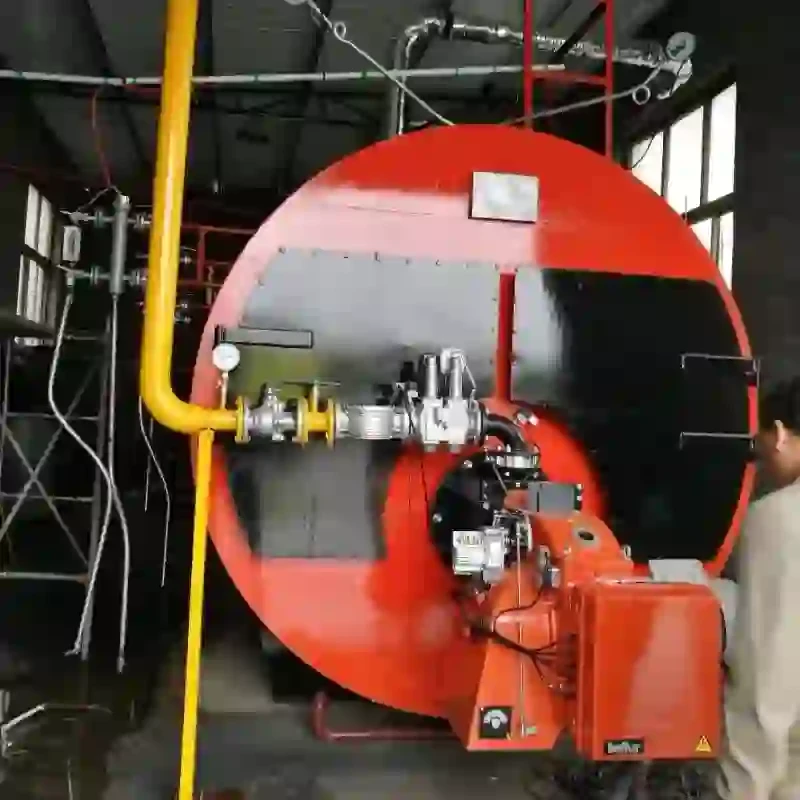
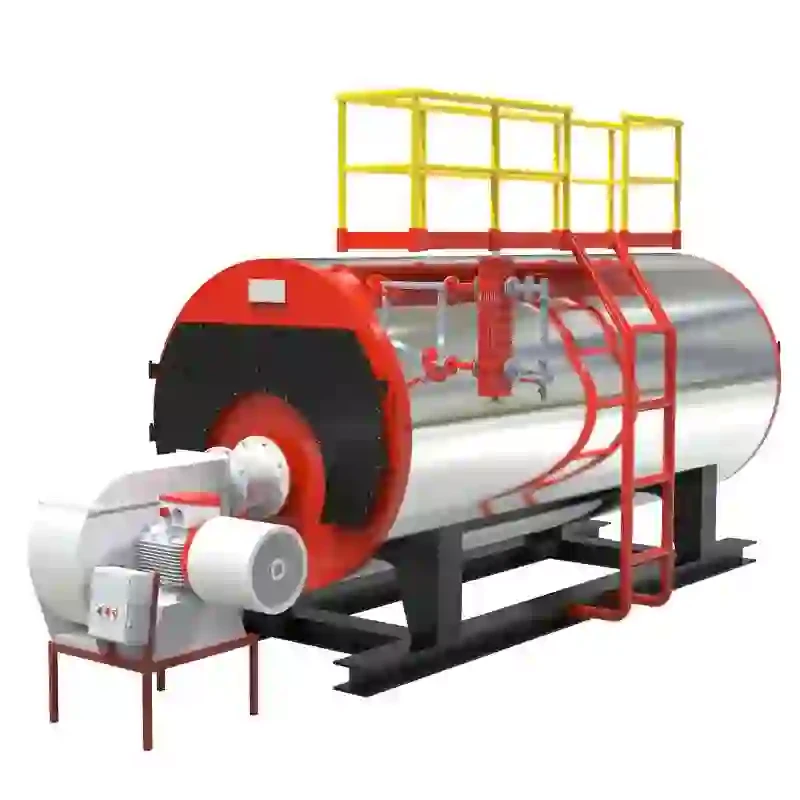
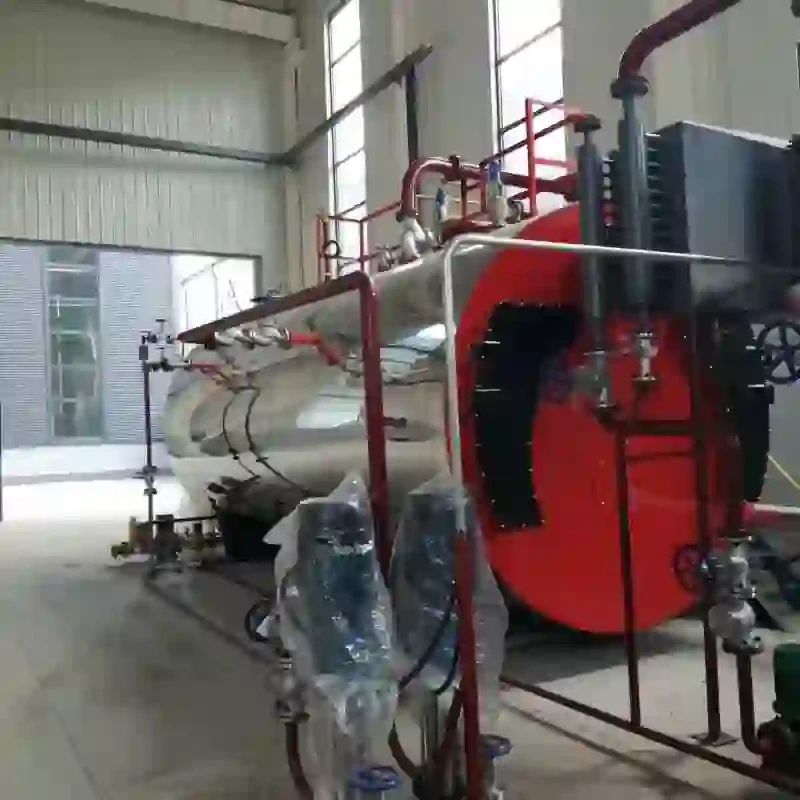
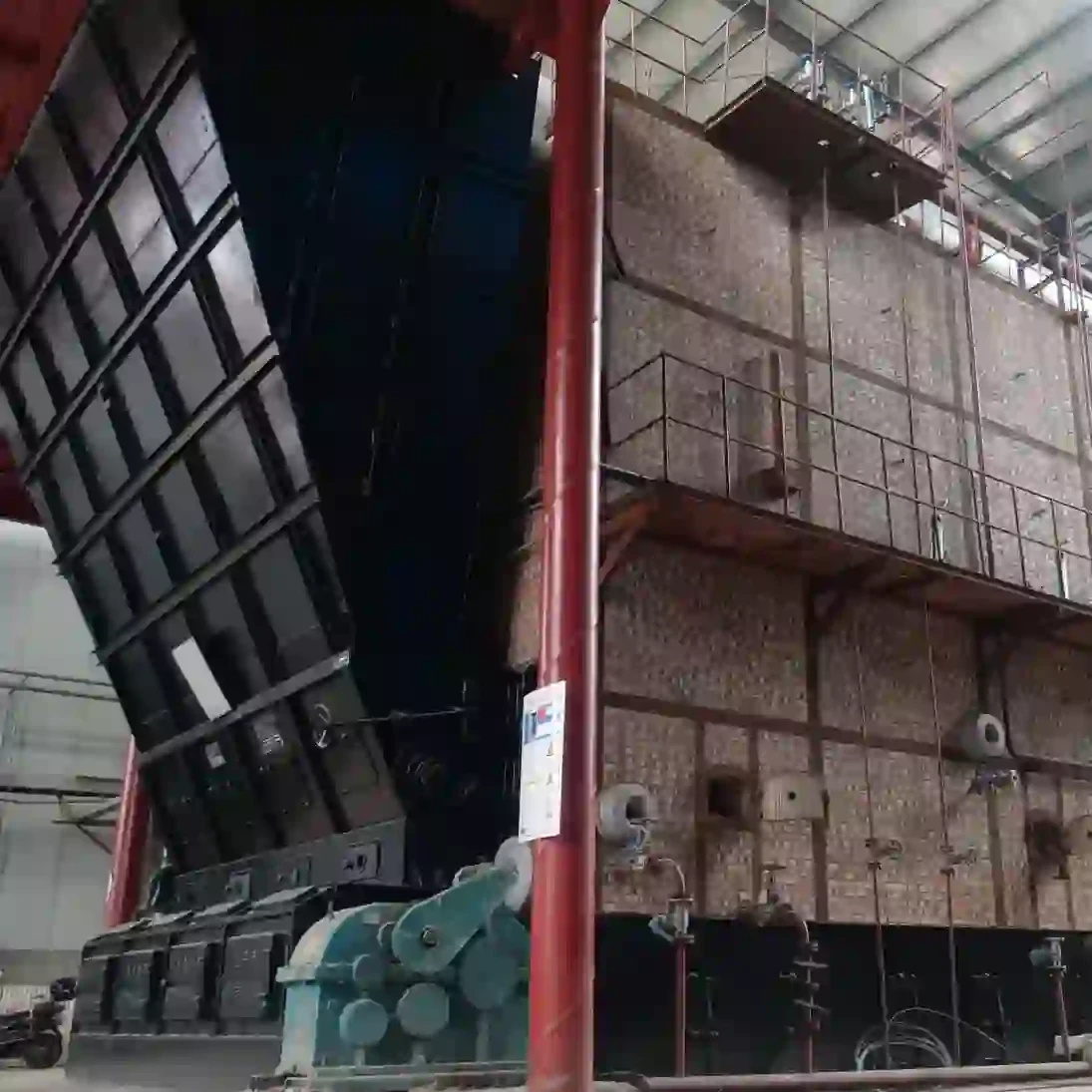
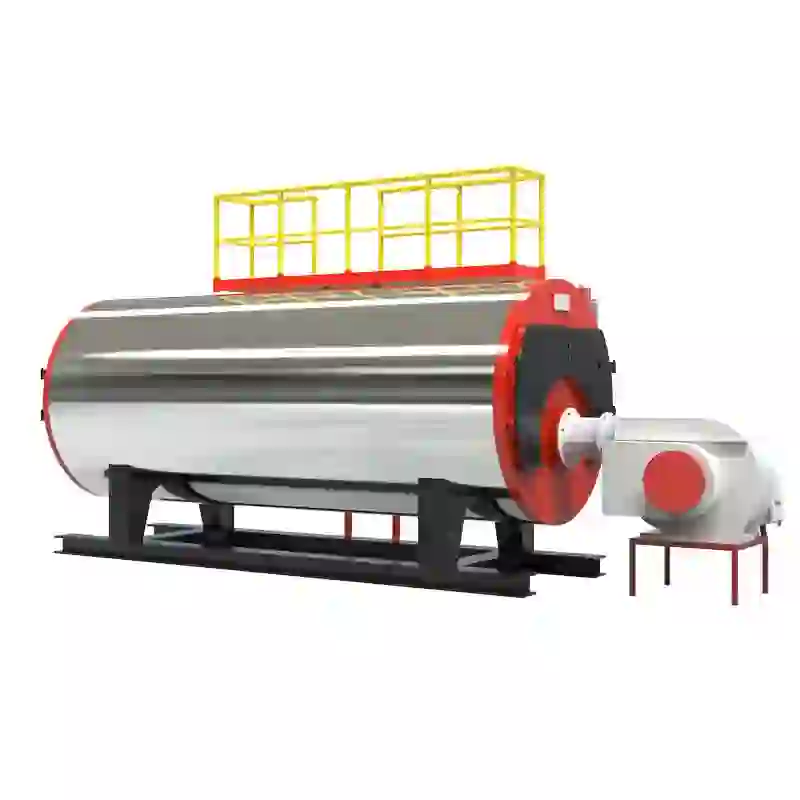
A low-pressure steam boiler generates steam by applying heat to water. The heat source can be various fuels like natural gas, oil, coal, or even biomass. As water heats, it changes state from liquid to steam. This steam is then channeled through a network of pipes to the point of use, where it releases its thermal energy. The key components include a combustion chamber, heat exchanger, pressure vessel, safety valves, and control systems. The entire process is carefully monitored to maintain safe and efficient operation. At HZ Steam Boiler, we prioritize innovative designs for optimal heat transfer and minimal energy loss.
Common Applications of Low Pressure Steam
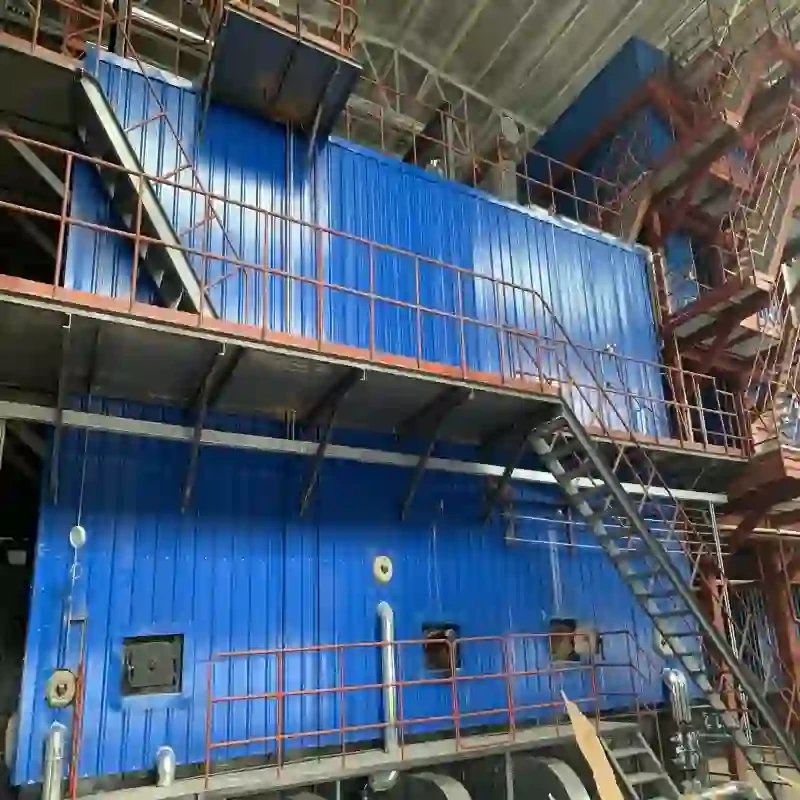
Low-pressure steam boilers find widespread use across numerous industries. They are commonly employed in heating systems for buildings, manufacturing processes requiring consistent thermal energy (like food processing, textile production, and chemical plants), laundry facilities in hotels and hospitals, and power generation in smaller-scale applications. They are also valuable in district heating systems, supplying heat to multiple buildings from a central source. HZ Steam Boiler offers tailored boiler solutions to meet the unique demands of each industry, ensuring optimal performance and cost-effectiveness.
Key Benefits: Efficient heat transfer, versatile fuel options, lower operating costs compared to high-pressure systems, and safer operation due to lower pressures.
Choosing the Right Low Pressure Steam Boiler: Key Considerations
Selecting the appropriate low-pressure steam boiler requires careful evaluation of several factors. These include the required steam capacity (measured in pounds per hour or kilograms per hour), operating pressure, fuel availability and cost, space constraints, and regulatory requirements. Energy efficiency is also paramount, as boilers represent a significant energy consumption point. Consider the boiler's fuel efficiency rating and potential for heat recovery. HZ Steam Boiler provides expert consultation to help clients determine the optimal boiler solution based on their specific needs and operational parameters.
Comparison of Boiler Types: Fire Tube vs. Water Tube
Two primary types of low-pressure steam boilers are fire-tube and water-tube designs. Fire-tube boilers have hot gases passing through tubes surrounded by water, while water-tube boilers have water flowing inside the tubes and hot gases flowing around them. Fire-tube boilers are generally more cost-effective for smaller steam demands, while water-tube boilers are better suited for larger capacities and higher pressures (though still considered low-pressure in this context). The table below highlights a comparison:
Safety Considerations for Low Pressure Steam Boilers
Safety is paramount when operating low-pressure steam boilers. Regular inspection and maintenance are essential. Critical safety features include pressure relief valves, low-water cutoffs, and automatic controls. Operators should be properly trained in boiler operation and safety procedures. Adherence to local regulations and industry standards is also vital. HZ Steam Boiler designs its boilers with multiple safety layers and provides comprehensive training to ensure safe and reliable operation.
Conclusion: Investing in Reliable Steam Solutions
Choosing the right low-pressure steam boiler is a critical decision for businesses across various sectors. By considering factors like steam demand, fuel availability, safety features, and partnering with a reputable manufacturer like HZ Steam Boiler, you can ensure a reliable, efficient, and safe steam supply for your operations. Investing in a quality boiler not only reduces operational costs but also minimizes downtime and enhances overall productivity.
Frequently Asked Questions (FAQs)
What maintenance is required for a low-pressure steam boiler?
Regular maintenance is crucial for the longevity and safe operation of your low-pressure steam boiler. This includes monthly visual inspections for leaks, corrosion, and damage to components. Annual professional inspections and servicing by a qualified technician are highly recommended, including cleaning the fire tubes or water tubes (depending on the boiler type), checking the safety valves, and testing the low-water cutoff. Water treatment is also essential to prevent scale buildup and corrosion. Ignoring maintenance can lead to reduced efficiency, increased fuel consumption, and potentially hazardous situations.
What are the benefits of using natural gas as a fuel source?
Natural gas is a popular fuel source for low-pressure steam boilers due to several advantages. It typically offers lower fuel costs compared to oil or coal. It burns cleaner, resulting in reduced emissions and a smaller environmental footprint. Natural gas boilers also tend to have lower maintenance requirements due to the cleaner combustion process. However, access to a natural gas supply line is a prerequisite, and fluctuations in gas prices can impact operating costs.
How does HZ Steam Boiler ensure quality and reliability?
HZ Steam Boiler is committed to delivering high-quality and reliable steam boiler solutions. We employ rigorous quality control measures throughout the manufacturing process, from material selection to final testing. Our boilers are designed and fabricated by experienced engineers and technicians. We use advanced manufacturing techniques and adhere to stringent industry standards. Furthermore, we offer comprehensive after-sales service and support, including installation assistance, operator training, and readily available spare parts.
What is the typical efficiency range for low-pressure steam boilers?
The efficiency range for low-pressure steam boilers can vary depending on the boiler type, fuel source, and operating conditions. Generally, modern low-pressure steam boilers achieve efficiencies between 80% and 90%. Factors influencing efficiency include proper insulation, regular maintenance, optimized combustion control, and heat recovery systems. Higher efficiency boilers translate into lower fuel consumption and reduced operating costs.
-
Industrial Natural Gas Steam Boiler High Efficiency System Guide
NewsApr.16,2026
-
Maximize Industrial Productivity with High Efficiency Gas Steam Boiler
NewsApr.09,2026
-
Comprehensive Guide to Industrial Steam Heater Systems and Applications
NewsApr.07,2026
-
Understanding High Pressure Steam Boiler Technology and Industrial Applications
NewsMar.31,2026
-
Comprehensive Guide to High Efficiency Steam Boiler Systems and Applications
NewsMar.28,2026


 English
  Arabic
  Bengali
  French
  German
  Hindi
Hindi  Indonesian
  Kazakh
  Khmer
Khmer  Korean
  Kyrgyz
  Lao
Lao  Latin
Latin  Mongolian
  Nepali
  Russian
  Turkish
  Turkmen
  Uzbek
Uzbek 


