




Mar . 26, 2026 02:05 Back to list
Comprehensive Guide to Natural Gas Steam Boilers for Industrial Applications
Understanding Natural Gas Steam Boilers: A Comprehensive Guide
Natural gas steam boilers are a cornerstone of many industrial processes, offering a reliable and efficient source of heat. They are widely utilized across various sectors, from power generation to manufacturing and district heating. Choosing the right boiler for your needs requires careful consideration of factors like capacity, efficiency, and safety features. At HZ Steam Boiler, we specialize in providing high-quality, custom-engineered natural gas steam boilers to meet diverse industrial requirements. This article explores the intricacies of these boilers, their benefits, applications, and key considerations for purchase and maintenance.
How Natural Gas Steam Boilers Work
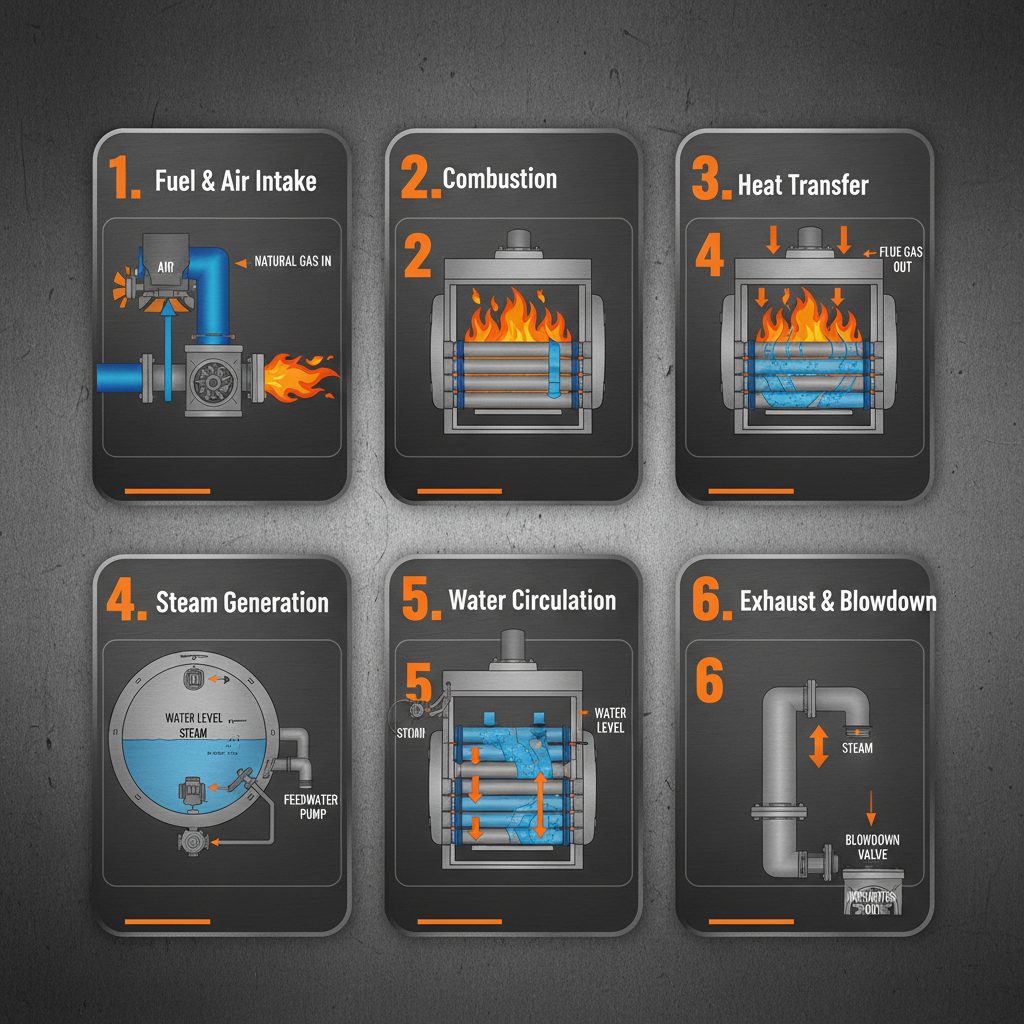
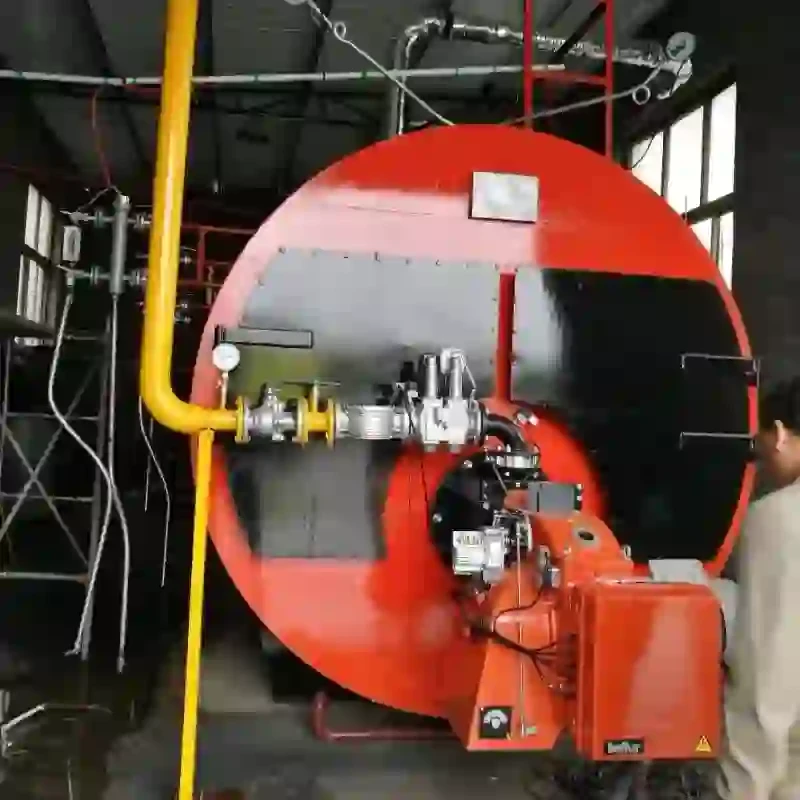
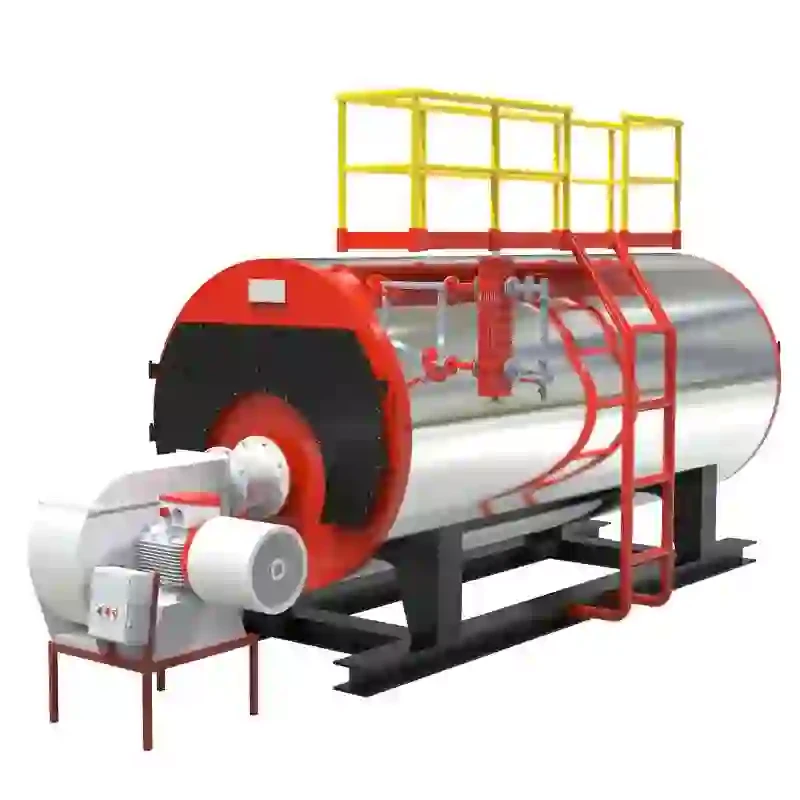
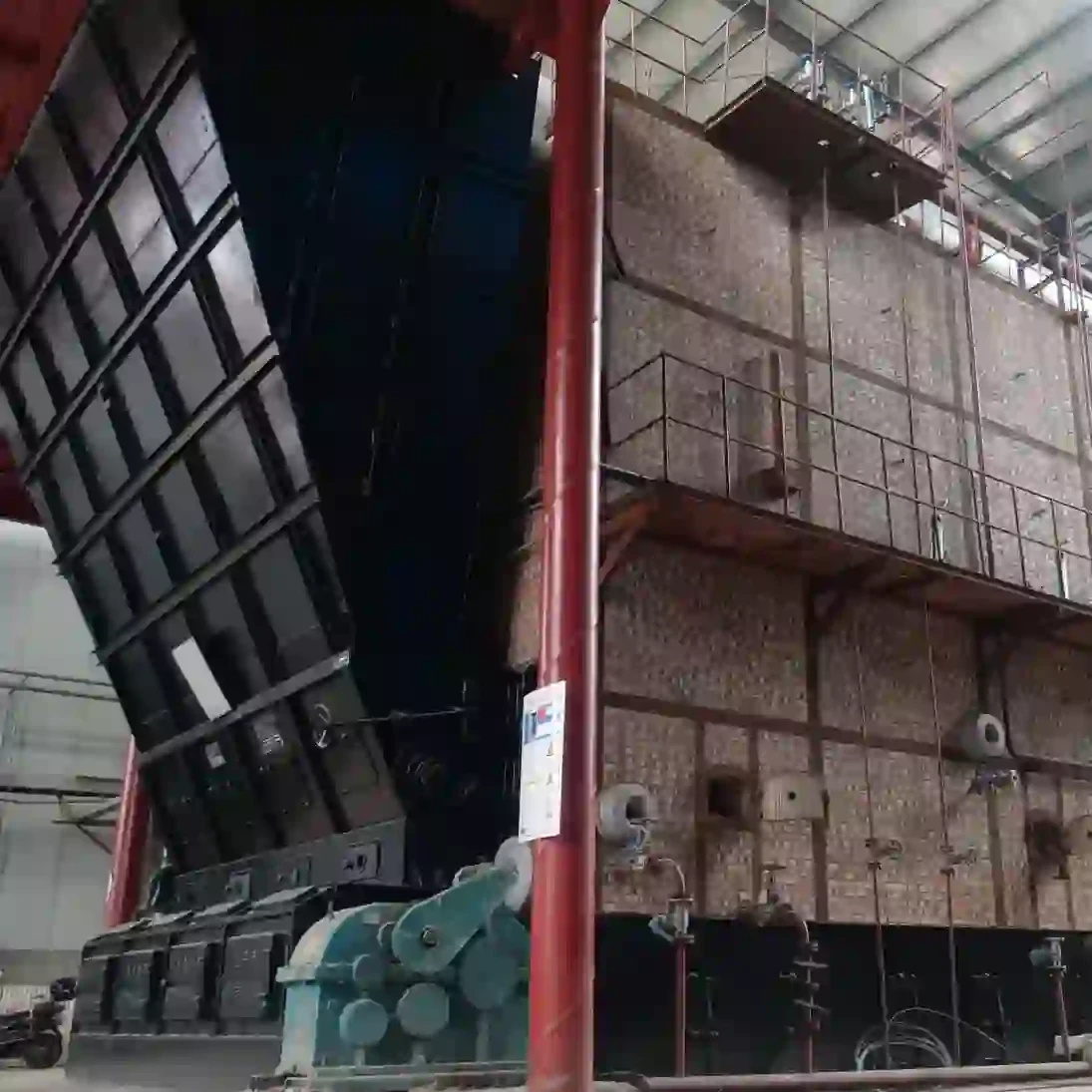
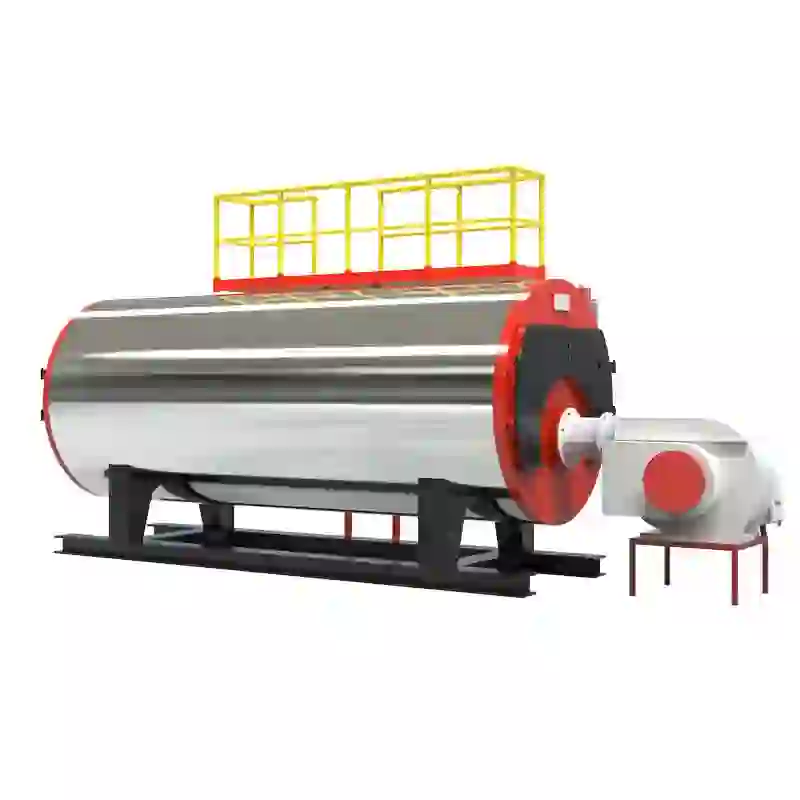
The core principle behind a natural gas steam boiler is relatively straightforward. Natural gas is burned within a combustion chamber, transferring heat to water circulating within the boiler’s tubes. This heating process converts the water into high-pressure steam, which is then distributed throughout a facility for various applications. Key components include the burner, combustion chamber, heat exchanger (tubes), water level control system, and a flue gas exhaust system. Modern boilers often incorporate advanced control systems to optimize combustion efficiency and ensure safe operation. A well-maintained natural gas steam boiler delivers consistent and reliable steam production.
Key Components: Burner, combustion chamber, heat exchanger, water level controls, flue gas system. Optimized control systems ensure safe operation and efficiency.
Benefits of Using Natural Gas Steam Boilers
Natural gas steam boilers offer numerous advantages over other heating systems. Natural gas is generally a more cost-effective fuel source compared to oil or electricity. These boilers also boast high thermal efficiency, minimizing energy waste and reducing operating costs. Furthermore, natural gas combustion produces fewer emissions than other fossil fuels, contributing to a smaller environmental footprint. Modern natural gas steam boilers are also known for their reliability and longevity, reducing the need for frequent repairs and replacements. Investing in a quality steam boiler from HZ Steam Boiler ensures long-term performance and value.
Applications of Natural Gas Steam Boilers
The versatile nature of steam makes natural gas steam boilers suitable for a wide range of applications. Power generation plants rely on these boilers to produce steam that drives turbines for electricity production. Manufacturing facilities utilize steam for processes like heating, sterilization, and drying. District heating systems use steam generated by these boilers to provide heat to residential and commercial buildings. Other common applications include food processing, textile manufacturing, and chemical processing. The ability to provide consistent and reliable steam makes these boilers an essential component in many industrial operations.
Natural Gas Steam Boiler Efficiency Comparison
Comparing different boiler types reveals the efficiency advantages of natural gas steam boilers. Here’s a table outlining the typical efficiencies of various boiler technologies:
Choosing the Right Natural Gas Steam Boiler: Key Considerations
Selecting the appropriate natural gas steam boiler involves careful consideration of your specific needs. Capacity is a crucial factor – the boiler must be able to meet your peak steam demand. Efficiency ratings directly impact operating costs, so prioritize models with high efficiencies. Safety features, such as low-water cutoffs and pressure relief valves, are essential for preventing accidents. Finally, consider the boiler's footprint and ease of maintenance. HZ Steam Boiler offers customized boiler solutions designed to optimize performance and minimize downtime.
Conclusion: Investing in a Reliable Steam Solution
A natural gas steam boiler represents a significant investment for any industrial facility. By understanding the principles of operation, benefits, and key considerations, you can make an informed decision that optimizes efficiency, reliability, and safety. At HZ Steam Boiler, we are committed to providing high-quality boilers and exceptional customer service. Contact us today to discuss your steam requirements.
Frequently Asked Questions (FAQs)
What is the typical lifespan of a natural gas steam boiler?
The lifespan of a natural gas steam boiler typically ranges from 20 to 30 years, depending on factors like maintenance, water quality, and operating conditions. Regular inspections, proper water treatment, and timely repairs are crucial for maximizing the boiler’s lifespan. Neglecting maintenance can lead to corrosion, scaling, and reduced efficiency, ultimately shortening the boiler's operational life. Investing in preventive maintenance programs can significantly extend the lifespan of your boiler. Choosing a boiler from a reputable manufacturer like HZ Steam Boiler guarantees quality construction and long-term reliability.
How often should a natural gas steam boiler be inspected?
A natural gas steam boiler should be inspected at least annually by a qualified technician. These inspections should include a thorough examination of the burner, combustion chamber, heat exchanger, safety controls, and water level indicators. Regular inspections can identify potential problems before they escalate into costly repairs. Furthermore, many jurisdictions require annual inspections to ensure compliance with safety regulations. Maintaining detailed inspection records is also recommended for tracking maintenance history and identifying trends.
What is the importance of water treatment in a steam boiler system?
Water treatment is critical for preventing scale buildup, corrosion, and other issues that can damage a steam boiler. Improper water chemistry can lead to reduced heat transfer efficiency, increased fuel consumption, and ultimately, boiler failure. Water treatment typically involves removing impurities such as calcium, magnesium, and dissolved gases. Regular water testing and adjustment of chemical levels are essential for maintaining optimal water quality. HZ Steam Boiler can provide guidance on proper water treatment procedures for your specific boiler system.
-
Industrial Natural Gas Steam Boiler High Efficiency System Guide
NewsApr.16,2026
-
Maximize Industrial Productivity with High Efficiency Gas Steam Boiler
NewsApr.09,2026
-
Comprehensive Guide to Industrial Steam Heater Systems and Applications
NewsApr.07,2026
-
Comprehensive Guide to Low Pressure Steam Boilers and Their Applications
NewsApr.04,2026
-
Understanding High Pressure Steam Boiler Technology and Industrial Applications
NewsMar.31,2026
-
Comprehensive Guide to High Efficiency Steam Boiler Systems and Applications
NewsMar.28,2026


 English
  Arabic
  Bengali
  French
  German
  Hindi
Hindi  Indonesian
  Kazakh
  Khmer
Khmer  Korean
  Kyrgyz
  Lao
Lao  Latin
Latin  Mongolian
  Nepali
  Russian
  Turkish
  Turkmen
  Uzbek
Uzbek 


