




Oct . 28, 2025 14:20 Back to list
Biomass Fired Hot Water Boiler – Efficient, Low Emissions
A Field Note on the Biomass Fired Hot Water Boiler
I’ve been walking factory floors and district-heating basements for years, and—honestly—biomass heat has gone from “niche” to “normal.” Not perfect, but practical. Especially where ag residues are abundant and gas prices keep you on edge.
What It Is, What It Does
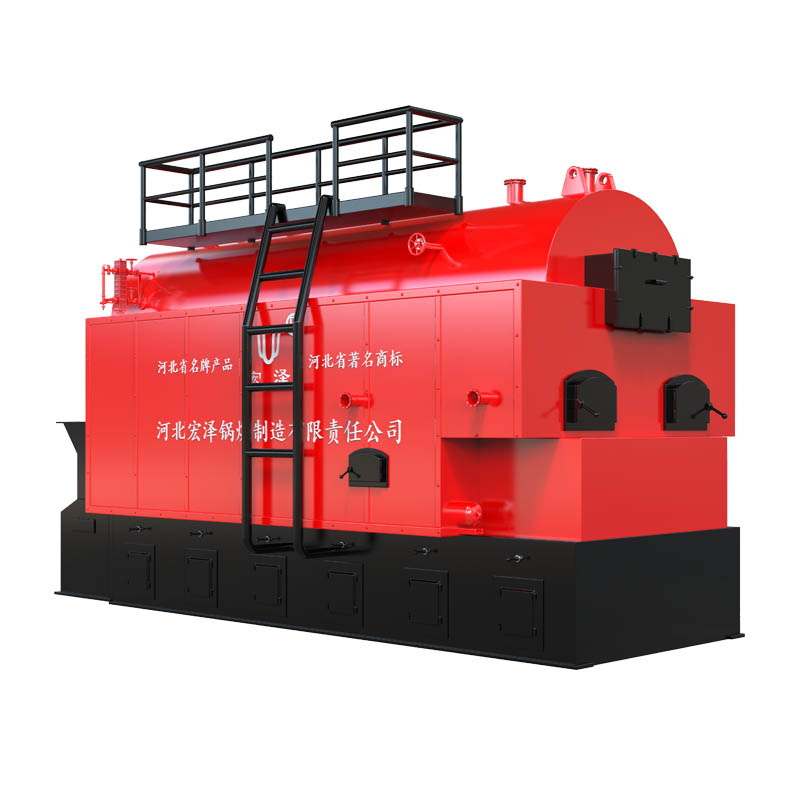
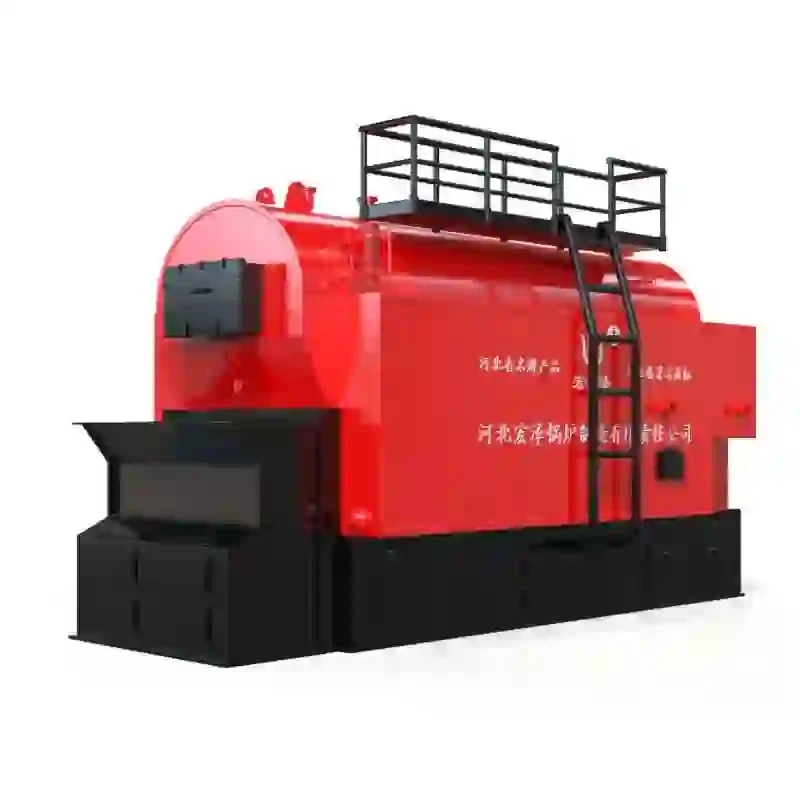
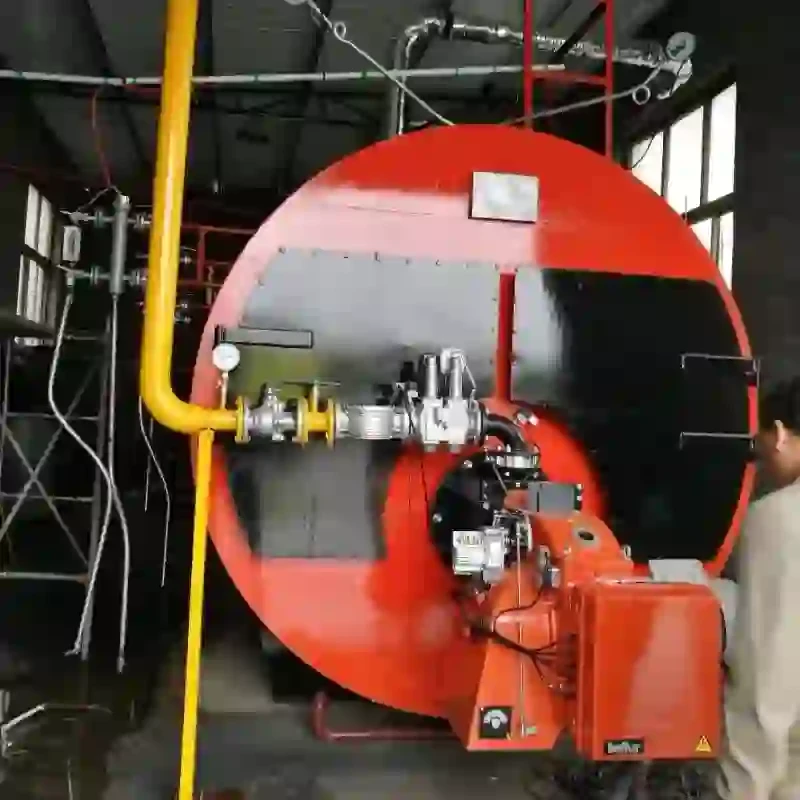
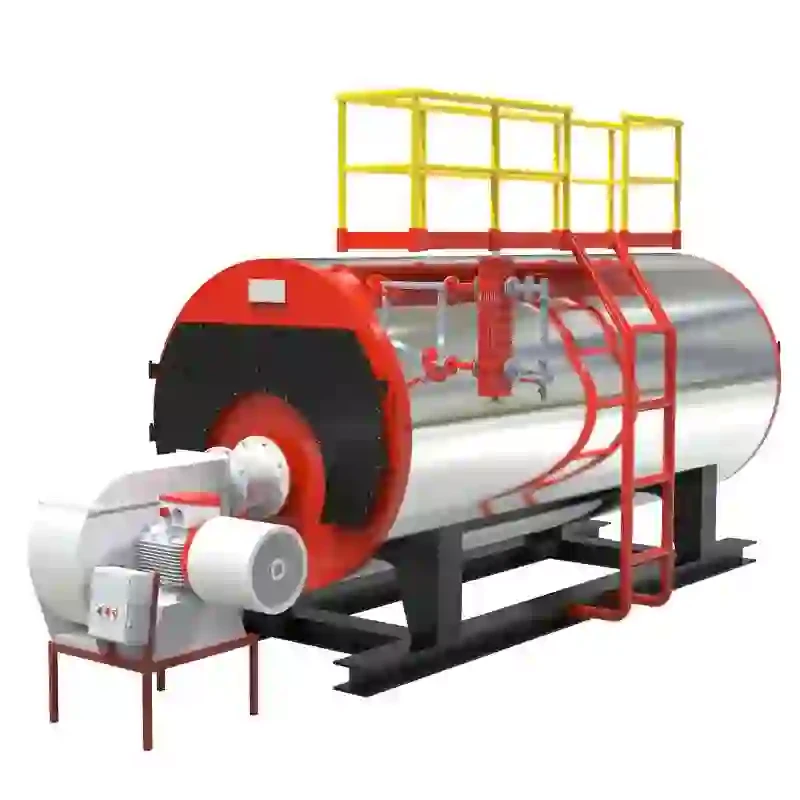
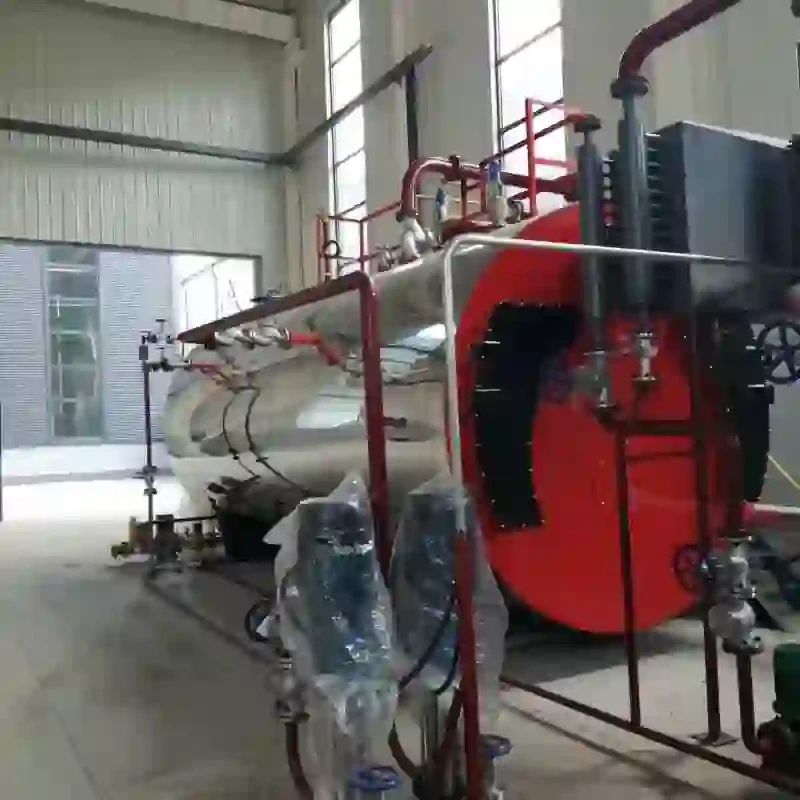
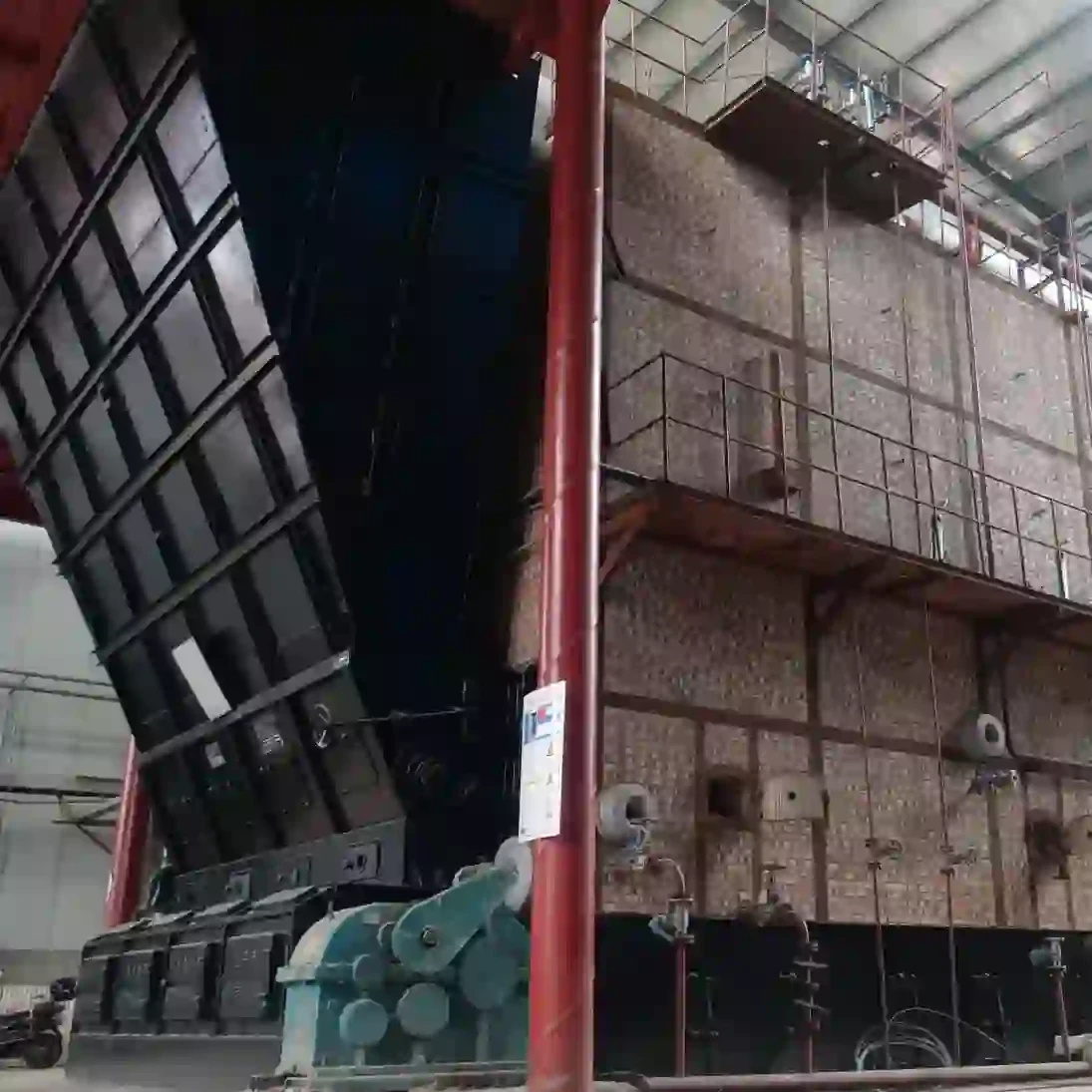
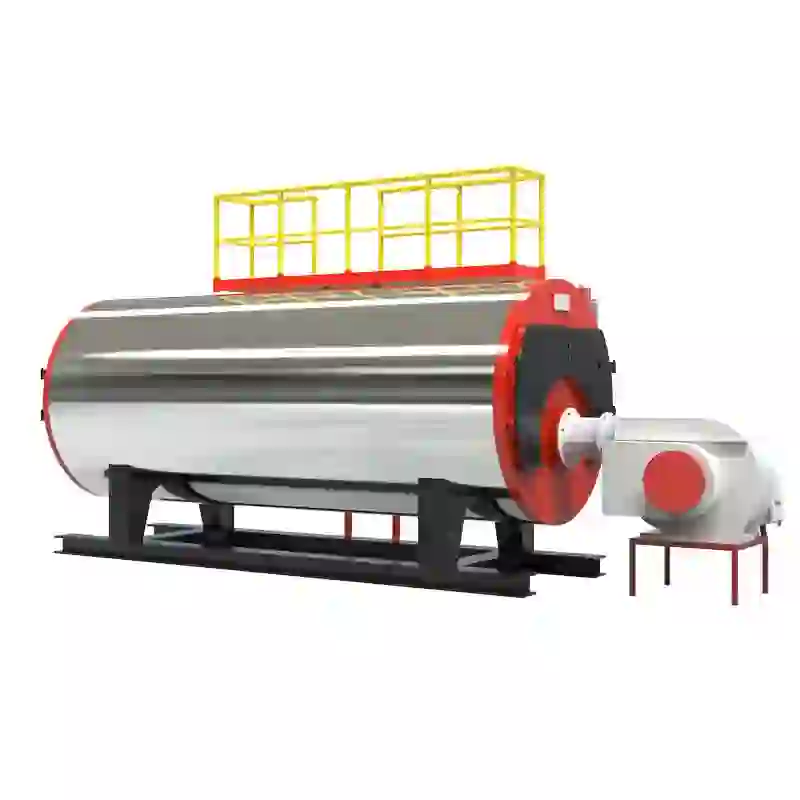
A Biomass Fired Hot Water Boiler combusts densified or loose biomass—pellets, chips, rice husk, even saw dust—on a grate. Heat transfers through water-cooled walls and flue passes to generate reliable hot water for space heating or process loops. Real-world thermal efficiency typically lands around 86–92% (LHV), depending on fuel moisture and return temperature.
Industry Trends (quick take)
- Decarbonization of district heating and campuses; biomass as a dispatchable, storable complement to heat pumps.
- Stronger emission controls—high-temperature ceramic filters and multi-cyclone setups becoming standard in Europe and, increasingly, Asia.
- Advanced controls—O2 trim, VFD fans, and online fuel-moisture compensation. It shows in smoother turndown.
Specification Snapshot
| Rated Thermal Power | 0.7–140 MW |
| Working Pressure | ≈0.7–2.5 MPa (labeling may vary by region) |
| Available Fuels | Biomass briquette, pellet, wood chip, rice husk, corn cob, saw dust |
| Thermal Efficiency | ≈86–92% LHV (real-world use may vary) |
| Hot Water Temperature | 70–95°C typical; low-temp circuits possible with proper design |
| Heat Exchanger | Carbon steel (e.g., SA-516 Gr.70) with corrosion allowance |
| Controls | PLC + O2 trim, frequency fans, safety interlocks |
| Service Life | ≈15–20 years with routine maintenance |
| Standards/Compliance | ASME, ISO 16528, EN 303-5 (class targets), PED/CE as specified |
Process Flow & Quality
Materials: pressure parts in boiler-grade steel; refractory-lined furnace; alloy-coated economizer for corrosion resistance. Methods: automated welding, PWHT where applicable, and surface passivation. Tests: NDT (UT/RT) on seams, hydrostatic test at ≈1.5× design pressure, combustion tuning, and emissions verification against EN 303-5 targets. Service life hinges on fuel cleanliness (ash/Cl/S), proper return temperatures, and scheduled ash evacuation.
Where It Fits Best
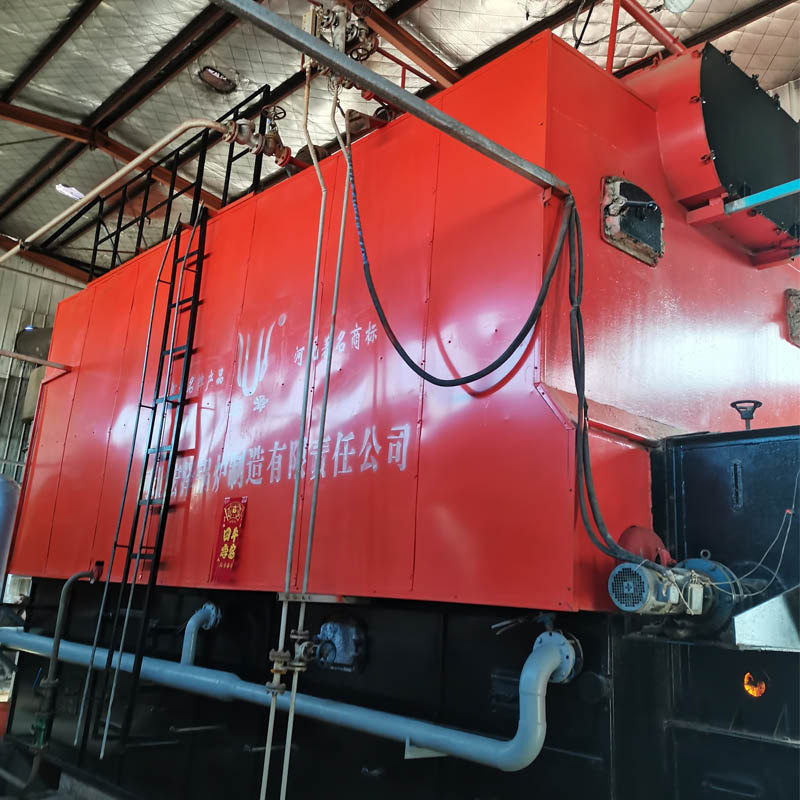
- District heating networks, campuses, hospitals, hotels.
- Food, textile, paper, and greenhouse heating loops.
- Facilities with steady heat profiles and local biomass supply.
Advantages: resilient fuel sourcing, predictable OPEX, and a strong decarbonization story. Many customers say the payoff accelerates when paired with thermal storage.
Vendor Comparison (indicative)
| Criteria | HZ Boiler (Origin: No.2 Suheng North Street, Raoyang County, Hengshui City) | Vendor A | Vendor B |
|---|---|---|---|
| Efficiency (LHV) | ≈88–92% | ≈85–90% | ≈86–91% |
| Certifications | ASME/ISO; PED on request | ISO; CE | ASME; local code |
| Grate & Fuel Flex | Reciprocating; wide fuel window | Fixed; pellets/chips | Hybrid; pellets |
| Lead Time | ≈45–90 days | ≈60–120 days | ≈75–110 days |
| Warranty | 12–18 months typical | 12 months | 12–24 months |
Customization & Options
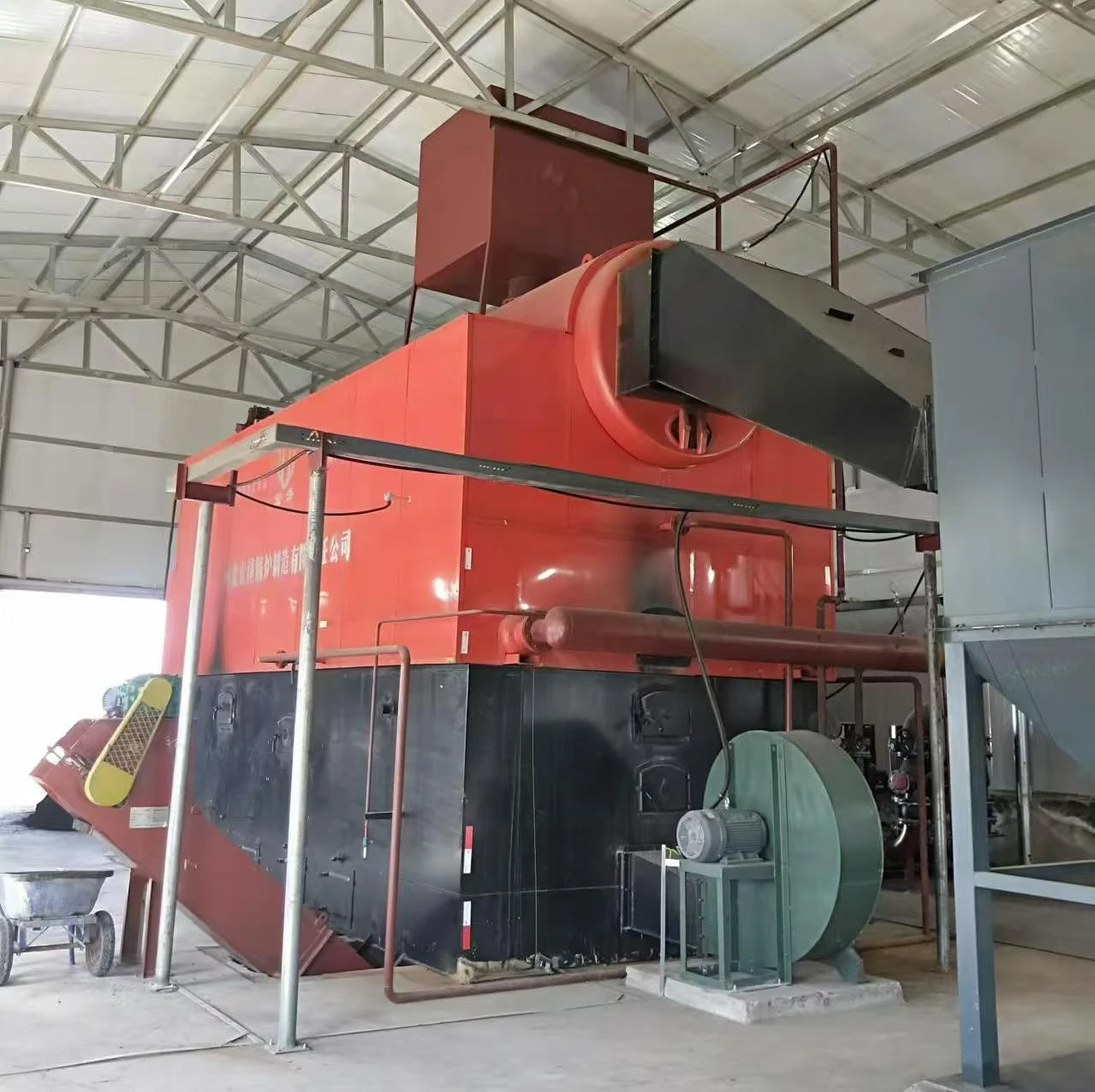
- Fuel handling: walking-floor bunker, screw or belt feeders; chip screening.
- Emission kit: multi-cyclone + bag filter; optional ceramic filter for stricter PM.
- Controls: O2 trim, flue-gas recirculation (for NOx), remote SCADA.
- Condensing economizer for low-return systems (watch chloride content).
Field Results (realistic snapshots)
Greenhouse, 20,000 m²: 4 MW unit on wood chips (≈30% moisture). Gas-to-biomass switch cut annual heat cost ~28%; measured stack O2 ~6%, PM after bag filter
District loop, small city campus: 10 MW base-load plus 2,000 m³ buffer. Seasonal efficiency ≈89.5%; NOx within local limits; operators liked the automated de-ashing—“less midnight shoveling,” as one put it.
Cert notes: designs can align with ASME BPVC, ISO 16528, EN 303-5 performance classes, and PED/CE. Commissioning typically includes hydro test, burner/grate tuning, and emissions check against the project spec. To be honest, fuel logistics and ash handling make or break day-two satisfaction—plan them early.
References
-
Hot Water Boiler Working Principle Explained: Efficiency, Applications, and Innovations
NewsDec.03,2025
-
Hot Water Boiler Design: Global Insights, Innovations, and Applications
NewsDec.03,2025
-
Understanding Hot Water Heat Boiler Replacement Cost: Factors, Benefits & Trends
NewsDec.03,2025
-
1 Million BTU Steam Boiler - Efficient Steam Solutions for Industry
NewsDec.02,2025
-
250 000 BTU Steam Boiler: Comprehensive Guide to Industrial Steam Power
NewsDec.02,2025
-
What You Need to Know About the 300 000 BTU Steam Boiler: Efficiency & Applications
NewsDec.02,2025


 English
  Arabic
  Bengali
  French
  German
  Hindi
Hindi  Indonesian
  Kazakh
  Khmer
Khmer  Korean
  Kyrgyz
  Lao
Lao  Latin
Latin  Mongolian
  Nepali
  Russian
  Turkish
  Turkmen
  Uzbek
Uzbek 


