




Mar . 24, 2026 02:15 Back to list
Comprehensive Guide to Steam Boilers Types Selection and Maintenance
Understanding Steam Boilers: A Comprehensive Guide
Steam boilers are essential components in numerous industrial processes, providing a reliable and efficient source of heat. From power generation to manufacturing and district heating, these systems play a critical role. This article will delve into the workings of steam boilers, their various types, key considerations when selecting one, and the importance of proper maintenance. Whether you’re exploring boiler solutions for your business or simply seeking to understand this vital technology, this guide offers comprehensive insights. Explore our range of high-quality steam boilers and find the perfect solution for your needs.
How Do Steam Boilers Work?
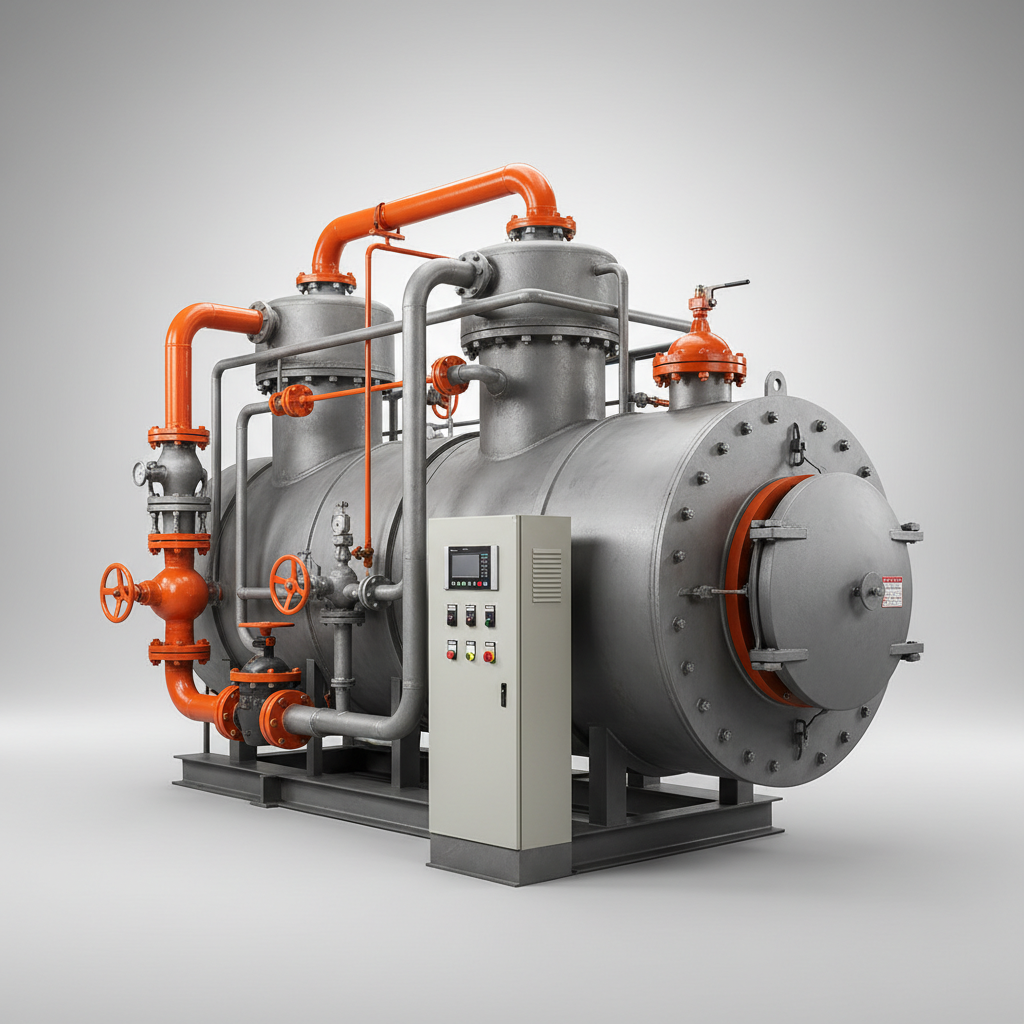
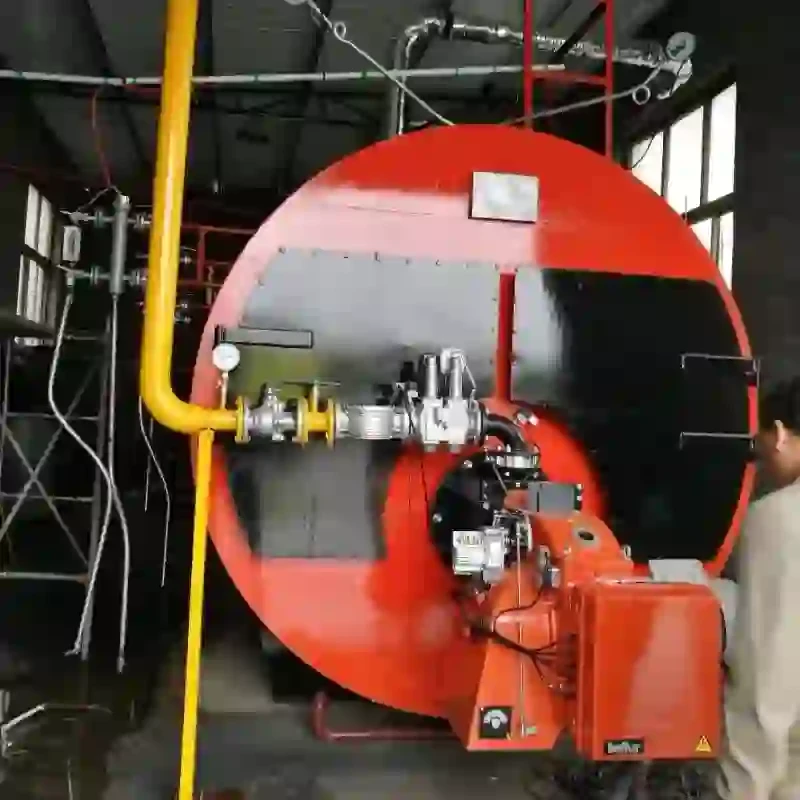
At their core, steam boilers function by applying heat to water, transforming it into steam. This process relies on a heat source – which can include fuels like natural gas, oil, coal, or electricity – to heat water within a closed vessel. As the water heats, it increases in pressure and eventually reaches its boiling point, converting into steam. This steam is then piped to various applications, such as turbines for electricity generation, heating systems, or industrial processes. Efficient steam boilers are crucial for minimizing energy consumption and maximizing operational efficiency.
Key Takeaway: Steam boilers effectively convert water into steam using heat, delivering a versatile energy source for a wide array of applications. Understanding this fundamental process is essential for efficient operation and maintenance.
Types of Steam Boilers
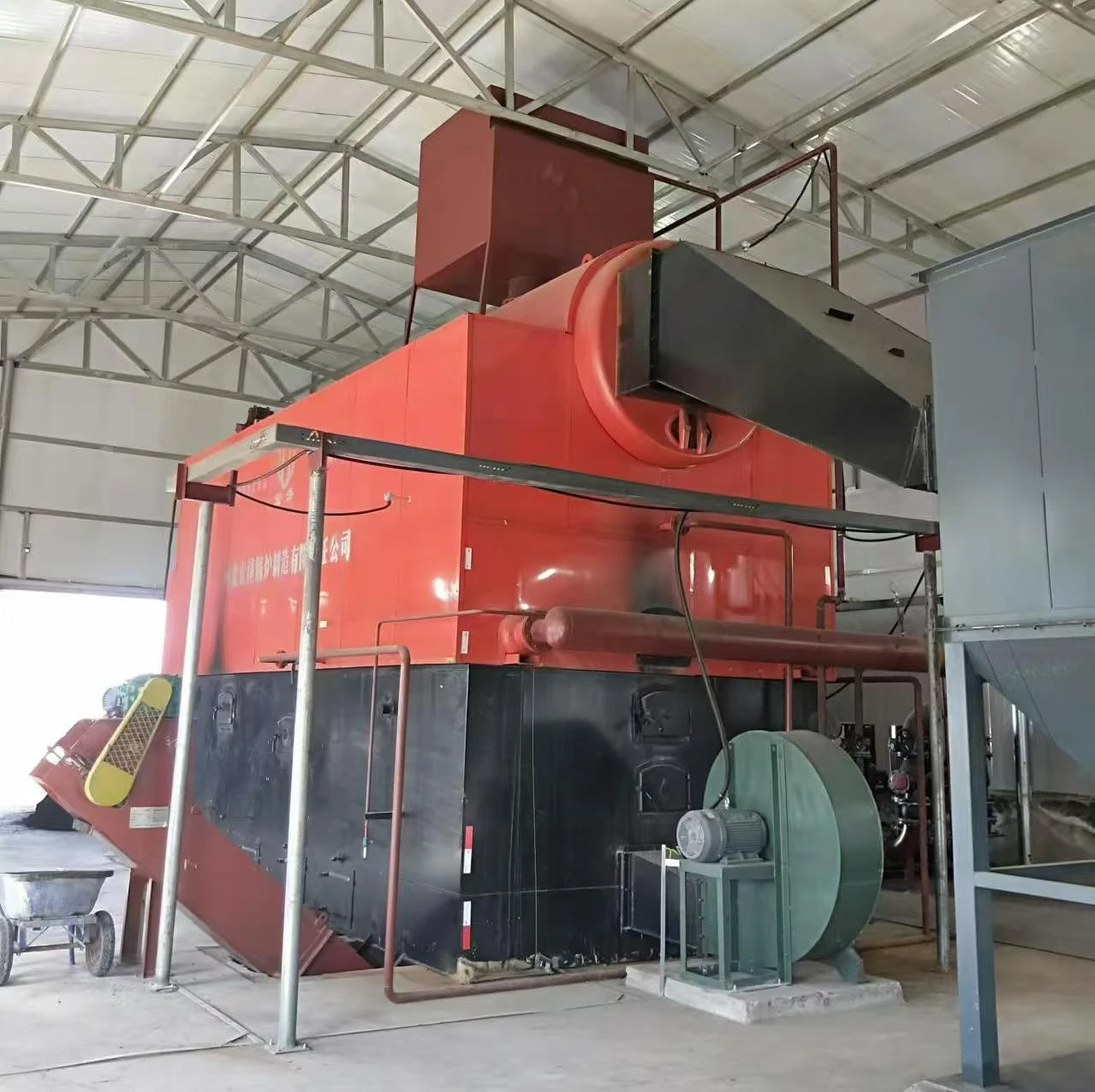
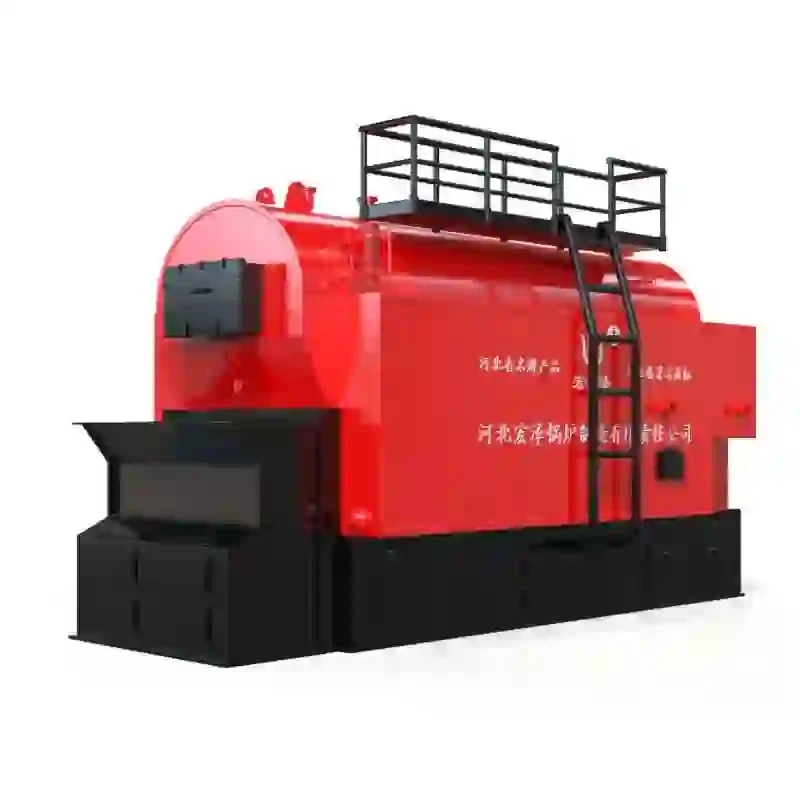
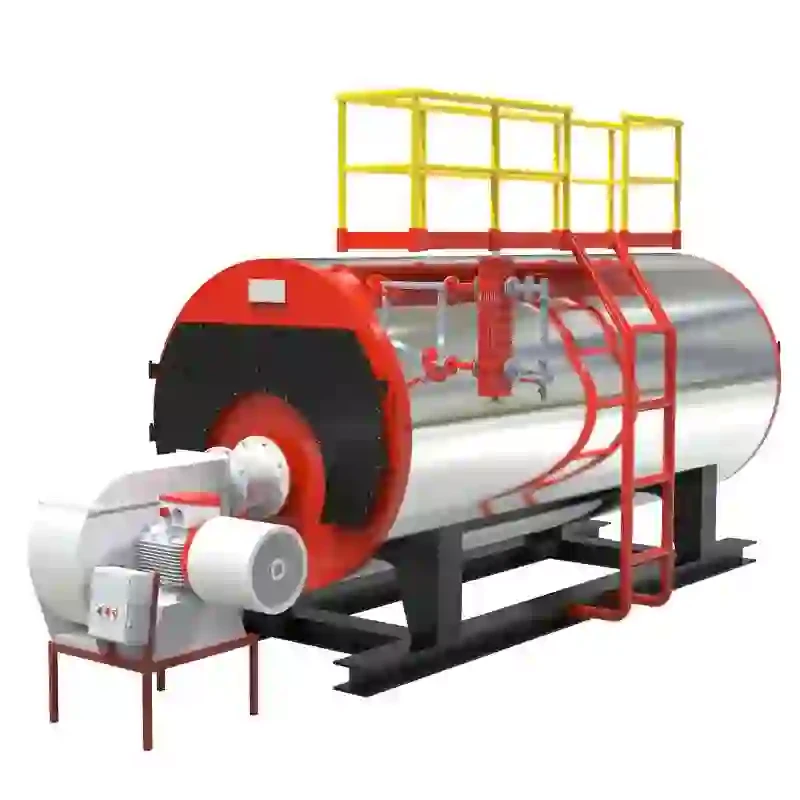
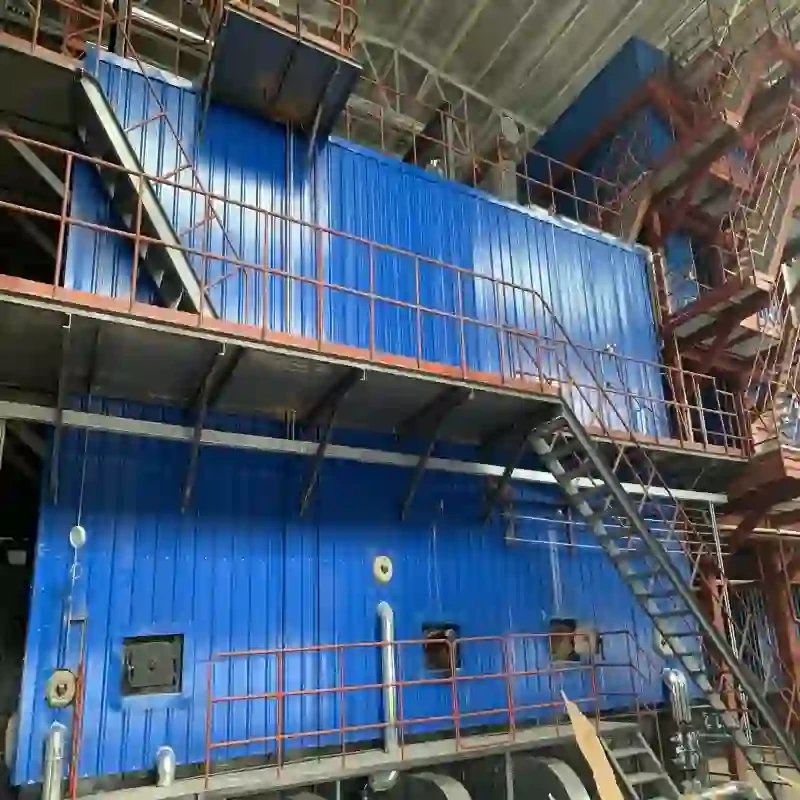
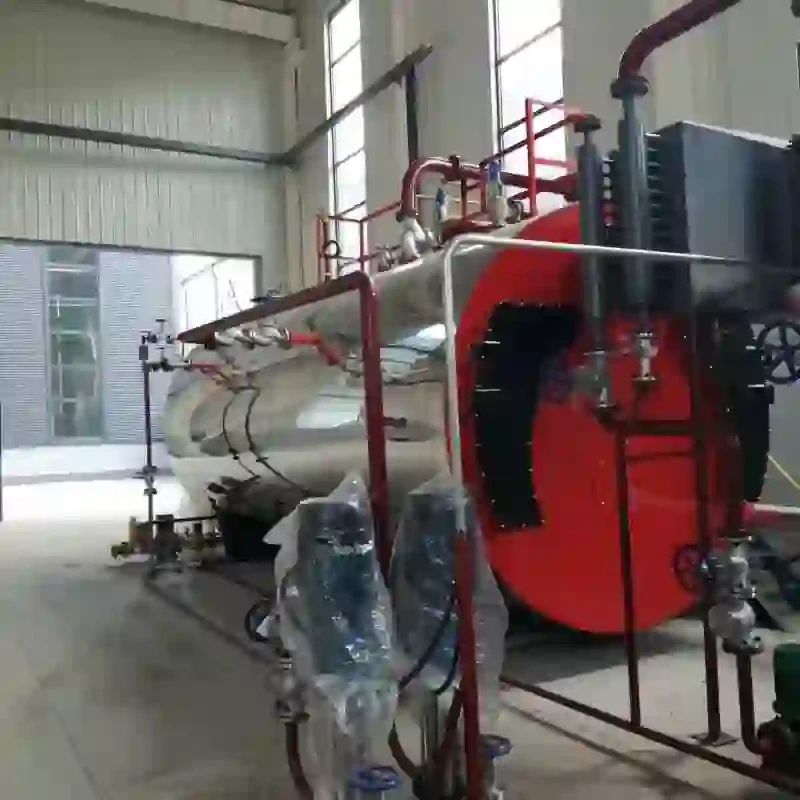
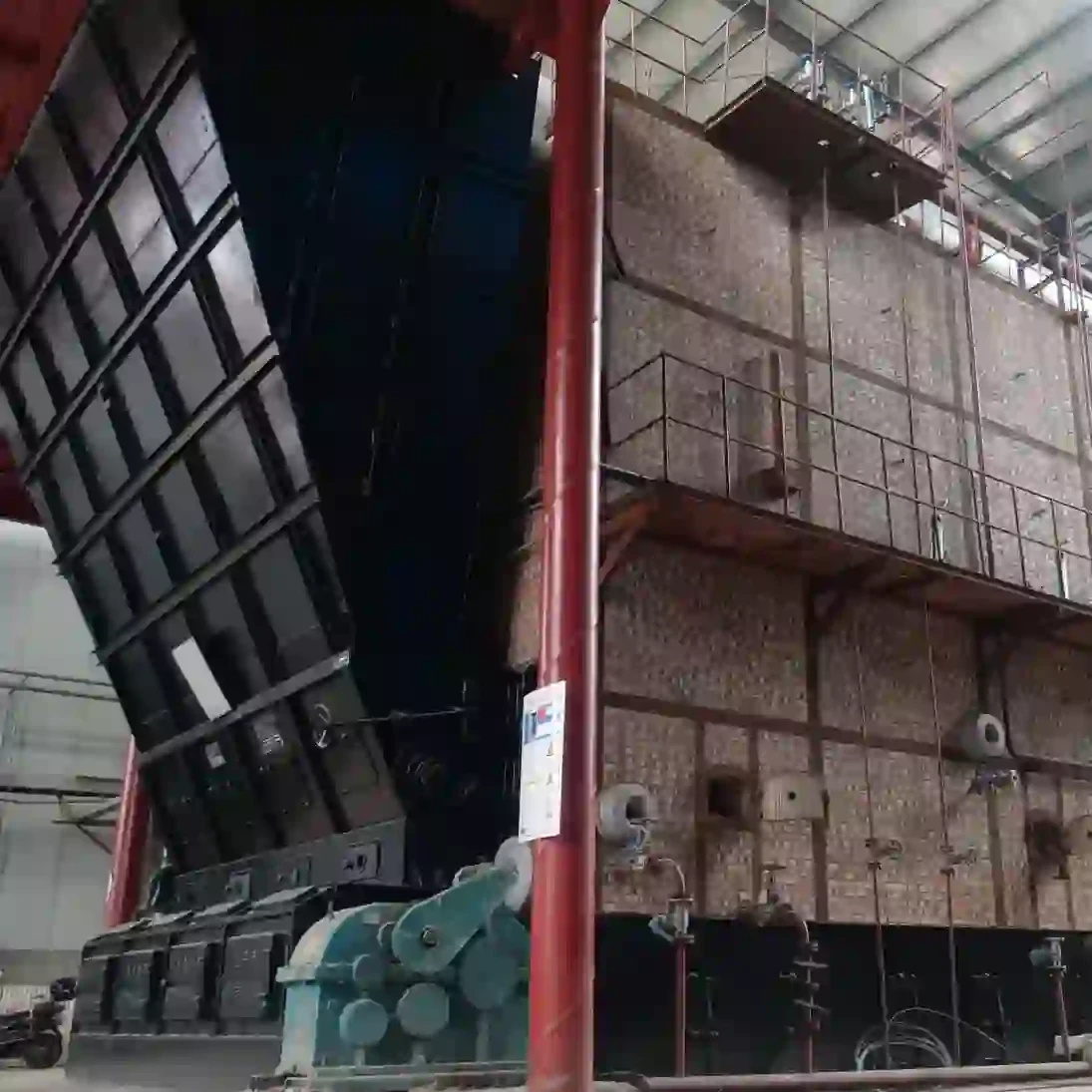
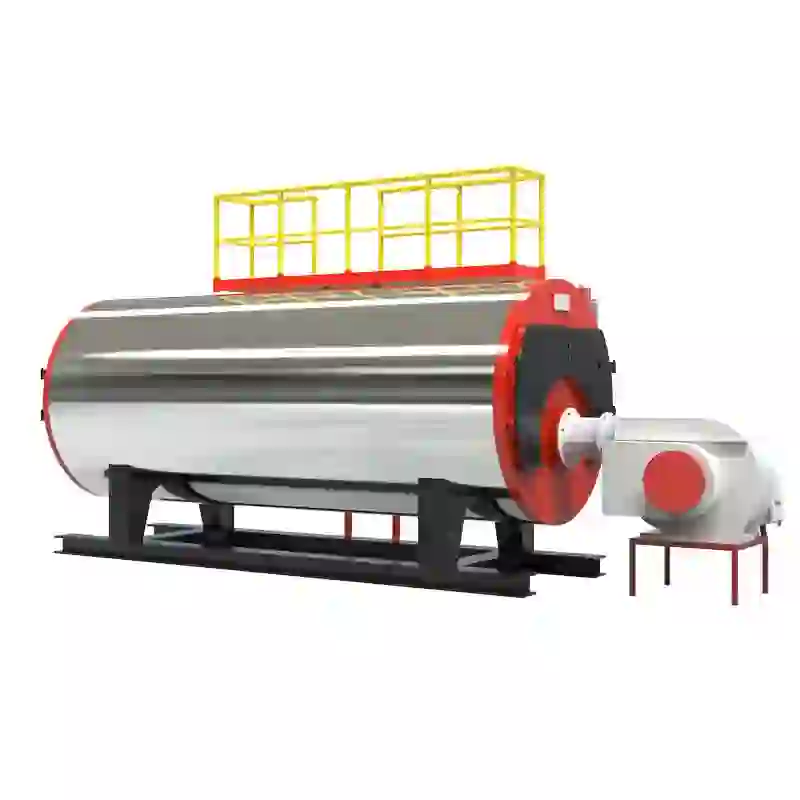
Several types of steam boilers cater to diverse needs. Fire-tube boilers are known for their simplicity and cost-effectiveness, suitable for smaller applications. Water-tube boilers, on the other hand, offer higher steam output and pressure capabilities, making them ideal for large-scale power generation and industrial processes. Condensing boilers boast exceptional efficiency by recovering heat from exhaust gases, while electric boilers provide a clean and precise heating solution. Selecting the correct type is crucial for optimizing performance and meeting specific operational requirements. We offer a comprehensive range of boiler types at HZ Steam Boiler.
Boiler Type Comparison:
• Fire-tube boilers: Simple, cost-effective, smaller applications.
• Water-tube boilers: High output, high pressure, large-scale.
• Condensing boilers: High efficiency, heat recovery.
• Electric boilers: Clean, precise heating.
Key Considerations When Selecting a Steam Boiler
Choosing the right steam boiler involves careful evaluation of several factors. The required steam output and pressure, the type of fuel available, space constraints, and budgetary considerations all play a role. It’s also vital to assess the boiler's efficiency rating and its compliance with relevant safety standards. Consider future scalability and potential maintenance requirements. Properly assessing these factors ensures a long-term, reliable, and cost-effective solution. Our experts at HZ Steam Boiler can help you navigate these complexities.
The Importance of Regular Steam Boiler Maintenance
Consistent maintenance is crucial for ensuring the longevity and efficiency of your steam boiler. Regular inspections can identify potential problems, such as leaks, corrosion, or scaling, before they escalate into costly repairs. Routine cleaning and water treatment help prevent the build-up of deposits that reduce heat transfer efficiency. Following the manufacturer’s recommended maintenance schedule is paramount. Properly maintained boilers not only operate more efficiently but also enhance safety and reduce the risk of unexpected downtime. HZ Steam Boiler provides comprehensive maintenance services.
Steam Boiler Efficiency and Environmental Considerations
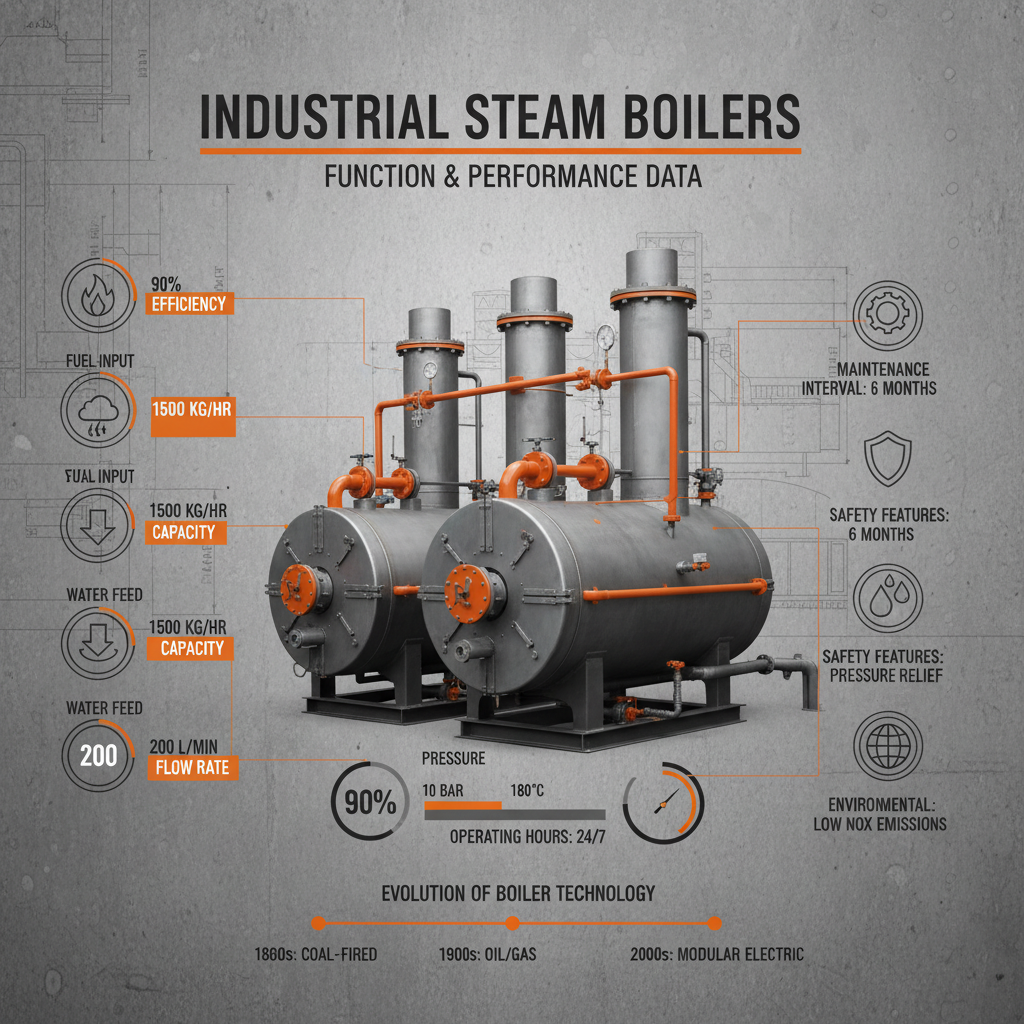
Modern steam boilers are designed with efficiency and environmental responsibility in mind. Features like condensing technology and low-NOx burners help minimize fuel consumption and reduce emissions. Regular maintenance, as discussed earlier, also plays a significant role in maintaining peak efficiency. Selecting a boiler that meets or exceeds environmental regulations is essential for sustainable operations. Investing in energy-efficient boilers can significantly reduce your carbon footprint and lower operating costs. HZ Steam Boiler is committed to providing eco-friendly solutions.
Conclusion: Investing in a Reliable Steam Boiler System
Choosing the right steam boiler is a critical decision for any organization relying on efficient and reliable heat generation. By understanding the different types, considering key selection factors, and prioritizing regular maintenance, you can ensure optimal performance, longevity, and environmental responsibility. HZ Steam Boiler offers a comprehensive range of solutions and expert support to meet your specific needs.
Frequently Asked Questions (FAQs)
What is the typical lifespan of a steam boiler?
The lifespan of a steam boiler typically ranges from 20 to 30 years, provided it receives regular maintenance and is operated within its designed parameters. Factors influencing lifespan include the quality of the materials, the frequency of use, water quality, and the effectiveness of the maintenance program. Regular inspections are crucial to identify potential issues early on and prevent premature failure. A well-maintained boiler can often exceed its expected lifespan. At HZ Steam Boiler, we provide services that extend the life of your equipment.
How often should a steam boiler be inspected?
A steam boiler should be inspected at least annually by a qualified and certified inspector. In addition, internal inspections are typically required every 3-5 years, depending on the boiler’s type and local regulations. Regular inspections help identify corrosion, leaks, and other potential problems that could compromise safety and efficiency. Adhering to a consistent inspection schedule is crucial for maintaining boiler integrity and preventing accidents.
What are the benefits of a condensing steam boiler?
Condensing steam boilers offer significantly higher efficiency compared to traditional boilers. They recover heat from the exhaust gases that would otherwise be lost, utilizing it to preheat the incoming water. This results in lower fuel consumption and reduced emissions. While the initial cost may be higher, the long-term savings on fuel bills often outweigh the investment. They are an environmentally friendly choice.
What water treatment is necessary for steam boilers?
Proper water treatment is vital to prevent scale buildup, corrosion, and other issues that can reduce boiler efficiency and lifespan. This typically involves softening the water to remove minerals, adding chemicals to control pH levels, and implementing a blowdown schedule to remove accumulated sediment. Regular water testing is essential to ensure the treatment program is effective. Untreated water can lead to significant damage and costly repairs.
-
Industrial Natural Gas Steam Boiler High Efficiency System Guide
NewsApr.16,2026
-
Maximize Industrial Productivity with High Efficiency Gas Steam Boiler
NewsApr.09,2026
-
Comprehensive Guide to Industrial Steam Heater Systems and Applications
NewsApr.07,2026
-
Comprehensive Guide to Low Pressure Steam Boilers and Their Applications
NewsApr.04,2026
-
Understanding High Pressure Steam Boiler Technology and Industrial Applications
NewsMar.31,2026
-
Comprehensive Guide to High Efficiency Steam Boiler Systems and Applications
NewsMar.28,2026


 English
  Arabic
  Bengali
  French
  German
  Hindi
Hindi  Indonesian
  Kazakh
  Khmer
Khmer  Korean
  Kyrgyz
  Lao
Lao  Latin
Latin  Mongolian
  Nepali
  Russian
  Turkish
  Turkmen
  Uzbek
Uzbek 


