




Mar . 28, 2026 02:15 Back to list
Comprehensive Guide to High Efficiency Steam Boiler Systems and Applications
High Efficiency Steam Boiler: A Comprehensive Guide
In industrial settings, the demand for reliable and efficient steam generation is paramount. A high efficiency steam boiler is crucial for various applications, ranging from power generation and process heating to sterilization and district heating. This article provides a thorough overview of high efficiency steam boilers, covering their benefits, types, key components, and considerations for selection. We'll explore why investing in a modern, efficient boiler can significantly reduce operating costs and environmental impact.
Understanding High Efficiency Steam Boilers
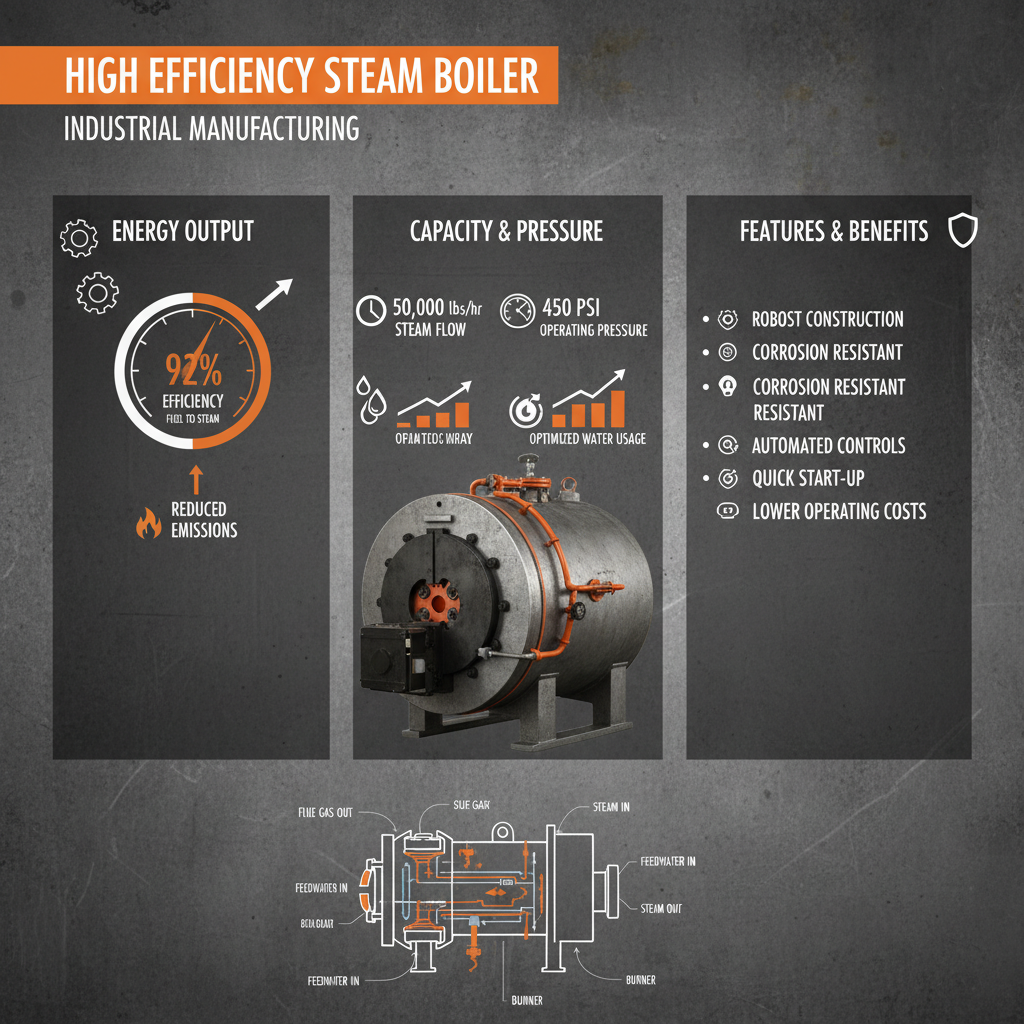
Traditional steam boilers often suffer from significant energy losses through the flue gas stack and radiation. High efficiency steam boilers are designed to minimize these losses through advanced technologies and optimized combustion processes. These technologies include economizers, superheaters, and improved insulation. The result is a significantly higher thermal efficiency, leading to reduced fuel consumption and lower operational costs. Furthermore, modern boilers incorporate sophisticated control systems that automate operation and optimize performance based on steam demand.
Key Benefits: Reduced fuel consumption, lower operating costs, decreased emissions, improved reliability, and enhanced control.
Types of High Efficiency Steam Boilers
Several types of high efficiency steam boilers are available, each suited to different applications and fuel sources. These include:
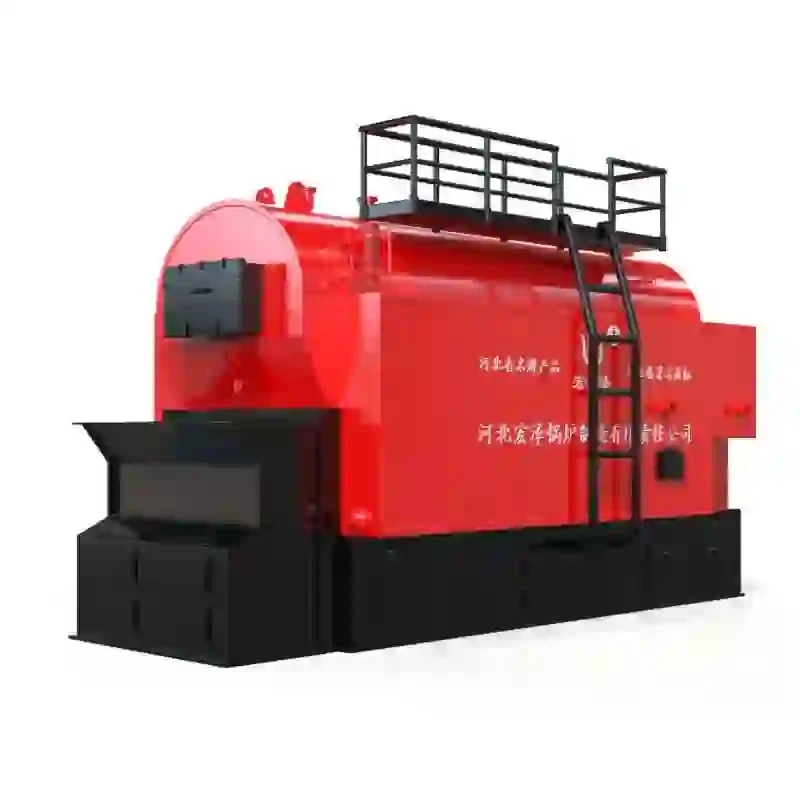
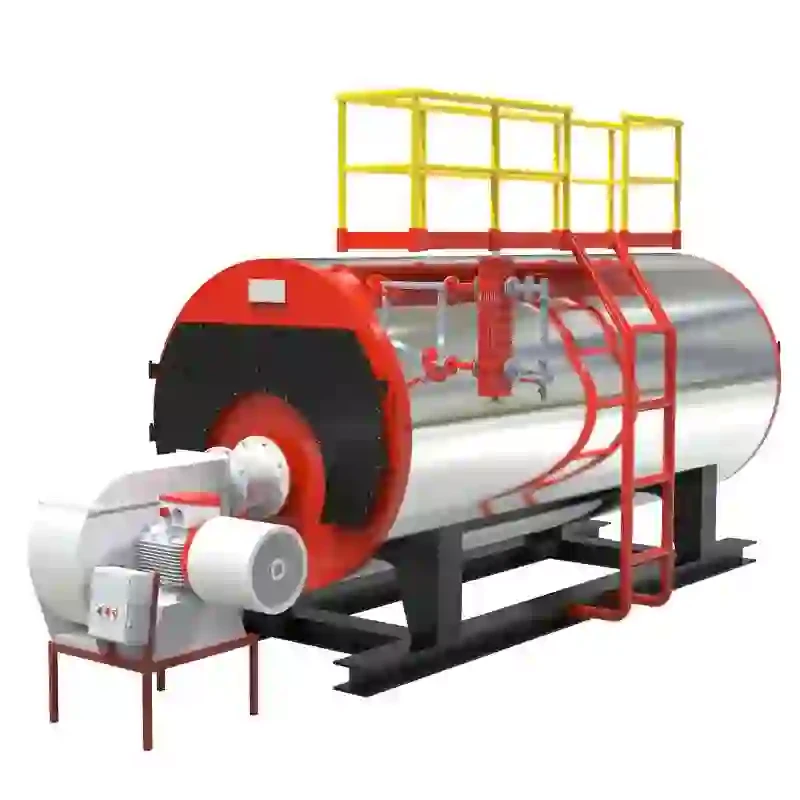
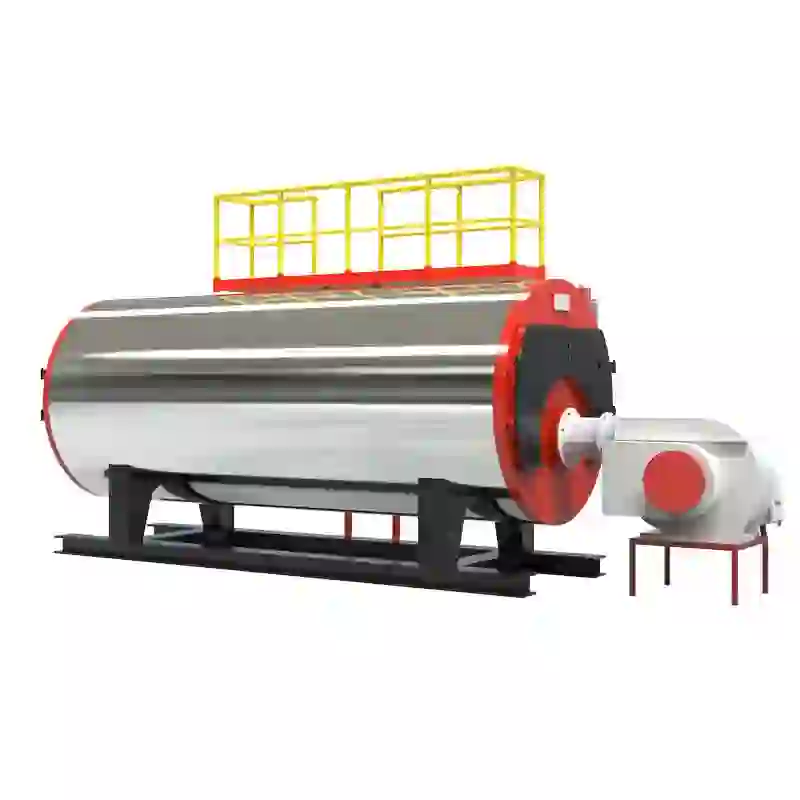
- Fire-Tube Boilers: These boilers feature tubes running through a water-filled shell. They are generally more robust and suitable for lower pressure applications.
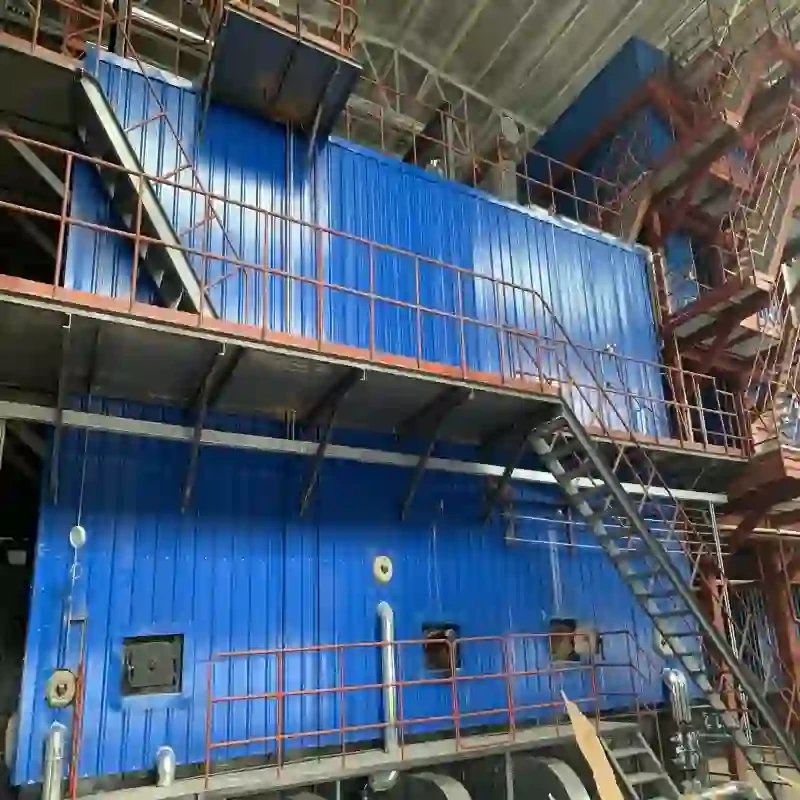
- Water-Tube Boilers: Water circulates within tubes surrounded by hot gases. They are capable of handling higher pressures and are often used in power generation.
- Condensing Boilers: These boilers recover heat from the flue gases by condensing the water vapor, further increasing efficiency.
- Combined Cycle Boilers: Integrate steam generation with gas turbine cycles for very high efficiencies.
The optimal choice depends on factors such as steam demand, fuel type, space limitations, and budget. HZ Steam Boiler offers a range of boiler types to meet diverse industrial needs.
Key Components of a High Efficiency Steam Boiler
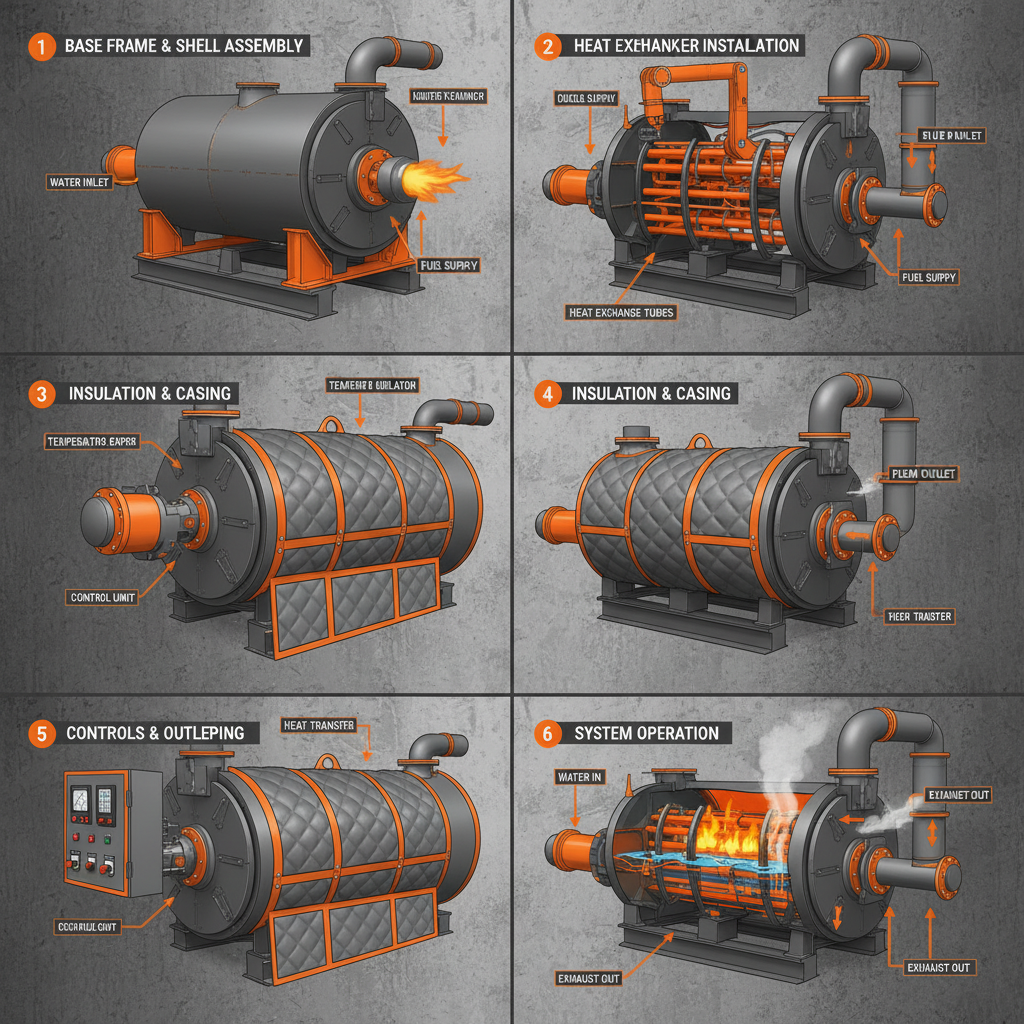
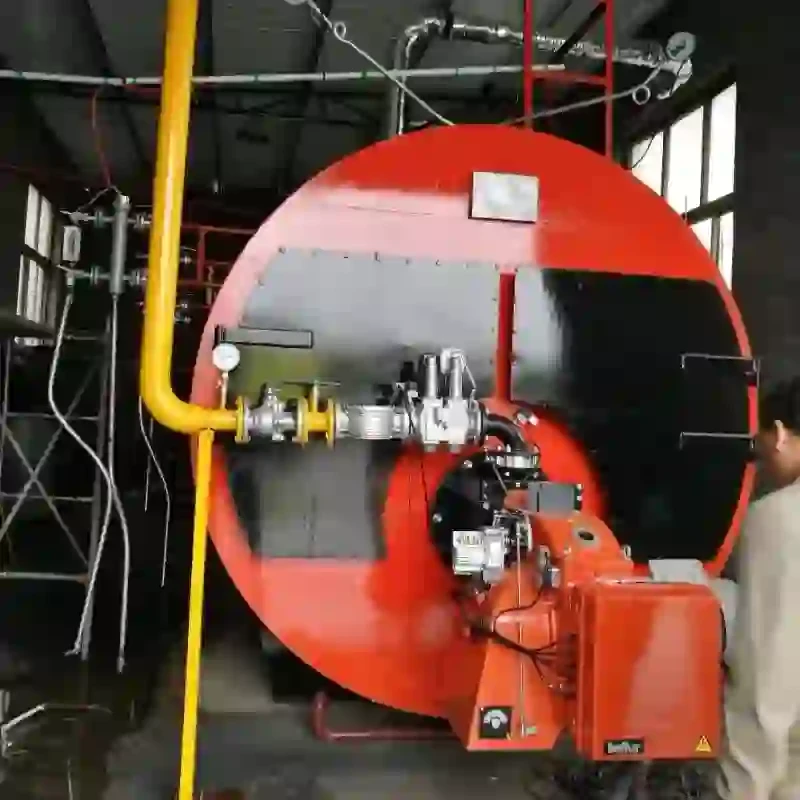
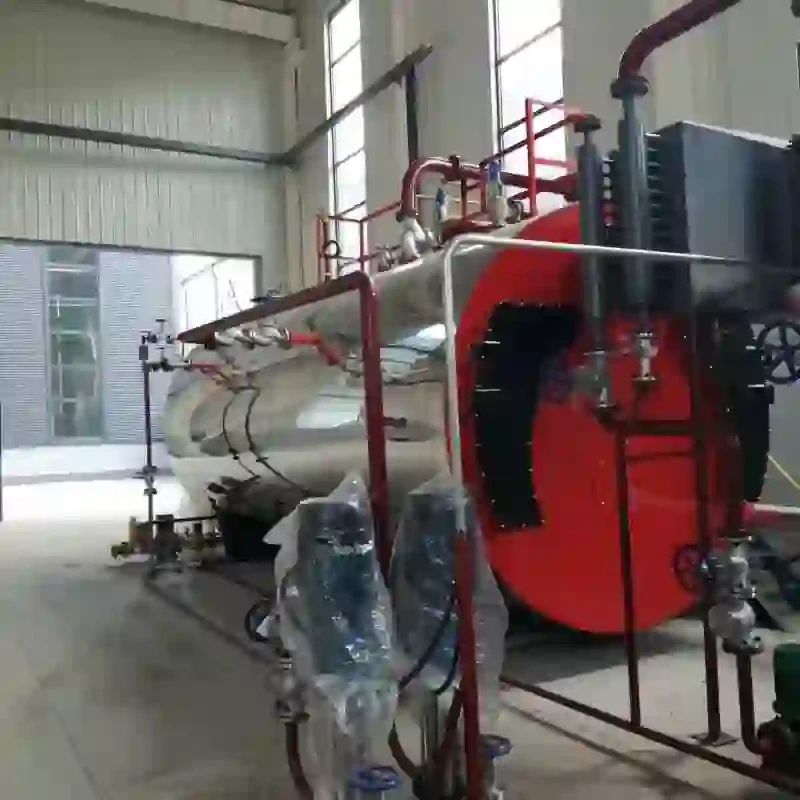
A high efficiency steam boiler comprises several crucial components working in synergy. These include the furnace, boiler drum, tubes, economizer, superheater, burners, control system, and safety valves. The furnace is where fuel combustion takes place. The boiler drum separates steam from water. The economizer recovers heat from flue gases to preheat feedwater. The superheater further heats the steam to improve its quality. A sophisticated control system manages boiler operation, ensuring optimal efficiency and safety.
Component Importance:
• Economizer: Significantly increases efficiency by recovering waste heat.
• Superheater: Improves steam quality for various applications.
• Control System: Automates operation and optimizes performance.
High Efficiency Steam Boiler vs. Traditional Boiler: Performance Comparison
The performance difference between a high efficiency steam boiler and a traditional boiler is significant. The table below highlights a comparative overview.
Selecting the Right High Efficiency Steam Boiler
Choosing the optimal high efficiency steam boiler requires careful consideration of several factors. These include steam demand, fuel availability, operating pressure, space constraints, environmental regulations, and budget. Working with a reputable boiler manufacturer, like HZ Steam Boiler, can provide valuable insights and ensure a tailored solution for your specific needs.
Conclusion: Investing in a Sustainable Future
Investing in a high efficiency steam boiler is a strategic move for businesses seeking to reduce operating costs, minimize environmental impact, and enhance reliability. By leveraging advanced technologies and optimizing combustion processes, these boilers deliver significant energy savings and contribute to a more sustainable future. Contact HZ Steam Boiler today to explore our range of solutions and find the perfect boiler for your industrial application.
Frequently Asked Questions (FAQs)
What is the typical payback period for a high efficiency steam boiler?
The payback period for a high efficiency steam boiler varies depending on factors like the initial investment, fuel costs, steam demand, and operating hours. However, typically, the investment can be recovered within 2 to 5 years due to the significant reduction in fuel consumption. When considering the long-term benefits, including reduced maintenance and lower emissions, a high efficiency boiler represents a sound financial decision. A detailed cost-benefit analysis tailored to your specific operation is recommended.
What maintenance is required for a high efficiency steam boiler?
Regular maintenance is crucial for ensuring optimal performance and longevity. This includes periodic inspections of the boiler tubes, drum, burners, and control system. Water treatment is essential to prevent scaling and corrosion. Annual professional servicing by a qualified technician is highly recommended. HZ Steam Boiler offers comprehensive maintenance services to keep your boiler running efficiently.
Can high efficiency steam boilers run on different fuel types?
Yes, high efficiency steam boilers can be designed to operate on various fuel types, including natural gas, oil, coal, biomass, and even waste heat. The choice of fuel depends on availability, cost, and environmental considerations. HZ Steam Boiler offers boilers optimized for a wide range of fuel sources.
What are the environmental benefits of using a high efficiency steam boiler?
High efficiency steam boilers significantly reduce greenhouse gas emissions, including carbon dioxide (CO2), by consuming less fuel. They also produce lower levels of nitrogen oxides (NOx) and sulfur oxides (SOx), contributing to improved air quality. By minimizing fuel consumption and emissions, these boilers promote a more sustainable industrial operation and help meet environmental regulations.
-
Industrial Natural Gas Steam Boiler High Efficiency System Guide
NewsApr.16,2026
-
Maximize Industrial Productivity with High Efficiency Gas Steam Boiler
NewsApr.09,2026
-
Comprehensive Guide to Industrial Steam Heater Systems and Applications
NewsApr.07,2026
-
Comprehensive Guide to Low Pressure Steam Boilers and Their Applications
NewsApr.04,2026
-
Understanding High Pressure Steam Boiler Technology and Industrial Applications
NewsMar.31,2026


 English
  Arabic
  Bengali
  French
  German
  Hindi
Hindi  Indonesian
  Kazakh
  Khmer
Khmer  Korean
  Kyrgyz
  Lao
Lao  Latin
Latin  Mongolian
  Nepali
  Russian
  Turkish
  Turkmen
  Uzbek
Uzbek 


