




Dec . 13, 2025 23:55 Back to list
Steam Engine Boiler Design: Modern Innovations for Efficient Industrial Energy
Understanding Steam Engine Boiler Design: Why It Still Matters
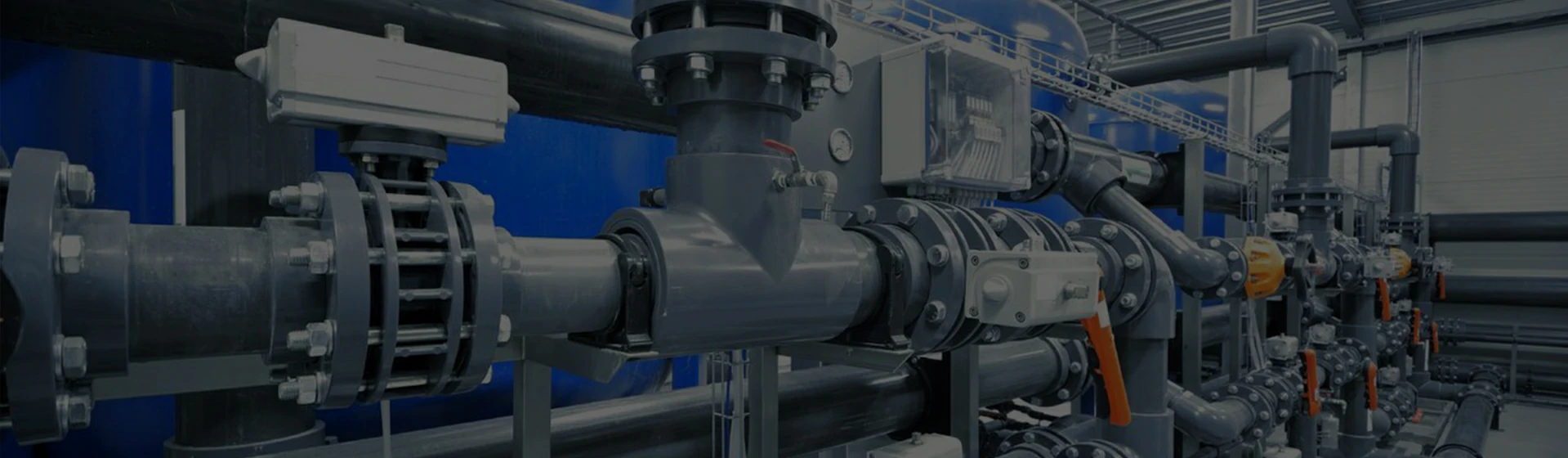
Steam engine boiler design might feel like a phrase pulled from the history books, but its significance remains surprisingly current — not just for nostalgia buffs or vintage train fans, but for industries worldwide relying on efficient energy conversion. Globally, boiler systems underpin manufacturing, electricity generation, and large-scale heating applications. Getting a grip on how these systems are designed means we can optimize safety, energy use, and sustainability — essential in a world pushing towards greener technologies.
Basically, thinking about steam engine boiler design today isn’t just about steam power history revisited; it’s a doorway to smarter energy strategies across diverse sectors.
Why Steam Engine Boiler Design Knows No Borders
The global energy industry faces immense pressure to deliver reliable power while cutting carbon footprints — a challenge especially felt in developing regions transitioning from traditional fuel sources. According to the International Energy Agency (IEA), boilers generate roughly 40% of the world’s industrial energy output. Yet, many of these systems still lag behind on efficiency and emissions.
Design improvements on steam engine boilers address this by making energy conversion cleaner and safer — a global necessity, given escalating climate goals and industrial demands. But it’s not only about reducing pollution; better design means fewer breakdowns, lower maintenance, and adaptable models suited for both sprawling urban utilities and remote industrial outposts.
So, What Exactly Is Steam Engine Boiler Design?
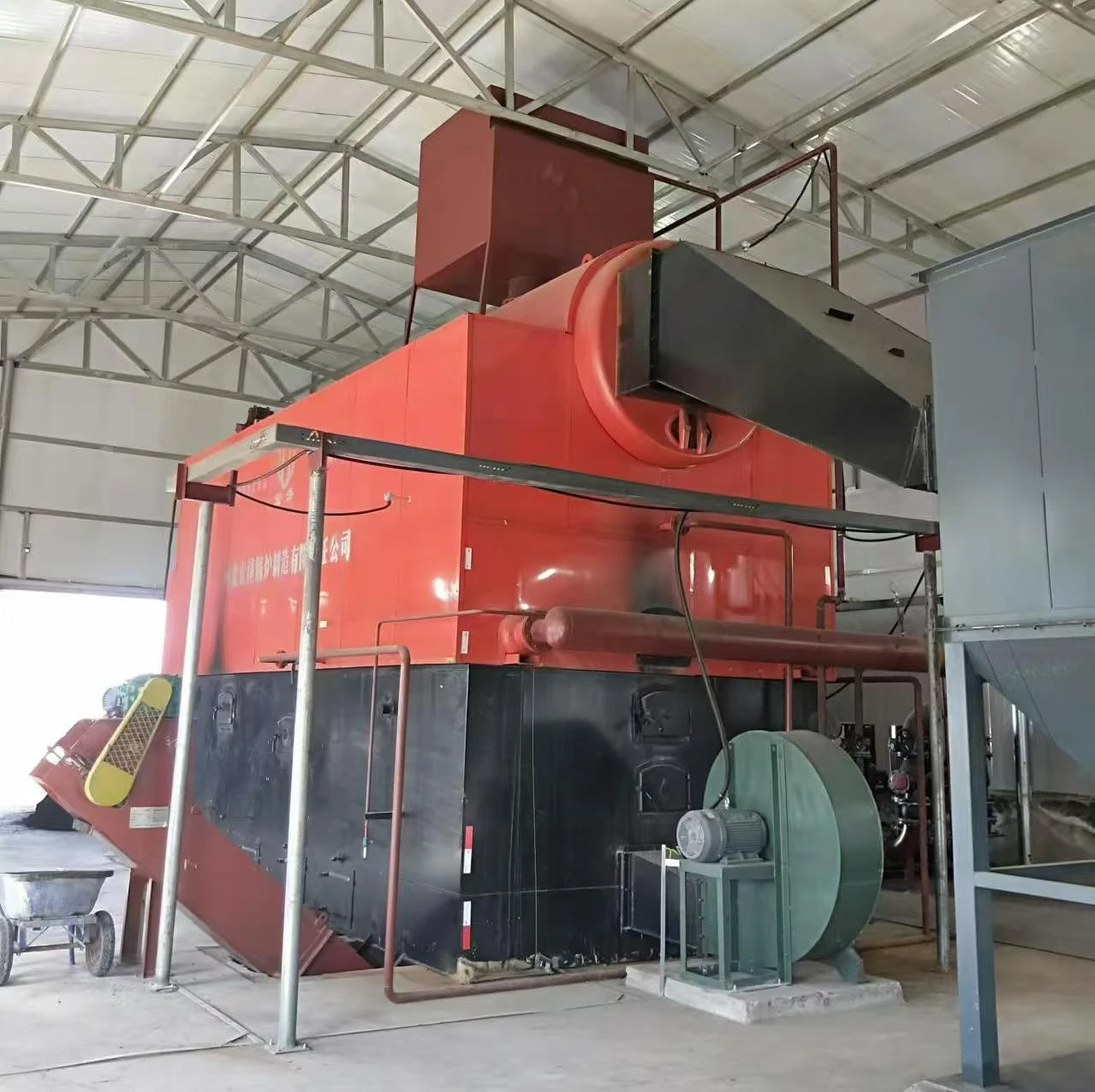
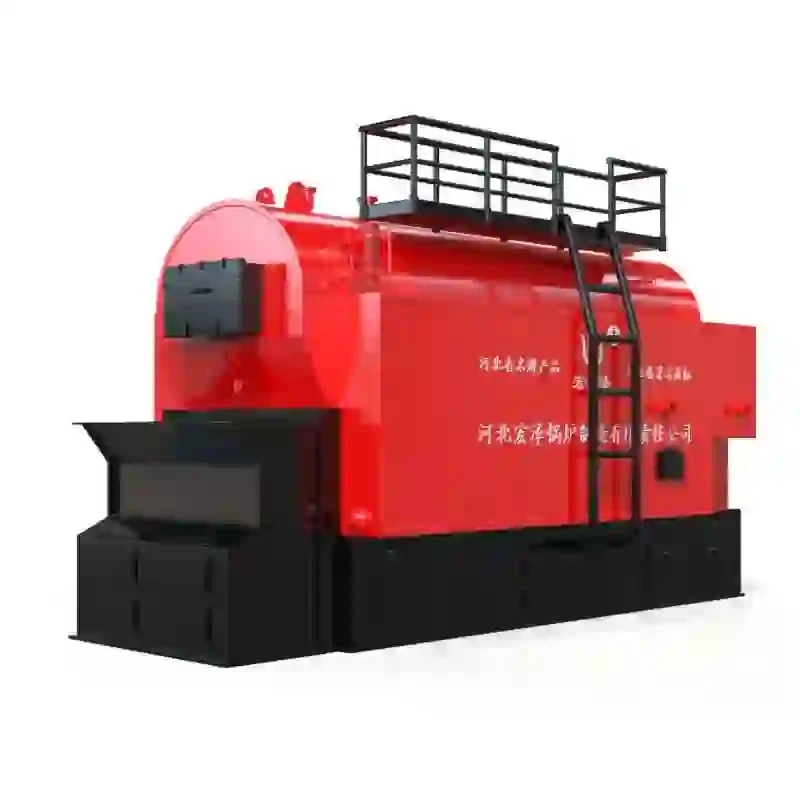
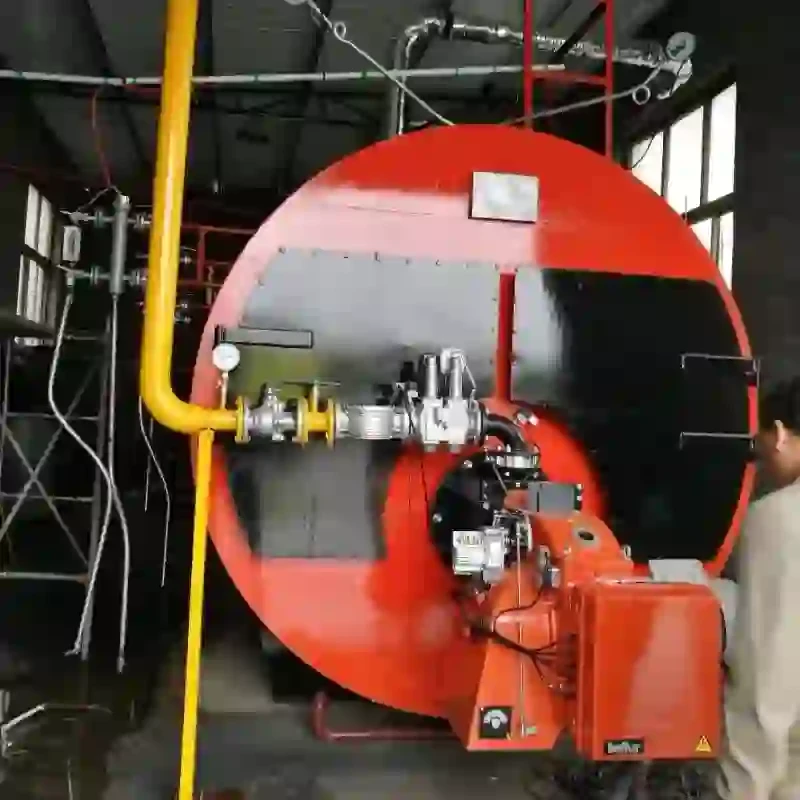
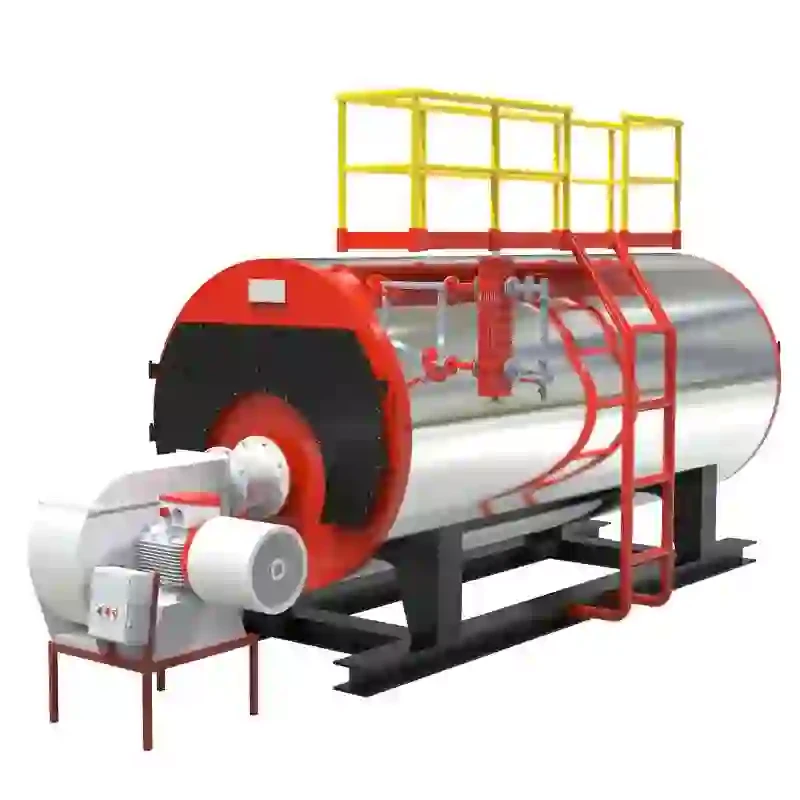
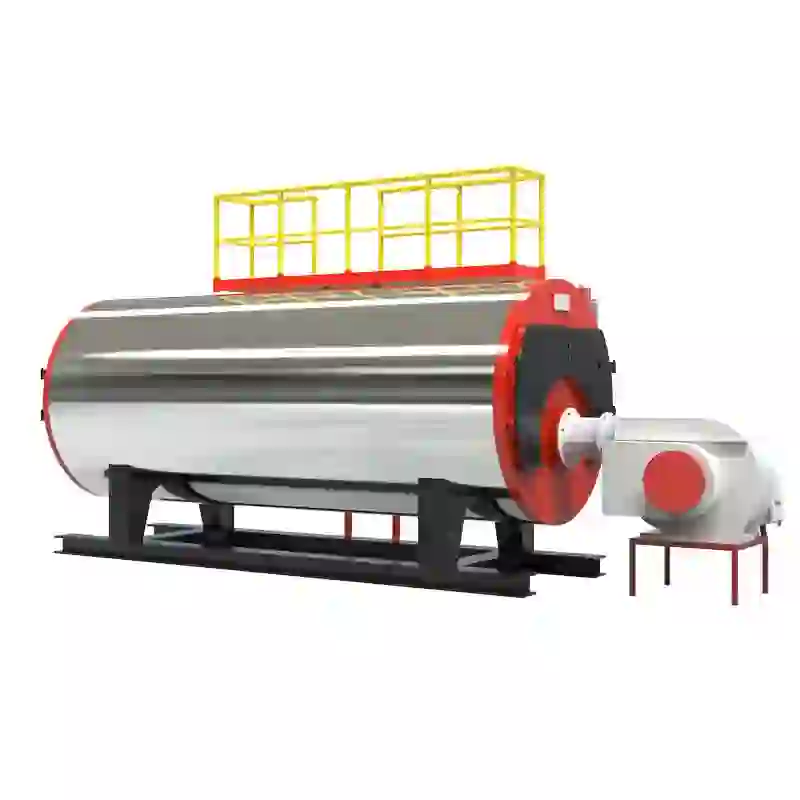
At its core, steam engine boiler design involves engineering a pressure vessel where water is converted into steam by heat — the steam then powers engines, turbines, or heating systems. The “design” aspect covers everything from material selection and shape to safety features and efficiency techniques.
Though rooted in 19th-century tech, today’s designs are far from primitive. They combine metallurgy, thermodynamics, and digital monitoring, making steam boilers critical in modern industries like power generation, manufacturing, and even humanitarian applications such as emergency energy supply and sterilization equipment.
For instance, the steam engine boiler design used in hospitals can mean the difference between life and death, ensuring sterilization of medical instruments under controlled, reliable conditions.
Key Pillars of Effective Steam Engine Boiler Design
1. Durability
Boilers operate under intense pressure and temperature — so durability is non-negotiable. Designers pick steel alloys or composites that tolerate thermal expansion and corrosion. Without this, the boiler risks catastrophic failure, with serious safety implications.
2. Efficiency
Burning fuel without squeezing maximum steam output means wasted energy and higher emissions. Design tweaks like optimizing the heat exchange surface area or integrating economizers go a long way. Efficient boilers save costs and reduce environmental footprint.
3. Scalability
Different industries need different sizes — from small-scale boilers powering local plants to massive systems for industrial parks or ships. Modular designs can simplify scaling up or down, making maintenance easier and deployment faster.
4. Safety Features
Steam under pressure is inherently dangerous. Modern designs incorporate automatic shutoffs, pressure relief valves, and digital sensors that alert operators instantly — decreasing risk for workers and facilities.
5. Cost Efficiency
Material costs, installation, and ongoing maintenance all add up. Smart design means balancing upfront expense with lifetime savings. Sometimes investing in premium materials means decades of hassle-free operation — a gamble that often pays off.
Mini Takeaway:
Designing a steam engine boiler is about more than just throwing metal together — it’s a precise balance of strength, safety, efficiency, and adaptability tailored for real-world needs.
Worldwide Applications: Where Steam Engine Boiler Designs Come to Life
Across the globe, steam boilers fuel everything from textile factories in India to paper mills in Scandinavia and sugar refineries in Brazil. They’re staples in electricity plants where turbines spin from steam generated on-site.
In some post-disaster zones, mobile steam boilers help purify water and sterilize equipment — a lifesaver when electrical grids fail. Remote mining operations often rely on compact designs to provide heat and power where traditional grids don’t reach.
Even naval fleets hold onto advanced steam boiler designs — adapting older marine tech with today’s materials and controls for propulsion and reliability on the high seas.
Advantages & Long-Term Value
- Cost Savings: Optimized designs cut fuel consumption significantly.
- Sustainability: Cleaner burns lower emissions and environmental impact.
- Safety & Reliability: Prevent accidents with cutting-edge monitoring.
- Social Impact: Support clean energy in developing areas, foster industrial growth.
- Innovation: Encourages continuous R&D and material advances.
Thinking beyond the spreadsheets, reliable steam boilers offer peace of mind to operators and communities — a quiet but essential backbone of economic stability and human health. It feels like an old idea, yet the moment demands new approaches.
Product Specification Table
| Feature | Typical Specs | Application Notes |
|---|---|---|
| Operating Pressure | 10 - 20 MPa (1450 - 2900 psi) | Standard for industrial power plants |
| Fuel Type | Coal, natural gas, biomass, electricity | Versatile depending on availability |
| Material | Alloyed steel with anti-corrosion coating | Ensures durability and safety |
| Efficiency | Up to 90% with economizer | Reduces fuel consumption |
| Safety Features | Pressure relief valves, automated sensors | Compliance with ISO standards |
Comparing Leading Boiler Design Vendors
| Vendor | Design Focus | Innovation | Global Reach | Estimated Price Range |
|---|---|---|---|---|
| HZ Steam Boilers | Modular, eco-friendly | High (digital monitoring) | Worldwide | $50K - $500K |
| Global Steam Ltd. | Heavy-duty industrial | Moderate (material advances) | Asia, Europe | $40K - $400K |
| GreenSteam Systems | Sustainability-first | High (biofuel integration) | North America, Europe | $55K - $600K |
Looking Ahead: Trends Shaping Steam Engine Boiler Design
The focus on decarbonization is driving boiler designers to experiment with alternative fuels — biomass, hydrogen, even waste heat recovery systems. Digital twins and IoT sensors let operators monitor conditions in real-time, catching issues before they explode into costly downtime.
Oddly enough, the steam engine boiler isn’t just surviving — it’s evolving alongside green energy policies and automation, staying relevant in a fast-changing energy landscape.
Challenges & Their Smart Fixes
Steam boilers face hurdles like initial high costs, scaling for smaller industries, and adapting to fuel variability. Not to mention the constant safety risk if designs are corner-cut. Experts advocate blended material science and modular builds to reduce expenses.
Plus, software-driven condition monitoring reduces human error, improving both safety and efficiency. Kind of like giving an old dog some clever new tricks.
FAQs About Steam Engine Boiler Design
Q1: What is the average lifespan of a well-maintained steam engine boiler?
A: With proper maintenance and materials resistant to corrosion, a steam engine boiler can last 20 to 30 years, sometimes longer. Routine inspections and upgrades to safety systems extend operability significantly.
Q2: How important is fuel type in boiler design?
A: Crucial. Fuel affects combustion efficiency, emissions, and heating value. Designers often tailor combustion chambers and burners to optimize for coal, natural gas, biomass, or hybrid fuels.
Q3: Can modern sensors be retrofitted into older boiler designs?
A: Yes, retrofitting IoT sensors and digital monitoring systems is an increasingly popular upgrade. It enhances safety and operational data without full boiler replacement.
Q4: Are steam boilers still relevant with modern electric heating?
A: In many industrial contexts, yes. Steam boilers can handle large-scale heating needs efficiently and provide steam for processes that electricity can’t easily substitute.
Wrapping It All Up
Steam engine boiler design may sound like a step back into industrial history, but it’s far from obsolete. The blend of engineering finesse, material science, and modernization means these systems remain indispensable. Sustainable, reliable, and safer designs pave the way for a future where steam power integrates rather than competes with green energy.
If you want to explore the latest innovations or need tailored advice for your facility’s boiler needs, visit our website. There’s plenty more beneath the surface of steam than you might suspect.
References:
-
Industrial Natural Gas Steam Boiler High Efficiency System Guide
NewsApr.16,2026
-
Maximize Industrial Productivity with High Efficiency Gas Steam Boiler
NewsApr.09,2026
-
Comprehensive Guide to Industrial Steam Heater Systems and Applications
NewsApr.07,2026
-
Comprehensive Guide to Low Pressure Steam Boilers and Their Applications
NewsApr.04,2026
-
Understanding High Pressure Steam Boiler Technology and Industrial Applications
NewsMar.31,2026
-
Comprehensive Guide to High Efficiency Steam Boiler Systems and Applications
NewsMar.28,2026


 English
  Arabic
  Bengali
  French
  German
  Hindi
Hindi  Indonesian
  Kazakh
  Khmer
Khmer  Korean
  Kyrgyz
  Lao
Lao  Latin
Latin  Mongolian
  Nepali
  Russian
  Turkish
  Turkmen
  Uzbek
Uzbek 


