




Dec . 04, 2025 00:46 Back to list
Comprehensive Guide to Oil Fired Hot Water Boiler for Sale | Global Uses & Benefits
Oil Fired Hot Water Boiler for Sale: An In-Depth Overview
When you hear the phrase oil fired hot water boiler for sale, what comes to mind? Commercial heating? Industrial applications? Well, it’s all that and more. Globally, as industries, municipalities, and even humanitarian efforts search for efficient heat generation solutions, these oil-fired boilers play an important role. In a world increasingly focused on energy efficiency but still reliant on traditional fuels in many regions, understanding the benefits and applications of these boilers is crucial.
Introduction: Why Oil Fired Hot Water Boilers Matter Worldwide
You might not realize it, but heating systems take up a significant slice of global energy consumption. According to the International Energy Agency (IEA), over 40% of final energy use in buildings comes from heating-related needs. Although renewables are making inroads, oil-fired hot water boilers remain vital in many regions – especially where natural gas infrastructure is limited or where energy security is paramount.
Plus, in places where harsh winters are the norm or industrial processes demand steady, reliable heat, these boilers solve real challenges. I was surprised to learn that in parts of Eastern Europe and developing Asia, the market for oil fired hot water boilers is still growing steadily. So, if you’ve ever wondered why there’s an abundance of advertisements for oil fired hot water boiler for sale, this global demand partly explains it.
What Exactly Is an Oil Fired Hot Water Boiler?
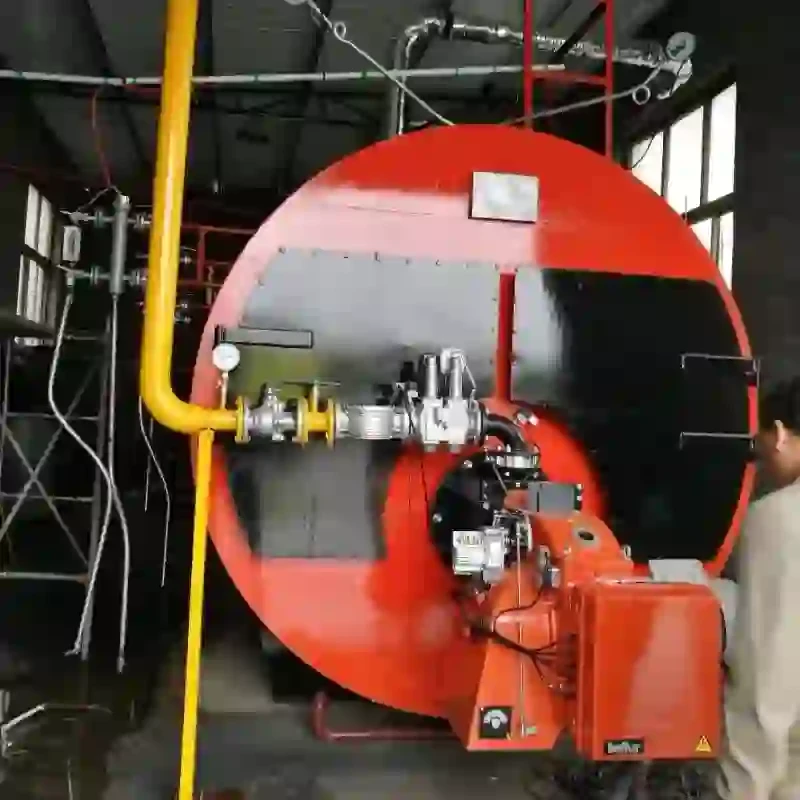
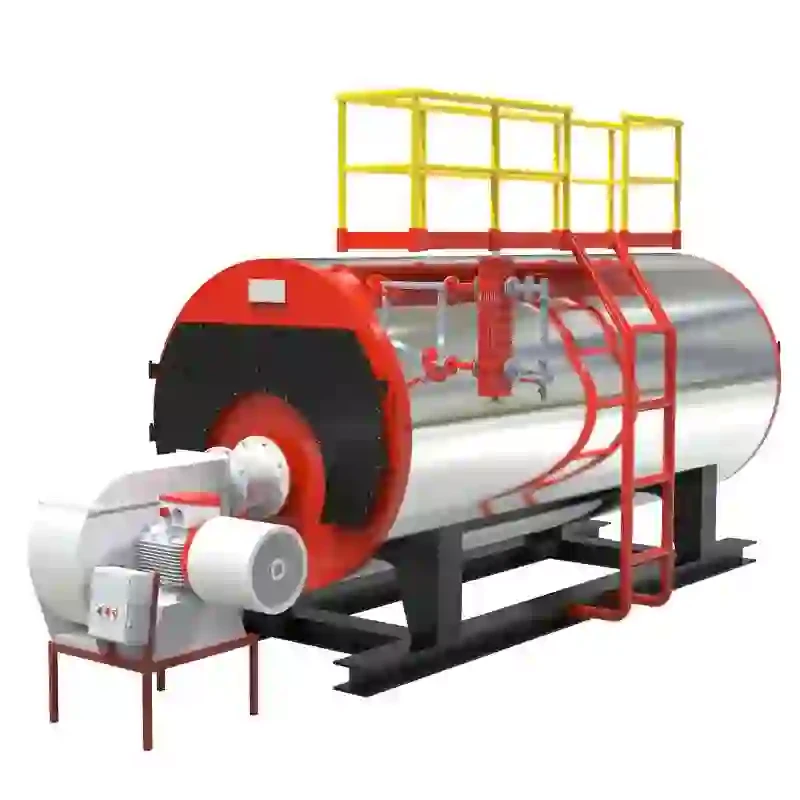
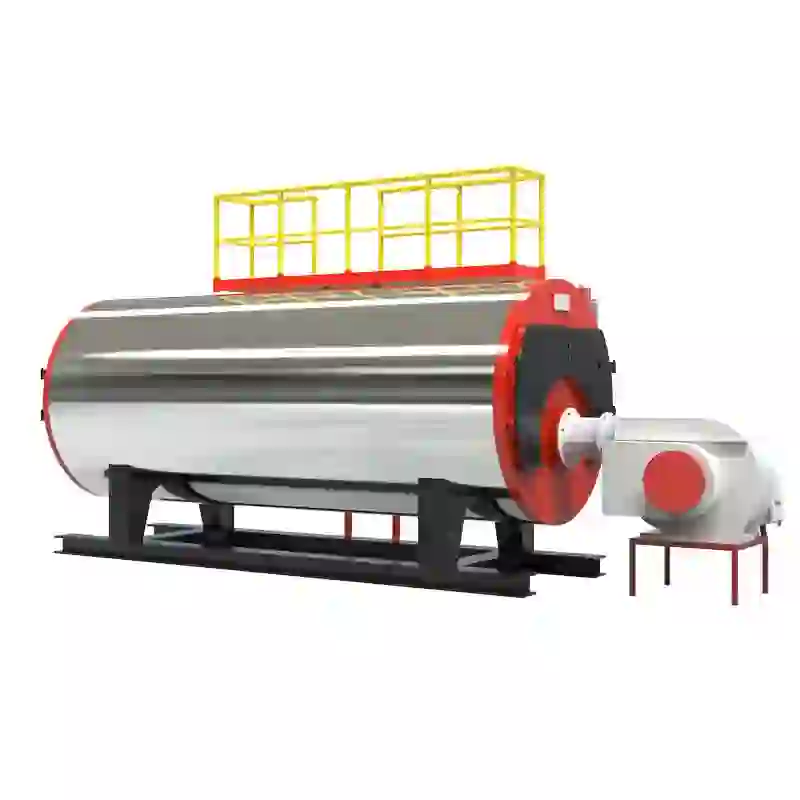
Simply put, an oil fired hot water boiler is a heating system that burns oil as fuel to heat water, which is then circulated through pipes to provide warmth or process heat. Unlike steam boilers, these generate hot water rather than steam. They are common in buildings, factories, and facilities where centralized hot water is needed.
The reason they matter goes beyond just warmth. Industries depend on consistent temperatures — think chemical manufacturing, food processing, or hospitals. Plus, in humanitarian contexts like refugee camps, these boilers can provide reliable hot water where electricity or gas supplies are unavailable.
Key Features & Core Components
Durability
Oil fired hot water boilers are typically built with steel or cast iron, materials chosen for their long service life and resistance to wear. This durability means fewer interruptions in service — vital for critical facilities.
Fuel Efficiency
Modern designs focus on maximizing oil combustion efficiency. Features like preheated air intake, advanced burner tech, and improved insulation help customers lower fuel costs and reduce emissions.
Scalability & Capacity
These boilers come in a range of sizes — from small units suitable for a single building to large systems powering factory complexes. This scalability means they can be chosen precisely for a customer's requirements.
Safety & Compliance
Safety features such as flame sensors, pressure relief valves, and automated shut-offs ensure reliable and safe operation. Compliance with international standards like ISO 9001 enhances trust.
Ease of Maintenance
Access panels, modular burner designs, and diagnostic controls simplify upkeep, often translating to lower lifetime costs and less downtime.
Specifications Table: Example Oil Fired Hot Water Boiler
| Specification | Details |
|---|---|
| Fuel Type | Diesel / Light Fuel Oil |
| Capacity | 500 kW to 10,000 kW |
| Efficiency | Up to 92% |
| Operating Pressure | Up to 10 bar |
| Materials | Steel Shell, Cast Iron Sections |
| Control System | PLC-Based with Remote Monitoring |
Mini takeaway: Oil fired hot water boilers blend traditional robust materials with modern controls and efficiency, striking a balance of reliability and cost-effectiveness.
Global Applications & Use Cases
The applications are diverse, which frankly makes this technology rather fascinating. In northern Europe, you find many municipal district heating systems powered by these boilers, often paired with renewable sources for hybrid setups. In industrial zones across India and Southeast Asia, oil fired hot water boilers serve factories producing textiles, chemicals, and food products.
Oddly enough, they also play a role in humanitarian relief. In post-disaster zones where electric grids are down, oil-fired boilers ensure hot water for hygiene and medical sanitation—such as in mobile clinics and temporary shelters.
Furthermore, remote mining or oil extraction sites in harsh climates depend on them to maintain personnel comfort and process integrity.
Vendor Comparison Table: Typical Market Leaders
| Vendor | Capacity Range (kW) | Efficiency | Warranty | Notable Feature |
|---|---|---|---|---|
| HZ Boiler | 500 - 10,000 | Up to 92% | 3 years | Remote monitoring system |
| X Energy | 300 - 8,000 | 90% | 2 years | Compact design for tight spaces |
| GlobalHeat | 600 - 12,000 | 91% | 3 years | Customizable fuel options |
Advantages & Long-Term Value
- Cost Savings: Despite oil price volatility, oil fired hot water boilers often show lower capital costs versus other fuel options. Maintenance is straightforward, too.
- Reliability: In critical settings, the ability to function independently of electricity grids or natural gas pipelines offers peace of mind.
- Environmental Impact: Newer burner technologies reduce waste and emissions markedly, aligning with stricter regulations.
- Social Value: Providing warmth and hot water is more than a utility—it supports health, dignity, and workplace productivity.
So yes, they’re not just workhorses; they quietly empower communities and industries in a tangible way.
Future Trends & Innovations
Looking ahead, it’s clear that oil fired hot water boilers will continue to evolve. Emerging ideas include hybrid systems that integrate biofuels with traditional oil for cleaner combustion. Digital control systems now offer predictive maintenance — I noticed some vendors even support smartphone apps for system monitoring!
Sustainability drives many innovations. Some manufacturers are exploring carbon capture and improved insulation materials to push efficiency towards 95%+. Coupled with global energy policies, these features could make such boilers still relevant even in a greener future.
Challenges & Solutions
No technology is without hurdles. Oil-fired boilers contend with fluctuating fuel prices and stricter emission limits. There’s also competition from gas-fired and electric boilers, which may seem cleaner or cheaper.
Nonetheless, advances in burner efficiency and automation are pushing the envelopes. Meanwhile, flexible fuel compatibility—like switching between diesel and bio-oils—provides operational security. For many users, retrofitting boilers with emission control devices solves compliance issues without costly replacement.
FAQ: Frequently Asked Questions About Oil Fired Hot Water Boilers for Sale
Q1: How do I choose the right size oil fired hot water boiler for my building?
The size depends largely on your building’s heating load, which includes factors like square footage, insulation, and climate. Consulting with an HVAC professional or vendor helps. Oversizing wastes fuel, undersizing leads to poor heating.
Q2: Are oil fired boilers environmentally friendly?
Modern designs meet strict emissions standards with efficient combustion and pollution controls. While oil combustion emits CO₂, advances in burner tech and fuel switching improve environmental impact.
Q3: What maintenance is needed for oil fired hot water boilers?
Regular cleaning of burners, inspection of controls, and fuel system checks are essential. Many systems now offer digital diagnostics to simplify these tasks.
Q4: Can these boilers be used in emergency or remote locations?
Absolutely. Their independence from electric grids and gas pipelines make them great for remote industrial sites or disaster relief. Just ensure safe fuel storage is arranged.
Q5: Where can I buy reliable oil fired hot water boilers?
There are many global and regional suppliers. It’s best to seek vendors who offer local support, strong warranties, and customization options—like those listed in our comparison table above.
Conclusion: Why Investing in an Oil Fired Hot Water Boiler Makes Sense
To wrap it up, the oil fired hot water boiler for sale market remains strong because these systems combine practicality, reliability, and evolving innovation. They address real-world needs for heating and process water across industries and geographies.
Whether you’re running a factory in a chilly climate or supporting a relief mission off the grid, looking into well-designed oil fired hot water boilers is worthwhile. Plus, with technology advancing, you’re not locked into outdated systems—modern boilers can be surprisingly green and smart.
Curious? Explore the latest offerings at oil fired hot water boiler for sale to find options tailored to your needs.
Mini takeaway: Oil fired hot water boilers continue to blend tradition with innovation, fueling comfort and industry in a changing energy landscape.
References:
-
Industrial Natural Gas Steam Boiler High Efficiency System Guide
NewsApr.16,2026
-
Maximize Industrial Productivity with High Efficiency Gas Steam Boiler
NewsApr.09,2026
-
Comprehensive Guide to Industrial Steam Heater Systems and Applications
NewsApr.07,2026
-
Comprehensive Guide to Low Pressure Steam Boilers and Their Applications
NewsApr.04,2026
-
Understanding High Pressure Steam Boiler Technology and Industrial Applications
NewsMar.31,2026
-
Comprehensive Guide to High Efficiency Steam Boiler Systems and Applications
NewsMar.28,2026


 English
  Arabic
  Bengali
  French
  German
  Hindi
Hindi  Indonesian
  Kazakh
  Khmer
Khmer  Korean
  Kyrgyz
  Lao
Lao  Latin
Latin  Mongolian
  Nepali
  Russian
  Turkish
  Turkmen
  Uzbek
Uzbek 


