




Jan . 27, 2026 17:45 Back to list
Comprehensive Guide to Steam Boiler Heating Systems and Their Applications
Steam Boiler Heating System: A Comprehensive Guide
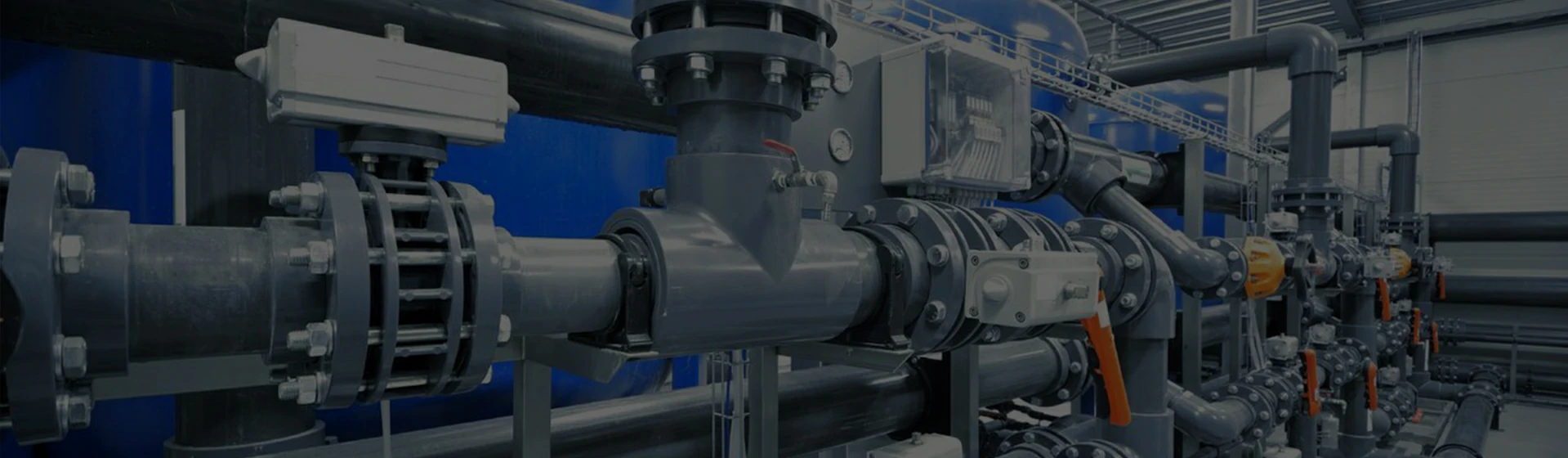
A steam boiler heating system is a robust and efficient solution for providing heat in a variety of applications, from industrial processes to district heating. This article will explore the benefits, components, types, and applications of steam boiler heating systems, providing a thorough understanding for those considering this technology. We will delve into how these systems operate, their advantages over other heating methods, and key factors to consider when selecting the right boiler for your needs.
Understanding the Core Components of a Steam Boiler System
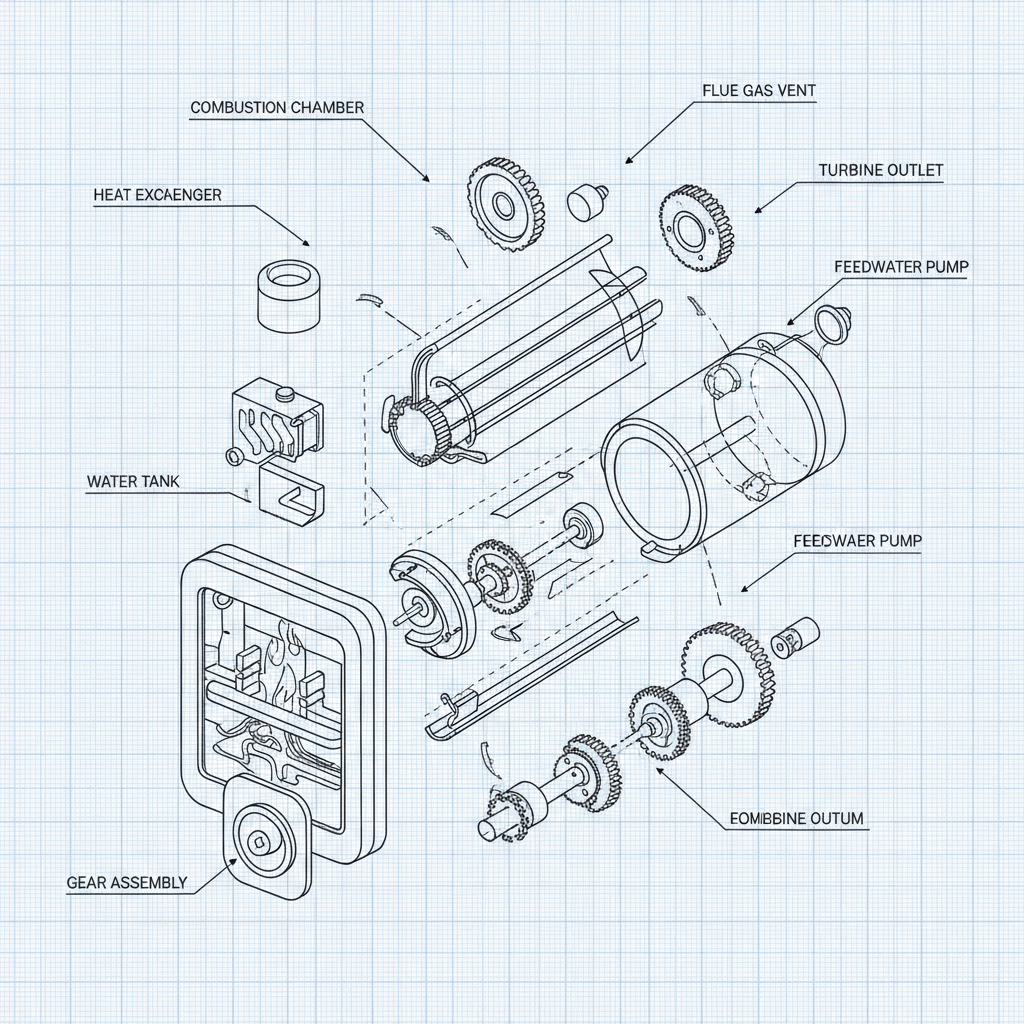
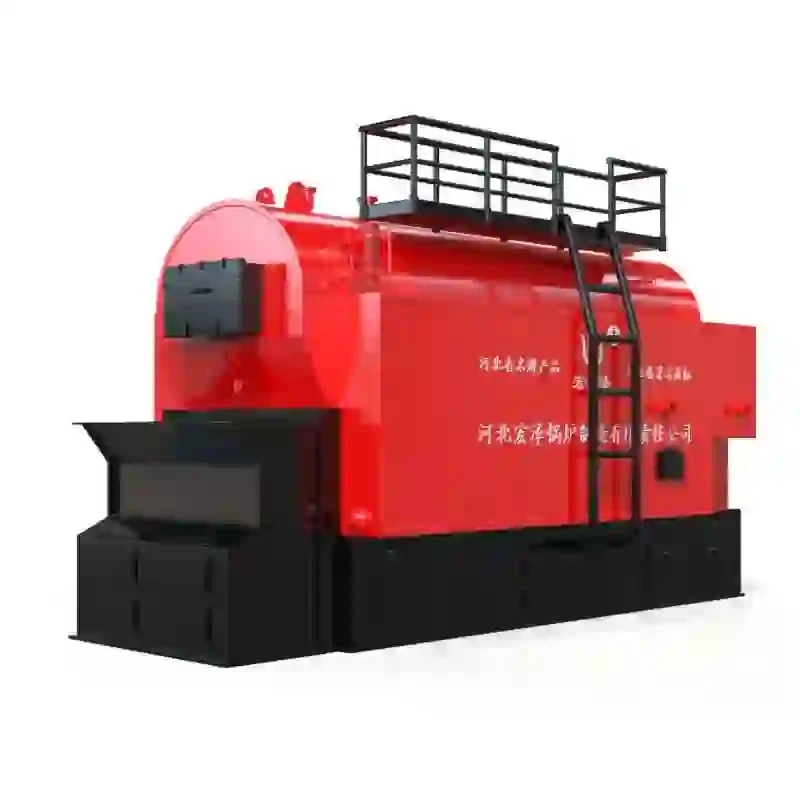
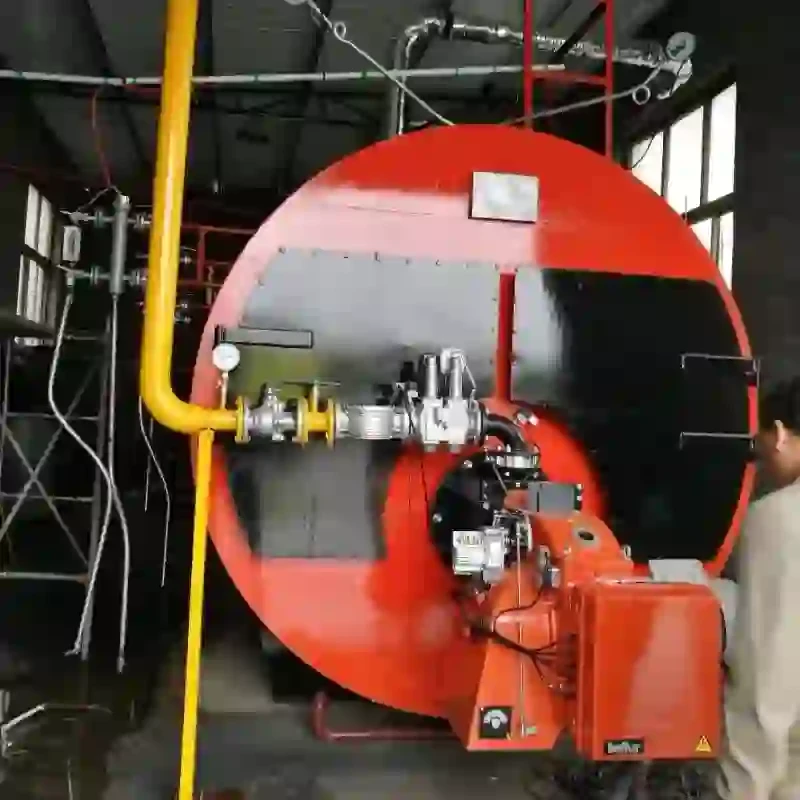
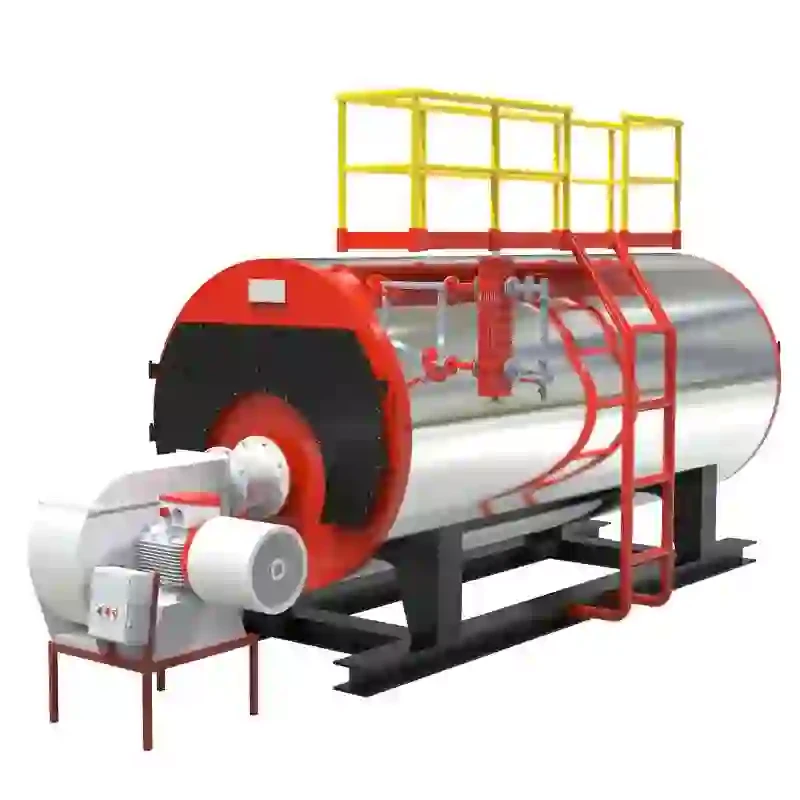
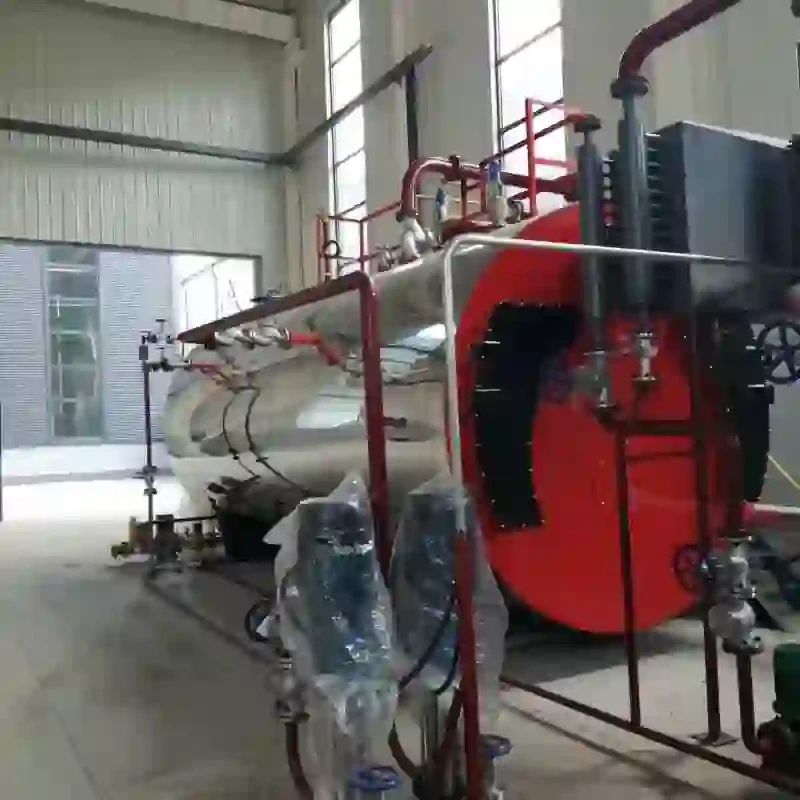
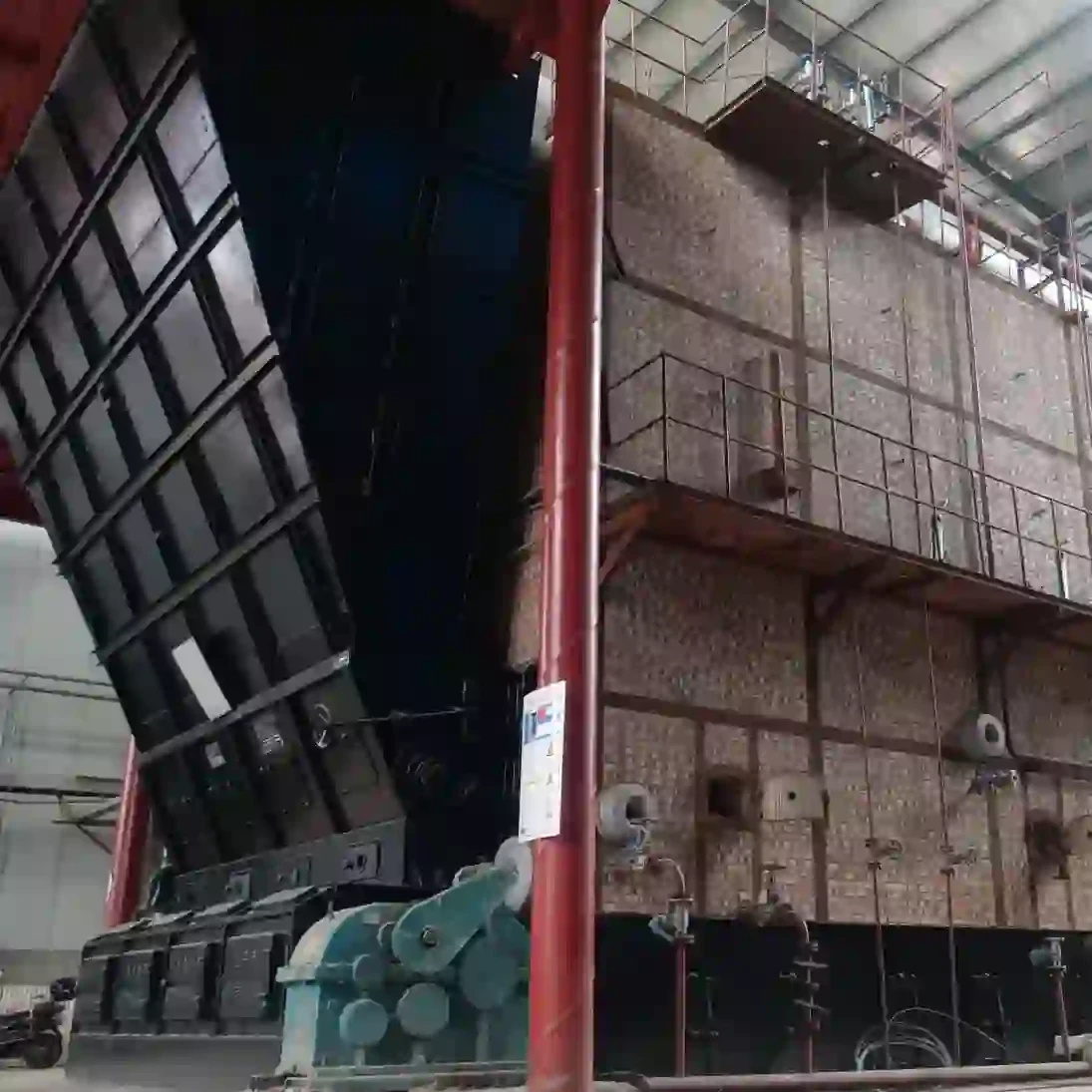
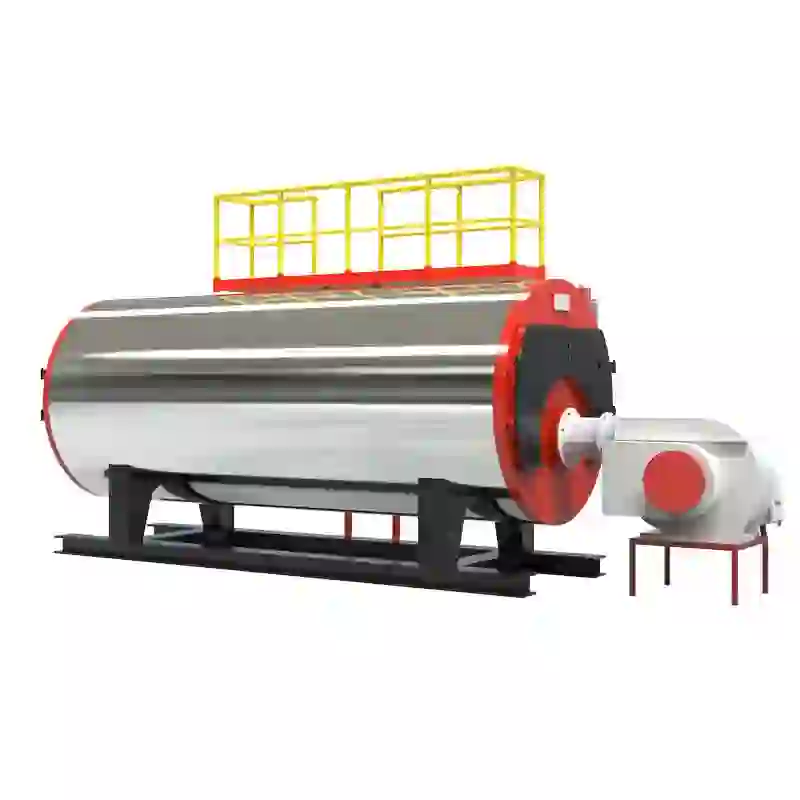
A steam boiler system isn't just the boiler itself; it's a network of interconnected components working in harmony. The core components include the boiler drum (where water is heated and steam is generated), the furnace (where fuel is burned to provide heat), the heat exchanger (transfers heat from combustion gases to the water), the steam piping (delivers steam to the point of use), and the condensate return system (returns condensed steam back to the boiler). Efficient operation relies on the proper functioning of each element. Furthermore, safety devices like pressure relief valves and water level controls are essential for safe operation. For more information on our boilers, visit HZ Steam Boiler.
Key Highlights: Efficient heat transfer, reliable operation, and adaptable to various fuel sources.
Types of Steam Boilers: Choosing the Right Fit
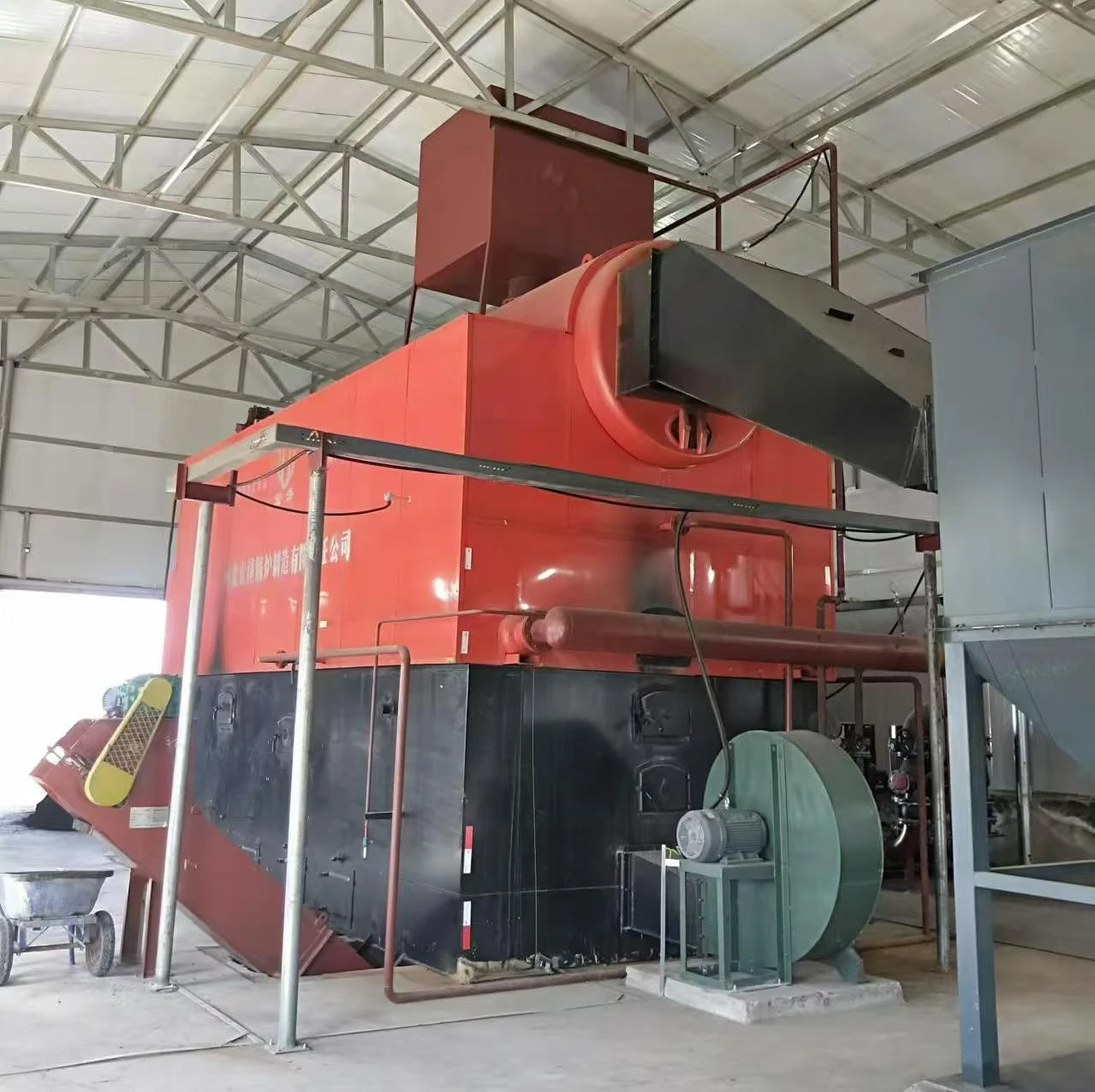
Several types of steam boilers are available, each suited to different applications and demands. Fire-tube boilers are known for their simplicity and are often used in smaller applications. Water-tube boilers, on the other hand, are ideal for high-pressure, high-capacity steam generation common in power plants and large industrial facilities. Condensing boilers recover heat from exhaust gases, increasing efficiency. Electric boilers offer a clean and quiet alternative, suitable for applications where access to fossil fuels is limited. Selecting the appropriate boiler type hinges on factors like steam demand, pressure requirements, fuel availability, and budget considerations.
Boiler Type Comparison:
• Fire-Tube: Simpler, lower cost, suitable for smaller applications.
• Water-Tube: High pressure, high capacity, ideal for large industries.
• Condensing: High efficiency, recovers waste heat.
• Electric: Clean, quiet, limited fuel access.
Steam Boiler Heating System Applications: Diverse and Powerful
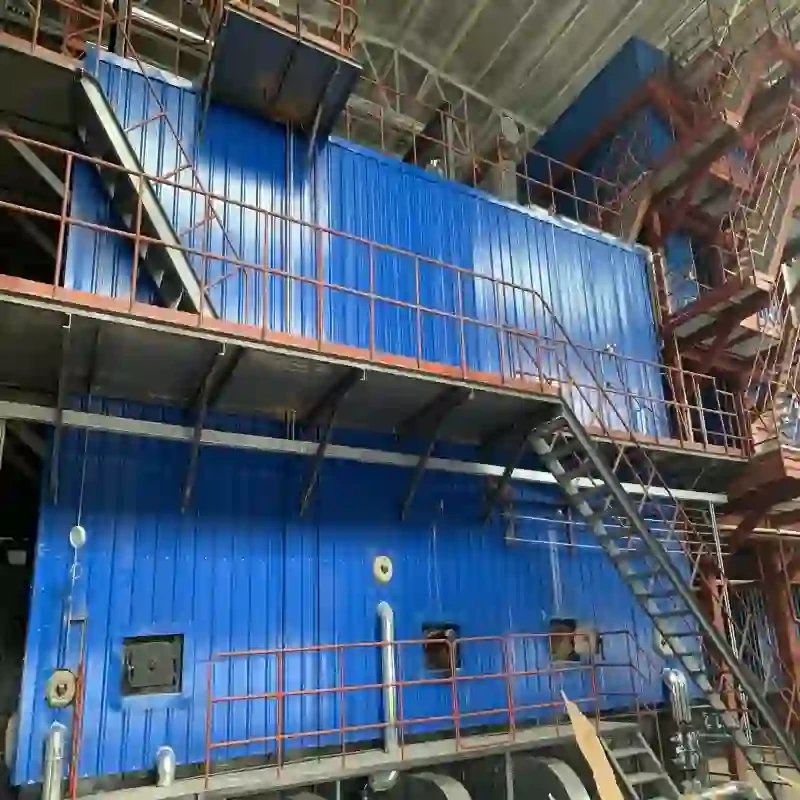
The applications of steam boiler heating systems are remarkably diverse. They are widely used in power generation plants, providing steam to drive turbines and generate electricity. Industrial processes, such as food processing, chemical manufacturing, and textile production, often rely on steam for heating, sterilization, and other critical operations. District heating systems distribute steam to provide heat to multiple buildings in urban areas. Steam boilers also find applications in heating, ventilation, and air conditioning (HVAC) systems in large commercial buildings and institutions. Their ability to deliver high-temperature heat efficiently makes them indispensable in numerous industries.
Advantages of Steam Boiler Heating Systems Over Alternatives
Compared to other heating systems, such as electric resistance heating or gas furnaces, steam boiler systems offer several advantages. They provide a more consistent and uniform heat distribution. Steam’s high latent heat capacity allows it to efficiently transfer large amounts of heat with minimal temperature loss. Steam boilers can utilize a variety of fuel sources, including natural gas, oil, coal, and biomass. They are also known for their longevity and reliability, with a lifespan of several decades with proper maintenance. Ultimately, choosing a steam boiler often leads to lower long-term operating costs, especially in high-demand applications.
Maintenance and Efficiency Considerations for Steam Boilers
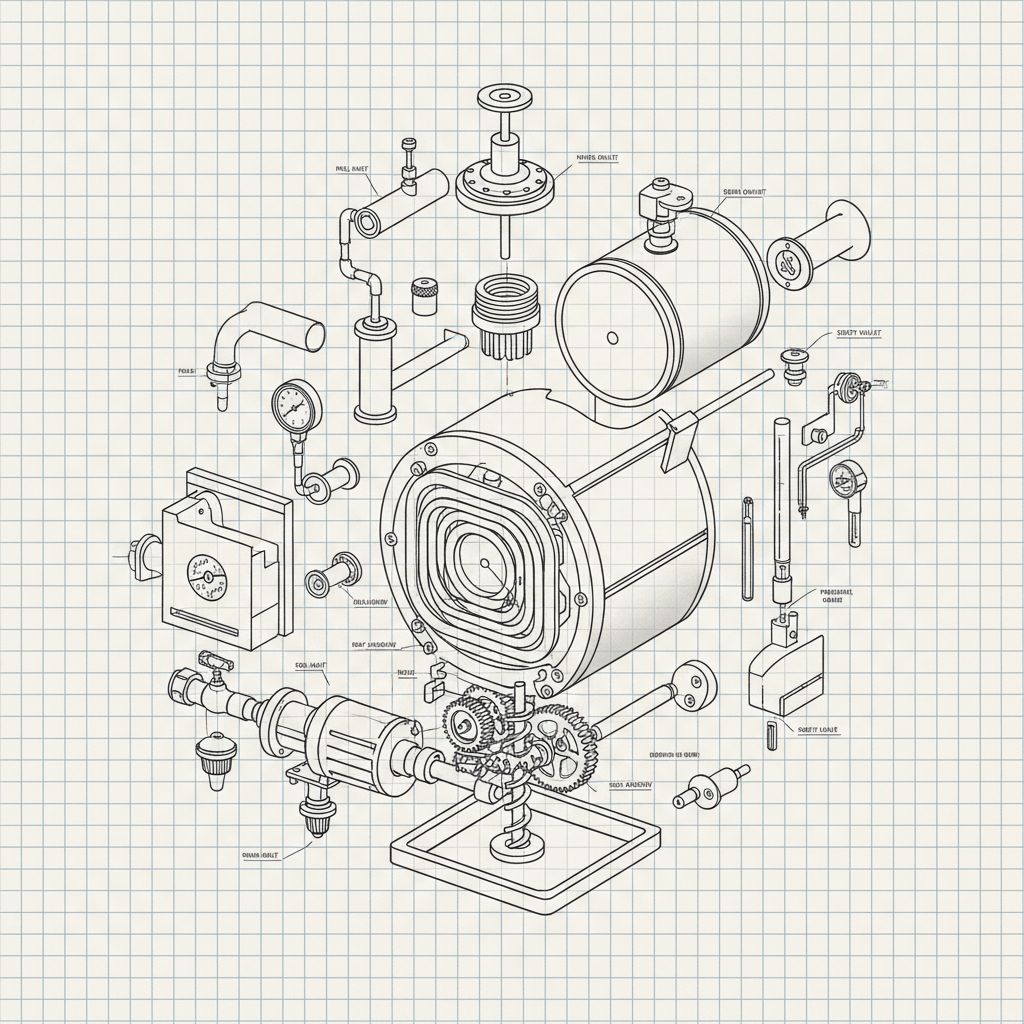
Maintaining a steam boiler system is crucial for optimal performance and longevity. Regular inspections, water treatment to prevent scale buildup, and burner maintenance are essential. Blowdown procedures remove accumulated sediment from the boiler. Insulating steam pipes reduces heat loss and improves efficiency. Investing in a modern control system can optimize boiler operation and reduce fuel consumption. HZ Steam Boiler offers comprehensive maintenance services to ensure your system operates at peak efficiency. Explore our services at HZ Steam Boiler’s website.
Conclusion: A Powerful and Reliable Heating Solution
A steam boiler heating system represents a powerful and reliable solution for a wide range of heating applications. From industrial processes to district heating, these systems offer efficiency, versatility, and longevity. By understanding the core components, different types, and maintenance requirements, you can make an informed decision and ensure your system delivers optimal performance for years to come.
Frequently Asked Questions (FAQs)
What is the typical efficiency of a modern steam boiler?
The efficiency of a modern steam boiler can range from 80% to over 95%, depending on the type and technology used. Condensing boilers typically achieve the highest efficiencies by recovering heat from exhaust gases. Factors such as fuel type, boiler size, and maintenance practices also influence efficiency. Regular maintenance and proper water treatment are critical for maintaining peak efficiency. HZ Steam Boiler offers boilers designed for maximum efficiency and minimal environmental impact.
What fuel sources can be used in a steam boiler?
Steam boilers are remarkably versatile in terms of fuel sources. Common options include natural gas, fuel oil, propane, coal, and biomass (wood chips, pellets, agricultural waste). Electric boilers are also available. The choice of fuel depends on factors such as cost, availability, and environmental considerations. HZ Steam Boiler offers boilers designed to operate with a variety of fuels, allowing you to choose the most cost-effective and sustainable option for your needs.
How often should a steam boiler be inspected?
A steam boiler should be inspected at least annually by a qualified professional. This inspection should include a thorough examination of the boiler’s components, including the pressure vessel, safety valves, burner, and controls. Regular inspections help identify potential problems before they lead to costly repairs or safety hazards. HZ Steam Boiler provides comprehensive inspection and maintenance services to ensure the safe and reliable operation of your boiler system.
What is the importance of water treatment in a steam boiler system?
Water treatment is critical for preventing scale buildup, corrosion, and other problems that can reduce boiler efficiency and shorten its lifespan. Impurities in the water can deposit on heat transfer surfaces, reducing heat transfer and increasing fuel consumption. Corrosion can weaken the boiler’s structure and lead to leaks. Proper water treatment involves removing impurities, controlling pH levels, and adding chemicals to prevent scale and corrosion. Contact HZ Steam Boiler to find out more about water treatment solutions.
-
Industrial Natural Gas Steam Boiler High Efficiency System Guide
NewsApr.16,2026
-
Maximize Industrial Productivity with High Efficiency Gas Steam Boiler
NewsApr.09,2026
-
Comprehensive Guide to Industrial Steam Heater Systems and Applications
NewsApr.07,2026
-
Comprehensive Guide to Low Pressure Steam Boilers and Their Applications
NewsApr.04,2026
-
Understanding High Pressure Steam Boiler Technology and Industrial Applications
NewsMar.31,2026
-
Comprehensive Guide to High Efficiency Steam Boiler Systems and Applications
NewsMar.28,2026


 English
  Arabic
  Bengali
  French
  German
  Hindi
Hindi  Indonesian
  Kazakh
  Khmer
Khmer  Korean
  Kyrgyz
  Lao
Lao  Latin
Latin  Mongolian
  Nepali
  Russian
  Turkish
  Turkmen
  Uzbek
Uzbek 


